
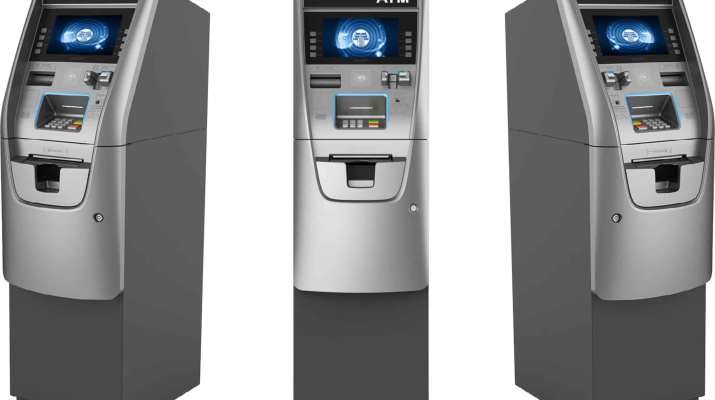
Starting your own ATM machines business can be an exciting venture that opens the door to various financial opportunities. This business model allows entrepreneurs to earn profit through transaction fees, making it a potentially lucrative investment. By employing effective ATM placement strategies and maintaining strong ATM management practices, operators can maximize their returns. In this guide, we’ll outline essential steps on how to operate ATMs efficiently, helping you navigate through setup, funding, and marketing your services. With the right approach, launching your ATM machine business could lead to significant earnings and sustainable growth.
The world of automated teller machines (ATMs) presents a unique business proposition for aspiring entrepreneurs seeking to tap into the finance sector. Engaging in the ATM operations sector enables individuals to generate income through transaction fees while also offering convenience to customers. By understanding the dynamics of the automated banking system, including strategic machine placements and effective operational methods, business owners can gain a competitive edge. This guide aims to provide insights into starting an ATM venture, addressing key considerations like funding sources and compliance with regulatory requirements. Embracing this opportunity paves the way for a rewarding and profitable enterprise.
Applying for a merchant account is an essential step for businesses looking to accept credit and debit card payments. The first step in the application process involves choosing the right payment processor that aligns with your business needs. Before starting the application, it’s crucial to gather the necessary documentation, which typically includes business registration details, tax identification number, and bank account information. Some processors may also require business financial statements, a copy of your driver’s license, or a voided check. Once you have all the required documents, you can usually fill out an online application or request a paper application from your selected provider.
After submitting your application, the processing organization will review your information to assess your business’s risk level and creditworthiness. This step can take anywhere from a few hours to several days, depending on the processor. If approved, you’ll receive your merchant account details, which will include information on payment processing rates, transaction fees, and other essential terms. It’s important to carefully review all terms before signing the contract. Once you have your merchant account set up, you can start accepting payments, but don’t forget to integrate the processing system with your point-of-sale software or e-commerce site. For more detailed information on specific requirements and to find a processor that fits your needs, visit websites that compare merchant services or consult directly with reputable payment processing companies.
Understanding the ATM Business Model
The ATM business model is a straightforward yet potentially lucrative avenue within the financial services industry. At its core, operators earn revenue through transaction fees imposed on users, which can range from $1 to $3 each time a cardholder uses the machine. The viability of this model greatly hinges on strategic placement; more foot traffic means higher transactions and thus, more income. Effective ATM placement strategies should prioritize high-density areas like shopping centers, universities, or event venues where potential customers require quick cash access. This ensures the ATM operates in a busy environment conducive to frequent use.
Moreover, understanding the business model involves recognizing the different revenue-sharing arrangements one can engage in with location owners. These agreements often dictate the percentage of transaction fees that operators and hosting businesses will split, making negotiation skills crucial. An operator must assess optimal locations not only for their foot traffic but also for favorable financial terms with the property owner. Hence, comprehending the nuances of the ATM business model equips aspiring entrepreneurs with the necessary insights to maximize profitability.
Creating a Comprehensive Business Plan for Your ATM Venture
A robust business plan serves as the foundation for any successful ATM business. This plan should articulate a clear vision regarding target markets, expected revenue, start-up costs, and marketing strategies. Identifying target markets includes analyzing demographics and consumer behaviors to find locations that will optimize transaction volumes. Such detailed analysis significantly influences the overall revenue expectations and plays a pivotal role in attracting potential investors who want certainty in financial projections.
Additionally, a comprehensive plan details the initial and ongoing costs to establish and maintain your ATM fleet. This includes not only the purchase or leasing costs of the machines themselves but also expenses related to maintenance, insurance, and operational logistics. Furthermore, this document should outline well-defined marketing strategies, such as partnerships with local merchants to enhance visibility and support for the ATMs. By organizing these variables into a cohesive plan, new operators can effectively chart a path towards a thriving ATM business.
Effective ATM Placement Strategies to Maximize Profitability
The success of your ATM business largely hinges on strategic placement of the machines. Understanding local consumer behavior and foot traffic patterns is crucial when selecting sites that could yield the highest transaction rates. For instance, ATMs placed near bars, restaurants, and entertainment venues tend to generate higher volumes due to the cash needs of patrons. Implementing effective ATM placement strategies requires market research to identify optimal locations that align with peak consumer activity.
In addition to assessing foot traffic, negotiating favorable agreements with business owners at targeted locations can significantly enhance revenue potential. Establishing mutual benefits through revenue-sharing models not only provides additional cash flow but also solidifies relationships with local businesses. By leveraging the popularity and convenience of ATMs, operators can ensure that their machines are top-of-mind for consumers seeking cash access. Overall, implementing well-researched placement strategies is essential for maximizing profitability in the ATM business.
Marketing Your ATM Business for Maximum Visibility
Marketing is a critical component of building a successful ATM machines business. To create awareness, operators should invest in relationships with local businesses, which may host their machines. Through such partnerships, they can effectively promote their ATMs to the businesses’ customers. Strategies may include co-marketing opportunities where both businesses publicize the presence of the ATM, enhancing foot traffic and encouraging cash withdrawals.
Additionally, leveraging digital marketing avenues can greatly expand the reach of your ATM services. Utilizing social media platforms and local online ads will help inform potential customers about the availability of ATMs in their vicinity. Websites focusing on local news, blogs, and community boards can be excellent channels for advertising your services. Overall, a multi-faceted marketing approach that combines personal relationships with targeted online efforts will significantly enhance awareness and drive patronage to your ATM business.
| Key Aspect | Description |
|---|---|
| Understanding the ATM Business Model | ATM operators earn revenue through transaction fees, which vary by location and agreements with business owners. |
| Creating a Business Plan | Include target markets, revenue expectations, costs, and marketing strategies to secure investors and outline business direction. |
| Obtaining Funding | Expected initial investment is between $2,000 to $8,000 per ATM, requiring careful financial planning. |
| Choosing Your ATM Machines | Consider features, costs, and leasing options to determine which machines best fit your operational needs. |
| Compliance with Regulations | Familiarize yourself with legal requirements including permits and Anti-Money Laundering regulations. |
| Maintenance and Cash Management Plan | Establish a procedure for cash replenishment, regular maintenance, and customer service operations. |
| Marketing Your ATM Business | Utilize online marketing and local advertising to promote your ATM locations and services. |
| Monitoring and Optimizing Performance | Analyze transaction data to improve profitability through performance analysis and strategic adjustments. |
Summary
Starting an ATM machines business can be both rewarding and profitable, but it requires careful planning and strategic implementation. Understanding the business model is essential, as operators primarily earn through transaction fees. Developing a comprehensive business plan that outlines target markets, revenue expectations, and effective marketing strategies is crucial for obtaining funding and securing investors. Additionally, ensuring compliance with local regulations will prevent legal issues. A robust maintenance and cash management plan will help maintain the machines’ operational efficiency. By effectively marketing your services and monitoring performance regularly, you can optimize your business for maximum profitability and growth in the ATM machines industry.
Starting your own ATM machines business offers an exciting venture for aspiring entrepreneurs seeking to tap into the finance industry. With the ability to generate profits through transaction fees, ATM placement can serve as a significant revenue stream for both machine owners and retail locations hosting the ATMs. In this guide, we will explore the nuances of creating an ATM business, from fundamental ATM business models to effective placement strategies that maximize profitability. Understanding how to operate ATMs efficiently is crucial for success, enabling you to cater to customer needs while maintaining optimal cash flow. Whether you’re just beginning to consider this path or are ready to dive into the details, this comprehensive resource will empower you to navigate the exciting landscape of the ATM machines business.
The world of automatic teller machines (ATMs) presents an intriguing business opportunity for those interested in venturing into financial services. These cash-dispensing machines not only enhance customer convenience but also serve as a steady source of income through transaction fees. Establishing an ATM enterprise requires a solid grasp of the operational dynamics and strategic placement techniques to ensure your machines thrive in high-traffic locations. Understanding the intricacies of ATM management and developing effective service strategies will be pivotal in attracting and retaining a lucrative customer base. In this article, we will delve into essential steps and considerations for those looking to embark on a career in the ATM services industry.
Frequently Asked Questions
How do I start an ATM machines business effectively?
Starting an ATM machines business effectively requires a solid understanding of the ATM business model and a well-structured business plan. Begin by identifying target markets for your ATMs, estimating revenue based on transaction fees, and outlining costs for machine acquisition and maintenance. Secure funding, choose reliable ATM machines, and comply with local regulations to establish a legal foundation. Once operational, implement effective marketing strategies to promote your services.
What is the best way to choose ATM placement strategies?
Choosing effective ATM placement strategies involves securing high-traffic locations where potential customers require cash access. Factors to consider include visibility, accessibility, foot traffic, and partnerships with local businesses. Analyze transaction data periodically to assess performance and consider relocating underperforming ATMs to more profitable sites. Developing strong relationships with business owners can enhance placement opportunities.
What are essential steps for ATM management?
Essential steps for ATM management include establishing a maintenance schedule, planning for cash replenishment, and ensuring reliable customer service. Regularly check machine functionality and keep an adequate cash supply based on transaction volume. It is also vital to monitor performance metrics to optimize operations and adjust fees or strategies as necessary to maximize profitability.
What financing options are available for starting an ATM business?
Several financing options are available for starting an ATM business, including personal savings, traditional bank loans, or partnerships with investors. Depending on your initial budget, consider leasing ATM machines to reduce upfront costs. Additionally, explore business grants specifically available for entrepreneurial ventures in the finance sector to help finance your initial investments.
Starting an ATM business can be a lucrative venture, especially in areas where cash transactions are prevalent. The first step is to conduct thorough market research to identify lucrative locations with high foot traffic, such as shopping malls, convenience stores, or busy commercial areas. Additionally, it is important to determine the legal and regulatory requirements for operating ATMs in your chosen region, including permits and licenses. Once these factors are addressed, investing in reliable ATM equipment and establishing agreements with banks or financial institutions for cash replenishment is crucial to ensure a smooth operation.
The ATM business model typically involves purchasing or leasing ATM machines, placing them in strategic locations where they can generate high usage, and charging fees for withdrawals. Operators can earn money through transaction fees, typically shared with the location owner, as well as through the interchange fees charged by banks. Different models can apply, such as owning multiple ATMs or managing ATMs for other businesses. Additionally, continuous monitoring and data analysis can help in optimizing the performance and profitability of each machine.
Effective ATM placement strategies are crucial for maximizing profits. Operators should look for locations with limited access to banking services or areas where customers prefer to use cash, such as nightlife districts or remote locations. Collaborating with local businesses can also enhance placement strategies, as business owners may appreciate the convenience provided to their customers while earning a share of the transaction fees. Understanding the demographics of the area can also help identify ideal placement spots, ensuring that ATMs meet the needs of potential users.
ATM management involves not only the physical upkeep of the machines but also efficient cash management and monitoring of transactions. Regular maintenance checks are essential to ensure that machines are functional and secure. Operators must keep track of and manage cash levels to prevent outages and optimize the frequency of cash replenishment. Additionally, keeping abreast of the latest technology regarding security features is important to protect against fraud and theft, making ATM security a top priority in management practices.
Operating ATMs requires a sound understanding of how the machines work, including software and hardware maintenance, transaction processing, and customer service. Operators should be prepared to address user issues, such as transaction declines or machine errors, to maintain customer satisfaction. Additionally, familiarity with troubleshooting common problems and maintaining open communication with service providers is essential for ensuring that operations run smoothly. Proper training for staff involved in managing ATMs is also vital in ensuring efficient day-to-day operations.
Starting your own ATM machines business can be lucrative, but understanding the foundational elements of the model is essential for success. ATM operators earn revenue primarily through transaction fees charged to users whenever they withdraw cash. These fees, typically ranging from $2 to $5, vary based on the ATM’s location and the agreements you establish with property owners. Essentially, your income is driven by foot traffic to these ATMs, which makes selecting high-traffic and strategic locations a key part of your operational model.
A business plan is not merely a document; it’s your roadmap for the ATM venture. Within the plan, you should outline specific strategies for targeting markets that can yield the highest transaction volumes. Assess the potential revenue from expected usage rates and calculate the costs involved, from purchasing the machines to ongoing maintenance and cash replenishment. It’s also crucial to think about how you’ll market your services. This could mean forging partnerships with local businesses that may benefit from hosting an ATM on-site, creating a win-win scenario for both parties.
Funding your ATM business is a critical step, as the initial investment can be significant, often costing between $2,000 to $8,000 for each machine. It’s essential to evaluate different financing options, whether it be through personal savings, bank loans, or partnerships. Keeping in mind that you may need additional capital for ongoing operational expenses, a clear understanding of your budget based on the number of ATMs you plan to operate will help in making informed financial decisions.
When it comes to selecting the right ATM machines for your business, careful consideration of features and costs is paramount. You’ll want to invest in machines that not only meet the security standards but also cater to customer usability. Moreover, explore leasing options that can considerably reduce your upfront expenses, allowing you to allocate resources more flexibly as your business grows. Balancing the right features with cost-effective solutions can set a strong foundation for your operations.
Navigating the regulatory landscape is a necessary component of operating an ATM business. Familiarity with local and federal laws is crucial, not just for compliance, but also to avoid potential legal liabilities. This includes registering with legal authorities and adhering to regulations set forth by the Financial Crimes Enforcement Network (FinCEN). You may benefit from consulting with a legal expert who can provide tailored advice based on your business location and specific operational model.
Once your ATMs are placed and operational, implementing an effective maintenance and cash management plan is vital to ensure smooth operations. Regular cash replenishment, frequent maintenance checks, and a responsive customer service strategy are essential elements. You may choose to engage third-party services, which can streamline operations significantly and allow you to focus on business growth rather than routine tasks.
Marketing your ATM business is not only about visibility but also about establishing a solid reputation in your community. Engaging with local businesses and securing placement agreements for your ATMs can be a fruitful marketing strategy. Coupled with online marketing efforts, such as social media promotions and targeted ads, spreading the word about your services can attract a steady stream of customers. Ensure you also leverage local advertising methods to reach your audience effectively.
Constantly monitoring and optimizing the performance of your ATMs is essential for long-term success. Analyzing transaction data helps you identify profitable locations and evaluate the need for repositioning underperforming machines. Flexibility in adjusting transaction fees in response to market conditions can also enhance your profitability. Utilizing a performance monitoring approach will facilitate informed decision-making and enable you to capitalize on emerging opportunities in the ATM market.
In conclusion, embarking on the journey to start your own ATM machines business involves careful planning and execution. From understanding the intricacies of the ATM business model and formulating a solid business plan, to navigating through regulations and implementing effective marketing strategies, each step is fundamental to building a successful venture. Staying updated with industry trends and adapting to the evolving financial landscape will further bolster your chances of success.
