
Business funding with bad credit can seem like an insurmountable challenge for many entrepreneurs. With traditional lenders often viewing a low credit score as a major signal of risk, accessing loans or financing can feel nearly impossible. However, innovative funding options are emerging that cater specifically to those with less-than-perfect credit ratings. From alternative lenders who prioritize business potential over past credit mishaps to peer-to-peer lending platforms that connect you directly with individual investors, the landscape is constantly evolving. This guide will delve into essential tips and tricks for securing the necessary financing, proving that a bad credit history doesn’t have to define your entrepreneurial journey.
When exploring ways to finance your business despite unfavorable credit history, it’s important to consider various avenues beyond conventional lending. Entrepreneurs struggling with credit should look into alternative financing solutions that can provide access to necessary capital without the harsh scrutiny of traditional banks. Options such as community-based grants, peer-funded support, and nurturing relationships with local financial institutions present unique opportunities for funding. By seeking out these diverse financial pathways, business owners can discover the means to grow their ventures, even when standard credit requirements are not met. Understanding this broader funding landscape is crucial for anyone looking to overcome credit-related barriers.
Applying for a merchant account is a crucial step for businesses looking to process credit card payments and enhance their transaction capabilities. To begin the application process, one should first research various merchant service providers to find one that aligns with their business needs. It’s essential to compare fees, customer support, contract terms, and transaction limits. Once you’ve selected a provider, you typically need to fill out an application form that requires details such as your business name, address, and type of business entity. You may also be required to provide financial documents, such as bank statements or tax information, to verify your business’s financial health and legitimacy.
After submitting your application, the merchant service provider will review your information, which typically includes assessing your credit history and the nature of your business. If approved, you’ll receive the terms of the agreement and may need to set up your account with additional details, like integrating payment processing systems into your sales platform. To get started, I recommend visiting reliable online resources such as the Merchant Payments Ecosystem or PayNet to compare various providers, reviews, and user experiences. It’s also beneficial to consult with a financial advisor to align your selection with your business goals.
Business Funding with Bad Credit: Exploring Viable Options
Navigating the world of business funding can be particularly challenging for entrepreneurs dealing with bad credit. Traditional banks often impose strict requirements that can effectively shut out individuals with low credit scores. However, it’s crucial to understand that bad credit does not mean you have reached a dead end. Several viable options are available that cater specifically to those who might struggle with conventional funding sources. Alternative lenders, for instance, often have less rigid criteria, allowing more flexibility in their lending practices. This accommodates the unique needs of individuals looking to launch or expand their businesses despite their credit history.
In addition to alternative lenders, another promising avenue is peer-to-peer lending. This innovative funding model connects borrowers directly with individual investors rather than relying on banks. This form of lending not only tends to be more accessible but also promotes a sense of community among investors and borrowers. By presenting a solid business idea and demonstrating your potential for success, you may find interested supporters willing to take a risk on your venture. Moreover, exploring business grants through non-profits and government organizations can provide financial support without the need for repayment, making it an ideal option for those with credit challenges.
Understanding Alternative Lenders and Their Benefits
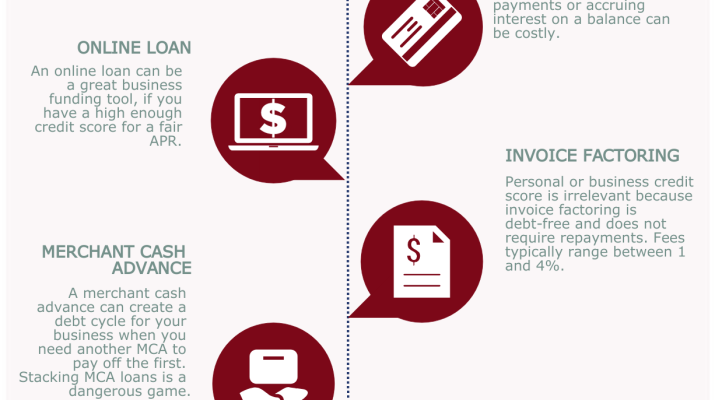
Alternative lenders operate under different business models than traditional banks, often focusing on metrics beyond just credit scores. They prioritize cash flow, sales history, and business potential over a borrower’s past credit performance. This shift creates opportunities for entrepreneurs that have faced credit issues but are otherwise viable business owners. For businesses that show promise but lack the ideal credit history, alternative lenders can offer a lifeline through options such as merchant cash advances or invoice financing, which allow businesses to leverage their existing sales and receivables for quicker access to cash.
Additionally, these alternative lending sources may also provide faster approval times and flexible repayment terms. A business owner might secure funds within days, compared to the lengthy wait times often experienced with traditional financial institutions. Through this approach, entrepreneurs can seize opportunities for growth and investment in their business without being held back by past credit choices. Moreover, developing a relationship with these lenders can lead to future funding opportunities as the business’s success becomes apparent and its financial situation improves.
Strategies for Strengthening Your Business Appeal
An enterprise’s business fundamentals play a critical role when seeking funding, especially for those with bad credit. A well-structured business plan that highlights your unique value proposition, detailed market analysis, and financial projections can impress potential lenders. This thorough documentation not only reflects professionalism but also showcases your serious commitment to making the business a success. Lenders want to see a thoughtful approach that conveys a path to profitability, and a robust plan can significantly uplift your funding prospects.
Additionally, providing collateral, whether in the form of business assets or property, can enhance your appeal to lenders. Collateral serves as a safety net for lenders, minimizing their risk by ensuring they have a form of recourse should the borrower default. This can make them more inclined to approve your funding application, even when factoring in a less-than-ideal credit score. Thus, both a strong business strategy and the inclusion of collateral can be effective tactics to bolster your funding requests.
Leveraging Community Resources for Business Growth
Community resources can play an indispensable role in finding funding opportunities, particularly for entrepreneurs facing credit hurdles. Small Business Development Centers (SBDCs) offer a range of services designed to assist small business owners. These centers can provide one-on-one consulting on various business aspects, including funding options, and may even have connections with organizations willing to invest in promising projects. Taking advantage of local networking opportunities positions entrepreneurs to engage with potential mentors and investors, which can lead to fruitful funding conversations.
Moreover, local chambers of commerce often host workshops and events aimed at helping small business owners navigate the complexities of obtaining funding. Engaging with these resources not only adds to your knowledge base but also expands your connections within the business community. By fostering relationships with these local organizations and attending events, you may unlock valuable insights and opportunities tailored to your specific location and industry. These community networks can dramatically enhance your understanding of available funding options and elevate your chances of success.
Grants and Competitions: Opportunistic Funding Avenues
Grants and competitions are often overlooked sources of funding, yet they can be a game-changer for businesses hampered by bad credit. Many foundations, non-profits, and government agencies offer grants specifically aimed at supporting entrepreneurs and fostering innovation. Unlike loans, grants do not require repayment, which is a significant advantage for business owners who are still building their creditworthiness. Researching local and national grant competitions can unveil opportunities that not only provide funds but also contribute valuable recognition and validation to your business.
Participating in business plan competitions can also yield cash prizes or resources that help propel your startup. These events often encourage entrepreneurs to refine their business ideas, strengthen their pitch, and gain invaluable feedback from industry experts. Success in these competitions can lead to not only financial support but also greater visibility within the business ecosystem, creating additional networking possibilities with potential investors or partners. Therefore, actively seeking out grants and competitions can serve as a crucial strategy for funding a business without the burdens of debt.
Building Relationships with Lenders for Long-Term Success
Forging strong relationships with lenders can become a vital asset when seeking business funding, particularly for those with a less-than-stellar credit score. Lenders often appreciate working with individuals they know personally and whom they trust. Regular communication and transparency about your business goals and challenges may help mitigate the concerns potential lenders have regarding your credit history. Establishing rapport can lead to more favorable terms and conditions, improving the chances of securing funding aligned with your business needs.
Moreover, local banks and credit unions might be more inclined to support community businesses, especially if they recognize you as a committed entrepreneur. Actively engaging with these institutions by attending local events or asking for informational meetings can help develop connections that may benefit your funding aspirations. Personalizing your approach and showing genuine interest in building a relationship can pave the way for long-term support and guidance as you navigate the funding landscape.
Crowdfunding as an Innovative Funding Solution
The rise of crowdfunding has opened new avenues for entrepreneurs to secure funding without the stringent requirements of traditional loans. Platforms like Kickstarter and GoFundMe allow business owners to pitch their ideas directly to the public. This approach capitalizes on community endorsement, where potential backers contribute financially in exchange for rewards or early access to products. Crowdfunding not only helps raise funds but can also serve as a marketing tool, gathering early supporters and validating business concepts in the eyes of future investors.
Furthermore, crowdfunding platforms place a lesser emphasis on credit scores compared to traditional financing. This democratization of funding gives everyone a fair chance to present their ideas to investors who are passionate about supporting innovative businesses. Even if you face barriers with conventional lenders, tapping into the collective interests of a crowd can yield funding and build a community around your business. As such, it is crucial for entrepreneurs to explore the possibilities each crowdfunding platform offers and leverage them as a means to financial support.
Strategies for Improving Your Credit Score
While searching for immediate funding solutions, entrepreneurs should consider taking steps to improve their credit scores. Simple actions, such as paying bills on time and reducing outstanding debts, can positively affect credit reports in a relatively short time frame. Regularly checking credit reports for inaccuracies and disputing errors can also lead to score improvement, allowing business owners to present a better financial image to lenders.
An improved credit score can significantly expand financing options and lead to better interest rates and loan terms. This fact reinforces the importance of being proactive in managing your credit profile, as a strong score can change the entire funding landscape for your business in the future. Therefore, entrepreneurs should not only focus on immediate financing needs but also on long-term credit health as they seek to establish their ventures.
Participation in Educational Workshops and Webinars
Engaging in webinars and workshops can provide valuable insights tailored specifically for entrepreneurs facing challenges such as bad credit. Many organizations specialize in offering educational sessions that cover a wide range of funding options, business management skills, and credit improvement strategies. These sessions are often led by experienced professionals who can provide personalized advice and practical solutions to unique challenges.
Furthermore, participating in such programs allows business owners to connect with peers who share similar experiences. Networking in these environments often leads to support systems that extend beyond the workshops, fostering a sense of community among entrepreneurs. This collaborative spirit can result in shared resources and opening doors to potential partnerships or funding opportunities in the future. Therefore, actively seeking out educational resources is a proactive step toward securing the necessary knowledge and skills to bolster your business funding efforts.
| Tip | Description |
|---|---|
| Understand Your Credit Situation | Assess your credit score, identify factors affecting it, and rectify any errors. |
| Consider Alternative Funding Sources | Explore peer-to-peer lending and alternative lenders who may focus on cash flow over credit scores. |
| Tighten Business Fundamentals | Develop a robust business plan and provide collateral to enhance funding chances. |
| Utilize Community Resources | Leverage local Small Business Development Centers for guidance on funding options. |
| Look Into Grants and Competitions | Research local grants and contests that can provide funding without credit score scrutiny. |
| Focus on Building Relationships with Lenders | Cultivate connections with local banks to improve the chances of favorable funding terms. |
| Explore Crowdfunding | Use platforms like Kickstarter or GoFundMe to raise funds with less stringent criteria. |
| Improve Your Credit Score | Work on paying down debts and managing credit wisely to improve your score. |
| Additional Resources | Participate in workshops or seek financial advisors who specialize in assisting small businesses. |
Summary
Securing business funding with bad credit can seem challenging, but with strategic planning and a solid approach, entrepreneurs can find viable financing options. Understanding your credit situation is crucial for addressing issues that may hinder funding opportunities. By considering alternative sources such as community organizations, crowdfunding, and nurturing relationships with lenders, you can create a supportive network for funding your business. Improving your credit score alongside these efforts can further enhance your chances of obtaining necessary financing. Whether utilizing local resources or exploring various funding methods, actionable strategies can empower small business owners to navigate their funding journey successfully.
Finding business funding with bad credit can seem nearly impossible, but it’s a challenge that many entrepreneurs face. Traditional banks often shy away from applicants with less-than-perfect credit scores, leaving them scrambling for alternative solutions. Fortunately, a wide array of funding options exists that cater specifically to those who need financial assistance despite having a rocky credit history. From peer-to-peer lending platforms that connect you directly with individual investors to business grants designed to support small startups, there are innovative strategies that can help you secure the capital you need. By exploring these avenues and understanding how to effectively improve your credit score, you can increase your chances of landing the right funding for your business aspirations.
When seeking financial backing for your enterprise, navigating the world of funding can be particularly daunting for individuals with flawed credit histories. Fortunately, alternatives abound for business owners looking to thrive despite credit challenges. Terms such as non-traditional financing, microloans, and community-based grants represent just a fraction of the flexible funding avenues available. By harnessing the power of alternative lenders and engaging in crowdfunding initiatives, entrepreneurs can unveil the potential for financial growth without the constraints imposed by conventional credit assessments. Embracing these creative financing strategies can effectively set the stage for long-term business success.
Frequently Asked Questions
What are the best funding options for businesses with bad credit?
When looking for business funding with bad credit, several options can help you secure financing. Consider alternative lenders like Kiva, Fundbox, and BlueVine that focus more on your business potential and cash flow than your credit score. Peer-to-peer lending platforms like LendingClub and Prosper allow you to borrow directly from individual investors, often with more lenient qualification criteria. Additionally, local business grants and competitions can provide necessary funding without the need for strict credit assessments.
When exploring funding options for your business, it is essential to evaluate multiple sources beyond traditional bank loans. Alternative lenders have emerged as a viable choice for entrepreneurs seeking faster access to capital. These lenders often have more flexible requirements compared to traditional banks, making it easier for businesses with varying financial backgrounds to obtain funding. Furthermore, their online platforms streamline the application process, allowing for quick approvals and disbursements.
Improving your credit score can significantly enhance your chances of securing favorable funding options. A higher credit score not only increases your eligibility for loans but can also lead to lower interest rates, which can save your business money in the long run. Simple strategies such as timely payment of bills, reducing outstanding debt, and regularly reviewing your credit report can contribute to elevating your score. Establishing a good credit history is essential for any business looking to attract investment or financing.
Peer-to-peer (P2P) lending has gained popularity as an alternative funding avenue that connects borrowers directly to individual investors, bypassing traditional financial institutions. This type of lending often offers competitive interest rates and has become a key resource for small businesses and startups that may struggle to secure loans from banks. With P2P lending, entrepreneurs can benefit from a more personalized approach, allowing them to pitch their business ideas directly to potential investors.
In addition to loans, business grants represent another form of funding that can significantly alleviate financial burdens without the obligation to repay. Many government and private organizations offer grants to support specific industries, innovative projects, or businesses owned by underrepresented groups. While the application process can be competitive, successfully securing a grant can provide a significant financial boost, enabling businesses to grow and innovate without the stress of debt repayments. Exploring local and national grant opportunities can be a wise strategy for entrepreneurs seeking to finance their ventures.
When it comes to pursuing business funding with bad credit, equipping yourself with knowledge about your credit situation is the first and most crucial step. By thoroughly analyzing your credit score and understanding the factors that influence it, you can better prepare for the funding process. Many lenders review your credit report closely, which reveals not only your repayment history but also any outstanding debts or late payments. This comprehension can empower you to rectify errors in your report, negotiate with creditors, or plan effective financial strategies before you reach out to potential lenders. Without this foundational knowledge, you risk facing rejection simply due to preventable issues in your credit history.
Exploring alternative financing options is vital for entrepreneurs with bad credit. Traditional banks may impose strict policies and often decline applications based on poor credit scores. However, platforms like peer-to-peer lending allow business owners to connect directly with individual investors or other businesses willing to lend money. These lenders are often more inclined to assess the viability of your business idea rather than solely relying on credit ratings. Moreover, alternative lenders, such as Kiva or Fundbox, may take into account your cash flow and overall business potential, thus offering more feasible terms for financing even for those with credit challenges.
To improve your chances of securing business funding, focus on reinforcing your business fundamentals. This includes developing a sound business plan that clearly outlines your business model, market potential, and projected financial outcomes. A well-structured plan can instill confidence in lenders, as it illustrates your preparedness and the likelihood of success. Furthermore, offering collateral can mitigate lenders’ risks by backing your loan with valuable assets. This strategy not only demonstrates your commitment to your business but significantly enhances your appeal as a borrower despite any past credit issues.
Utilizing local community resources can be an invaluable tactic for entrepreneurs seeking financial support. Small Business Development Centers (SBDCs) are often available to help with funding advice, offering tailored guidance that may include identifying grants or local financing options. Such organizations can connect you with industry experts and mentors who provide insights into modifying your business approach to better attract potential investors. Engaging with these resources can lead you to opportunities that you might not discover on your own, opening doors to funding sources beyond traditional lending.
Exploring grants and competitions tailored to business startups represents an excellent strategy for those struggling with bad credit. Many governmental and nonprofit organizations offer grants that do not require repayment, which can be lifesavers for emerging businesses. Additionally, business competitions frequently present cash prizes or investment opportunities for winning proposals. These options allow entrepreneurs to engage their creativity and passion without the apprehension of incurring more debt, providing a means of funding based more on innovation and business merit rather than credit history.
Building and maintaining relationships with local banks and credit unions is another prudent approach for obtaining funding with bad credit. These financial institutions may take a more personal view of your borrowing potential, focusing on your entrepreneurial spirit and integrity rather than solely your credit score. Regularly engaging with lenders can establish trust and offer insights into their lending criteria, potentially leading to more favorable loan terms or even alternative funding options than what is publicly advertised.
Crowdfunding has emerged as a popular alternative for aspiring business owners, allowing them to bypass traditional lending methods altogether. Platforms such as Kickstarter and GoFundMe provide avenues for entrepreneurs to present their business initiatives to a wide audience. Supporters contribute funds based on their interest in your idea and its impact, rather than assessing your creditworthiness. This social approach to financing can also foster community support and engagement, making it a powerful tool for those with bad credit.
Working on improving your credit score while seeking funding opens up further opportunities for better financing terms in the long run. Focus on responsible debt management strategies, including paying down existing obligations and correcting any inaccuracies in your credit report. While this may take time, taking proactive steps can positively influence your credit standing, allowing you to secure loans with more favorable rates and terms as your business grows. Remember that the journey to improved credit is just as important as finding immediate financing.
Lastly, engaging in additional educational workshops or consulting with financial advisors specializing in small businesses can provide tailor-made strategies best suited to your situation. These resources can help you navigate the intricacies of funding with bad credit and keep you informed about ever-evolving financial landscapes. By leveraging the wealth of information available to you, you can enhance your understanding of funding solutions and improve your chances of successfully launching your business.
