
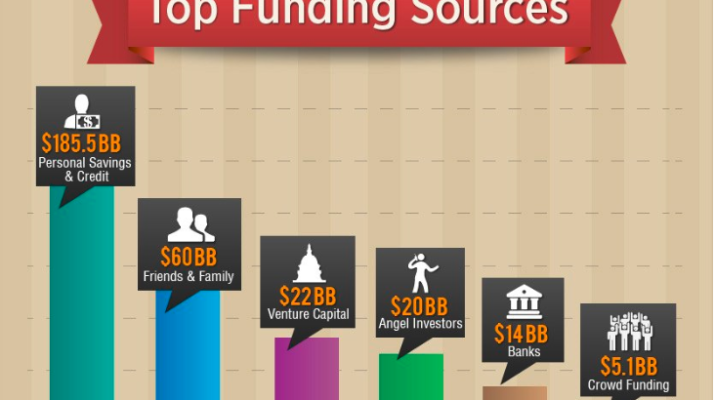
Starting a new business funding journey can be both thrilling and intimidating for aspiring entrepreneurs. The critical question often arises: how can I effectively navigate the landscape of new business funding? Securing adequate financial resources is pivotal for transforming innovative ideas into successful enterprises. In this guide, we will delve into various business funding options, from traditional loans to venture capital, and explore essential strategies to enhance your chances of obtaining the necessary capital. By mastering the art of financial management and leveraging tools to streamline the process, you can position your venture for growth and sustainability.
Embarking on the path to acquiring financial support for a nascent venture is an essential stepping stone for entrepreneurial success. Exploring avenues such as startup capital, angel investments, or crowdfunding can significantly influence the establishment of your business. It’s essential to prioritize showing potential investors your business’s viability through comprehensive planning and strategic financial management. Networking for funding opportunities and ensuring thorough investor due diligence are vital approaches to aligning your vision with the right financial resources. As we unpack these elements, you’ll discover how to create a robust foundation to foster your business’s growth and longevity.
Applying for a merchant account is a straightforward process, but it does require careful consideration of your business needs and the options available. Start by researching various payment processors and merchant service providers to find one that offers favorable terms, suitable equipment, and reliable customer support. Many providers allow you to complete the application online, where you’ll need to provide essential information such as your business structure, annual revenue, and the types of credit card transactions you wish to accept. Make sure to have your business documentation ready, including your business license, tax identification number, and bank account details, as these may be required during the application process.
Once you have chosen a provider, fill out the application accurately and thoroughly. After submission, the provider will review your application, which may involve a credit check and an assessment of your business model. Be prepared to answer questions about your sales volume, industry type, and any previous merchant account history. If approved, you will receive your merchant account details along with instructions for setting up payment processing on your website or in-store. If you have any queries or need assistance during the application process, do not hesitate to reach out directly to the provider’s customer support team, ensuring you select the right features and options for your business needs.
Exploring Business Funding Options: A Comprehensive Guide
To effectively navigate the world of new business funding, it is essential to explore various business funding options available to entrepreneurs today. Understanding these options can empower you to make informed decisions that align with your business goals. For instance, traditional loans are a common avenue where banks and credit unions offer necessary capital, though they often require a substantial credit history and collateral as assurance. On the other hand, venture capital presents an exciting opportunity for startups with high growth potential, as these investors not only provide funds but also bring invaluable mentorship and access to extensive industry networks.
Beyond these traditional methods, entrepreneurs can also consider crowdfunding as an innovative approach to securing financial backing. Platforms like Kickstarter and Indiegogo allow business owners to present their ideas to a broad audience, enabling them to gather funds from interested backers without losing equity in their project. Additionally, government grants can offer a pathway to funding without the obligation of repayment, albeit usually with strict eligibility requirements. By familiarizing yourself with these diverse funding sources, it becomes possible to align your financing choices with your strategic business vision.
Creating a Winning Business Plan: Keys to Funding Success
A well-structured business plan serves as a crucial tool in the quest for new business funding. This document outlines your business strategy, goals, and operational plan, acting as a roadmap for you and an appealing proposal for potential investors or lenders. Essential components of a winning business plan should include detailed financial projections that outline expected income, expenses, and profitability over a specified period. Clear and organized financial forecasts not only enhance your credibility but greatly bolster investor confidence in your venture’s viability.
In addition to financial projections, a comprehensive market analysis helps showcase your understanding of industry dynamics and competitive positioning. By identifying your target market, analyzing competition, and articulating your unique value proposition, you elevate your business plan and draw the attention of funders. A thorough business plan demonstrates preparedness and strategic foresight, factors that are highly valued in securing various forms of funding, and thereby setting the stage for your financial success.
Networking for Funding: Building Relationships that Matter
Networking plays a vital role in the fundraising landscape, offering entrepreneurs opportunities to connect with potential investors, mentors, and industry peers. Engaging in networking events and industry conferences allows you to build valuable relationships that can lead to funding opportunities previously unknown to you. Additionally, fostering connections within professional online platforms can expand your reach beyond your local area, putting you in touch with a broader spectrum of investors interested in innovative businesses.
Moreover, seeking mentorship is an invaluable strategy during the funding process. Experienced entrepreneurs can provide insights and guidance that refine your approach and pitch for funding. Not only do they help identify potential funding sources, but they also prepare you to navigate the challenges that may arise in the funding journey. Cultivating a robust network is essential for long-term success, as these relationships can evolve into partnerships and invaluable resources that support your business in the long run.
The Importance of Investor Due Diligence
When seeking new business funding, entrepreneurs must be prepared for rigorous investor due diligence. Investors perform this thorough examination to assess the viability and risks associated with your business. They evaluate your financial records, including income statements and cash flow forecasts, to determine the soundness of your financial position. Similarly, reviewing legal documents, contracts, and operational agreements helps them gauge your readiness and transparency as a business owner.
Being equipped for due diligence increases trust and credibility with potential investors. It’s critical to maintain organized records and be ready to answer questions about your business operations and financial health. This preparation not only enhances your chances of securing funding but also reflects your professionalism, reinforcing the investor’s confidence in your ability to manage their investment wisely.
Utilizing Financial Management Tools for Business Growth
Once you secure new business funding, effective financial management becomes paramount in ensuring that your resources are utilized strategically. Implementation of financial management tools or accounting software can provide clarity and structure to your financial oversight. These tools help track cash flow, set budgets, and prepare comprehensive financial reports, which are crucial insights for both internal management and communicating with external stakeholders.
By leveraging technology, you can make informed financial decisions that align with your business goals. Staying organized allows you to adjust expenditures and investments as needed, ultimately fostering a sustainable growth trajectory for your business. In today’s fast-paced business environment, employing reliable financial management tools demonstrates responsibility and can play a significant role in building ongoing investor trust.
The Role of Ongoing Support and Mentorship Post-Funding
Securing new business funding marks the beginning of your entrepreneurial journey, but it doesn’t end there; maintaining ongoing support and mentorship is essential to sustainably grow your business. After receiving funding, continued communication with your mentors and industry peers can provide guidance that aids in navigating operational challenges. These relationships can foster an environment of accountability and learning, enabling you to adapt your strategies as needed.
Furthermore, seeking feedback from experienced partners or advisors can refine your approach to utilizing funds effectively. Engaging in workshops, forums, or business groups can expand your support network and provide you with access to ongoing learning opportunities. By integrating continuous support into your entrepreneurial framework, you equip yourself with the tools and knowledge necessary for long-term success in your business venture.
| Key Point | Description |
|---|---|
| Understanding Your Funding Options | Exploring various sources such as traditional loans, venture capital, crowdfunding, and grants to align them with business goals. |
| Create a Solid Business Plan | Having a clear business plan with financial projections, market analysis, and a unique value proposition to attract investors. |
| Leverage Networking and Relationships | Building connections with industry peers and investors through events and online platforms to uncover funding opportunities. |
| Be Prepared for Due Diligence | Preparing for thorough evaluations of financial records, legal documents, and business risks by potential investors. |
| Utilize Financial Management Tools | Employing software for tracking cash flow, budgeting, and preparing financial reports to showcase responsibility to investors. |
| Consider Ongoing Support and Mentorship | Maintaining relationships with mentors and joining support networks to guide business operations after funding. |
Summary
New business funding is pivotal for entrepreneurs aiming to kickstart their ventures successfully. Understanding how to effectively leverage funding goes beyond simply acquiring capital; it requires a strategic approach that encompasses comprehensive planning and relationship-building. By exploring various funding options, creating a compelling business plan, and establishing strong networks, entrepreneurs can ensure they maximize their financial resources. Moreover, preparedness for due diligence and employing effective financial management tools further solidify a business’s foundations. Ultimately, continuous mentorship and support can guide businesses towards sustainable growth, making effective use of new business funding a critical factor in long-term success.
Navigating the world of new business funding can feel overwhelming for aspiring entrepreneurs, yet it holds the key to transforming innovative ideas into successful enterprises. Securing financial resources is essential, as it allows businesses to scale, hire talent, and meet operational needs effectively. Understanding different business funding options is the first step to making informed decisions about capital acquisition. Additionally, a well-crafted business plan is crucial for attracting potential investors and lenders, ensuring they see the value in your vision. Along the way, leveraging financial management tools and networking for funding will greatly enhance your ability to maximize the potential of your new business funding.
Launching a startup or a small business involves exploring various avenues for financial support, often referred to as startup capital or seed funding. Entrepreneurs must familiarize themselves with the array of financial resources available, including loans, equity financing, and crowdfunding. Developing a comprehensive business proposal is essential in presenting a persuasive case to funders and aligning their objectives with your business goals. It’s also vital to engage in discussions and establish connections within the industry, as these relationships can lead to invaluable insights and opportunities for financing. Effectively managing funds and demonstrating thorough planning through investor due diligence can significantly bolster your chances of attracting the necessary investment.
Frequently Asked Questions
What are the best business funding options for new entrepreneurs?
New entrepreneurs can explore a variety of business funding options including traditional bank loans, venture capital, crowdfunding platforms, and government grants. Each option caters to different business needs and stages. Traditional loans suit those with a solid credit score, while venture capital might appeal to startups with high growth potential, offering investment in exchange for equity. Crowdfunding allows you to raise money from the public without sacrificing ownership, and grants provide non-repayable funding for specific business purposes. Understanding these business funding options can help in aligning them with your goals.
When exploring business funding options, it’s important to consider a variety of sources including traditional loans, grants, angel investors, and crowdfunding platforms. Each option has its own set of requirements and implications for ownership and repayment. For instance, traditional bank loans generally require collateral and a solid credit history, while crowdfunding allows entrepreneurs to gain public interest and funding without significant financial obligations upfront. Understanding the nuances of each option can help business owners make informed decisions that align with their growth objectives.
Creating a business plan is an essential step for any entrepreneur looking to secure funding. A well-structured business plan outlines the business’s vision, mission, target market, competitive analysis, and financial projections. It serves as a roadmap for the business and is crucial for convincing potential investors of its viability. Investors want to see a clear plan on how their money will be used and the potential return on investment. Therefore, dedicating time to craft a comprehensive and realistic business plan can significantly enhance the chances of attracting funding.
Utilizing financial management tools can help entrepreneurs manage their startup costs effectively and track their funding expenditures. There are numerous tools available ranging from accounting software to budgeting apps that can assist in maintaining accurate financial records. These tools not only streamline administrative tasks but also provide valuable insights into cash flow, allowing business owners to make informed financial decisions. By effectively monitoring finances, businesses can remain financially healthy and better prepared for any funding opportunities that arise.
Networking for funding is an often underappreciated, yet powerful strategy for entrepreneurs. Engaging with industry peers, attending conferences, and joining entrepreneurial groups can help build relationships with potential investors. Networking can lead to valuable introductions and insights into funding opportunities that might not be widely advertised. By cultivating a strong professional network, entrepreneurs can enhance their visibility in the marketplace and create a solid support system that can advocate for their business during the funding process.
Investor due diligence is a critical phase that can significantly impact the funding process. Investors will conduct thorough evaluations of a business’s financial health, operational processes, and management team before committing capital. For entrepreneurs, preparing for due diligence means having all financial documents, legal frameworks, and operational strategies in place. This preparation demonstrates professionalism and builds investor confidence. Moreover, being proactive in addressing potential concerns can facilitate smoother negotiations, leading to successful funding outcomes.
When initiating the journey of starting a new business, securing the right funding is pivotal for both survival and growth. It is essential that aspiring entrepreneurs take the time to understand the various types of funding options available to them. Traditional loans from banks and credit unions are a common route, but they can be challenging to obtain without a solid credit history and collateral. On the other hand, venture capital may appeal to startups with high-growth potential, offering not only funds but also mentorship in return for equity. Alternatively, crowdfunding platforms have emerged as popular choices in recent years, allowing entrepreneurs to gain financial support directly from the public without the need to give up ownership. Each funding option carries its unique set of advantages and challenges, and entrepreneurs should consider their specific business model and goals when choosing the most suitable path.
A strong business plan serves as the foundation for attracting investors or securing bank loans. It should present a well-structured blueprint that outlines the business’s objectives, target market, and strategies for achieving profitability. Financial projections are particularly crucial, as they provide potential funders with a clear picture of anticipated revenues and expenses over the coming years. Prospective investors are also interested in seeing a comprehensive market analysis that illustrates an entrepreneur’s understanding of the competitive landscape and the unique value they bring to the table. A well-crafted business plan not only showcases an entrepreneur’s preparedness and professionalism but can also significantly increase the likelihood of securing funding.
Networking is an invaluable tool for entrepreneurs seeking business funding. Establishing relationships with other industry professionals, potential investors, and experienced mentors can lead to unexpected opportunities for financial support. Participating in industry events, seminars, and online networking platforms can facilitate meaningful connections and expose entrepreneurs to resources and guidance that might not be available otherwise. These relationships can provide not just funding opportunities but also insights and advice that can help refine business strategies and pitches to investors.
As entrepreneurs venture into the funding-seeking phase, they must be prepared for due diligence from potential investors. This process involves a thorough examination of the business’s financial health and operational practices. Investors will typically review financial statements, legal documents, and an evaluation of risks associated with the business. Being transparent and well-prepared for scrutiny is key to building trust with potential funders. A proactive approach to due diligence not only reassures investors but can also highlight the entrepreneur’s commitment and capability to manage the business effectively.
In today’s digital age, harnessing financial management tools can streamline the effective management of funds once secured. Entrepreneurs can utilize accounting software to monitor cash flow, set budgets, and prepare financial reports, ensuring they remain aligned with their business plans. Moreover, these tools can empower entrepreneurs to make informed, data-driven decisions as they navigate the complexities of running their business. Incorporating technology into financial management not only enhances operational efficiency but also demonstrates to investors a commitment to responsible fiscal handling.
Lastly, the journey does not stop after securing funding; continuous development through mentorship and support networks is crucial. Regular interactions with mentors and industry peers can offer ongoing advice and guidance, which is invaluable for navigating the ever-evolving landscape of entrepreneurship. Participating in business groups or forums can foster a sense of community and provide a robust support system as the entrepreneur encounters challenges and seeks to capitalize on opportunities. By maintaining these connections, entrepreneurs can adapt their strategies and ensure that they are using their funds wisely, setting the stage for long-term success.
