
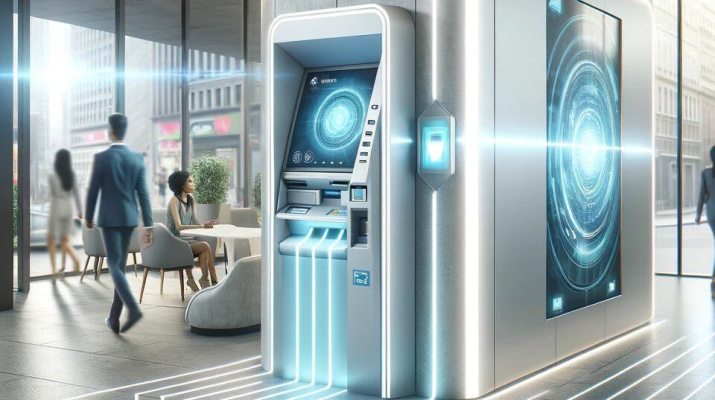
The future of ATM machines is poised for a revolutionary transformation, largely driven by the rise of tap technology. As consumers seek more efficient and hygienic ways to interact with their financial institutions, the demand for contactless payments is surging. This innovative approach not only streamlines transactions but also enhances ATM security, making the banking experience safer and more convenient. With the integration of NFC technology, users can quickly and easily access their funds without the need for physical contact with the machine. As banking innovations continue to evolve, the future of ATM machines will undeniably be shaped by these advancements, catering to the fast-paced needs of today’s tech-savvy customers.
Envisioning the next era of Automated Teller Machines (ATMs) reveals a landscape transforming through advanced payment solutions. As the banking sector shifts towards innovative transaction methods, cash dispensers are evolving to facilitate seamless exchanges that prioritize user safety. The adoption of contactless interfaces and mobile payment options underscores a growing preference among users for swift, manageable banking experiences. Furthermore, enhanced security measures are being integrated to meet the expectations of modern consumers. This dynamic shift in the ATM framework reflects a broader movement towards technological advancements that align closely with consumer behavior and expectations.
Applying for a merchant account is a straightforward process that allows businesses to accept card payments seamlessly. To begin, you need to select a payment processor that suits your business needs, whether you’re a retail store, e-commerce site, or service provider. It’s essential to compare various providers based on their transaction fees, setup costs, customer service, and the types of payment they accept. Once you have identified a suitable provider, visit their website and look for the application section. Typically, you’ll need to fill out an online form with details about your business, such as your legal entity name, contact information, and bank account details for deposit purposes.
After submitting your application, the payment processor will typically conduct a review to confirm your business’s credibility, which may involve providing documentation such as a business license, tax identification number, and bank statements. Depending on the provider, this review process can take anywhere from a few hours to several days. Once approved, you will receive your merchant account details, along with instructions on how to integrate the payment processing system into your sales channels. For further guidance, it’s advisable to visit the website of your chosen payment processor, where you can find additional resources and customer support to assist you with the setup process.
The Evolution of Tap Technology in ATMs
As technology continues to evolve, tap technology has become a pivotal feature in modern ATMs, marking a significant shift from traditional banking methods. The move towards contactless transactions not only simplifies the withdrawal process but also aligns with the growing consumer demand for speed and convenience. Tap technology leverages NFC (Near Field Communication) to enable users to initiate transactions by simply tapping their contactless cards or mobile devices against the ATM interface. This streamlined process is a reflection of broader banking innovations that prioritize user-friendly experiences.
Moreover, tap technology enhances ATM security by reducing the risks associated with card skimming and theft. Users are no longer required to insert their cards into the machine, which can leave them vulnerable to malicious devices. With robust biometric authentication methods being integrated alongside tap functionalities, consumers can feel more secure in their transactions. As the financial landscape continues to adapt to technological advancements, tap technology stands at the forefront, promising a new era for ATM machines.
Consumer Adoption of Contactless Payments
The increasing adoption of contactless payment methods is reshaping consumer expectations regarding banking transactions. Surveys indicate that a significant portion of consumers now favor contactless options over traditional methods, as they value the convenience and speed that tap technology provides. In a world where instant gratification is increasingly sought after, the ability to complete cash withdrawals swiftly and without physical contact is highly appealing. As businesses and ATMs alike integrate contactless payment solutions, the landscape of consumer banking evolves, moving towards a more digitalized approach.
In addition to convenience, another critical factor influencing consumer adoption is the heightened focus on health and hygiene, especially in light of the COVID-19 pandemic. Consumers are reassured knowing that they can conduct transactions without handling physical surfaces, thereby reducing the risks of viral transmission. The growing familiarity with digital wallets and mobile payment applications reinforces the demand for contactless bank services. Consequently, financial institutions are compelled to prioritize the implementation of tap technology to ensure they meet the evolving needs and preferences of their customers.
Advantages of Modern ATM Systems
Modern ATM systems equipped with tap technology present numerous advantages that greatly enhance user experience. One of the most notable benefits is the significant reduction in transaction times. With the implementation of contactless payments, users can complete their banking transactions in mere seconds, which is particularly advantageous in busy urban environments. This efficiency not only caters to the consumers’ need for speed but also encourages increased utilization of ATMs, as users are more likely to choose machines that allow for rapid service.
In addition to time savings, tap technology serves to bolster security measures. Traditional ATMs often pose risks such as card skimming, where unauthorized devices capture card information. However, with contactless payments, the necessity for inserting cards is eliminated, thereby significantly reducing exposure to such vulnerabilities. Furthermore, advancements in NFC technology and biometric verification are enhancing the security framework of modern ATMs, fostering greater consumer trust in using these innovations for their banking needs.
Challenges in Transitioning to Contactless Technology
Despite the promising advantages of tap technology, financial institutions face several hurdles in transitioning to contactless systems for ATM machines. One of the primary challenges involves the substantial costs associated with upgrading existing ATM infrastructure to support new technology. Banks must invest in both hardware and software solutions, which can be a significant barrier, particularly for smaller institutions without the financial reserves needed to implement widespread changes.
Additionally, the educational aspect cannot be overlooked; banks must proactively inform and educate consumers about using new contactless systems. Many users are still accustomed to traditional banking methods, and a smooth transition requires comprehensive initiatives to demonstrate the benefits and security of tap technology. Furthermore, compatibility with existing payment networks introduces logistical challenges that must be addressed to ensure a seamless rollout. As such, while the potential for innovation exists, the path to widespread adoption of contactless ATM technologies remains complex and multifaceted.
| Key Point | Details |
|---|---|
| Introduction | ATM machines are evolving with the integration of tap technology, enhancing convenience, hygiene, and security. |
| Rise of Contactless Payments | The COVID-19 pandemic has driven a major shift towards contactless payments, emphasizing health safety and convenience in banking. |
| Integration of NFC Technology | NFC technology allows secure transactions through tapping, streamlining processes and improving security with biometrics. |
| Consumer Preferences | Surveys indicate over 65% of consumers prefer contactless transactions, pushing banks to adapt to these preferences. |
| Advantages Over Traditional Systems | Tap technology reduces transaction times and the risk of card skimming compared to traditional methods. |
| Challenges Ahead | Banks must face infrastructure costs, educate consumers, and ensure compatibility with existing systems for successful implementation. |
Summary
The future of ATM machines is set to be revolutionized by tap technology, which will redefine banking interactions in an increasingly digital age. As consumers prioritize hygiene, convenience, and security, the integration of contactless payments will become essential for ATMs. With advancements in NFC technology and the growing preference for faster transactions, banks are presented with both opportunities and challenges. Embracing these technological innovations will not only enhance operational efficiency but also align financial institutions with the evolving expectations of their customers, ensuring they remain competitive. In summary, the future of ATM machines signifies a pivotal transition towards innovative payment solutions tailored to meet the demands of a modern banking clientele.
The future of ATM machines is rapidly evolving, driven by exciting technological innovations that are transforming how we interact with our banks. One of the most significant advancements is the introduction of tap technology, which enhances the convenience and security of transactions. As demand for contactless payments rises, consumers are increasingly leaning towards these intuitive interfaces that allow for fast and hygienic withdrawals. This shift marks a pivotal moment in banking innovations, where NFC technology is at the forefront, offering seamless integration with mobile devices. Furthermore, these modern ATMs provide enhanced security features that bolster consumer confidence and streamline their financial interactions.
Looking ahead, the evolution of cash dispensing machines, commonly referred to as ATMs, is set to redefine banking as we know it. These next-generation machines harness the power of contactless payment technologies, allowing users to engage in transactions without traditional swipe or insert methods. Innovations such as tap technology and NFC capabilities pave the way for a user-friendly experience that responds to the growing public demand for speed and safety in financial services. As consumers gravitate toward digital and contactless solutions, the once standard ATM will transform into a more secure and efficient tool for managing personal finances. This shift signifies a broader trend in the banking sector towards adapting to consumer preferences and advancing ATM security.
Frequently Asked Questions
What is the future of ATM machines in the context of tap technology?
The future of ATM machines is increasingly focused on tap technology, enabling users to conduct transactions via contactless payments. This innovation greatly enhances convenience and hygiene, allowing customers to simply tap their cards or smartphones at the ATM, thus reducing physical contact. As banks update their infrastructure, tap technology is expected to dominate the ATM landscape.
How will NFC technology impact the future of ATM machines?
NFC technology is central to the future of ATM machines, facilitating secure and efficient contactless transactions. By enabling customers to authenticate their identities through a simple tap, NFC technology significantly speeds up transactions and enhances ATM security. This shift toward more intuitive and secure banking interactions illustrates the evolution of Automated Teller Machines in the digital age.
What consumer preferences indicate about the future of ATM machines and contactless payments?
Consumer preferences show a strong inclination towards contactless payments, shaping the future of ATM machines. Recent surveys suggest that a majority of users favor tap technology over traditional card usage. This growing demand for faster and safer transactions indicates that ATMs will increasingly adopt contactless capabilities to enhance user satisfaction and meet modern banking needs.
What challenges do banks face in the future integration of tap technology in ATMs?
As the future of ATM machines leans toward tap technology, banks encounter several challenges, including the high costs of upgrading ATM infrastructure and the need for consumer education on new functionalities. Effectively addressing compatibility with existing payment networks and ensuring a smooth transition for users are also critical hurdles that financial institutions must navigate to fully leverage the benefits of contactless payments.
Tap technology has revolutionized the way consumers interact with payment systems, making transactions faster and more convenient than ever before. Utilizing Near Field Communication (NFC) technology, tap payments allow users to simply tap their contactless cards or mobile devices on a reader to complete purchases without needing to swipe or insert their cards. This innovation not only enhances the speed of checkout but also streamlines the user experience, particularly in busy environments such as retail stores, transit systems, and restaurants.
Contactless payments have gained immense popularity worldwide, primarily due to their efficiency and ease of use. As consumers increasingly seek seamless payment options, businesses are adapting by integrating contactless terminals. This shift has been aided by advancements in NFC technology, which allows devices to communicate wirelessly over very short distances. With the added features of mobile wallets and digital currencies, contactless payments are poised to dominate the banking landscape, offering enhanced convenience while minimizing the risk of physical card fraud.
NFC technology underpins several banking innovations, enabling secure and quick financial transactions. By facilitating communication between compatible devices, NFC supports a range of applications from mobile banking apps to digital wallets. This flexibility allows consumers to manage their finances directly from their smartphones, enabling real-time transactions, balance checks, and instant payment capabilities. The growing acceptance of NFC technology in banking reflects an industry trend towards digitization and a focus on improving customer engagement and satisfaction.
Banking innovations are increasingly driven by technology, focusing on enhancing customer experience and streamlining operations. From AI chatbots providing 24/7 customer service to mobile apps offering comprehensive financial management tools, the latest advancements cater to modern consumer expectations. Fintech companies are leading the charge by introducing new functionalities such as peer-to-peer payment platforms, automated investment advisory services, and blockchain-based transactions, which are paving the way for a more inclusive and efficient banking environment.
ATM security remains a critical concern for banks and consumers alike as technology evolves. Modern ATMs incorporate advanced security measures such as biometric authentication, EMV chip technology, and real-time fraud detection systems to protect user information and funds. With the rise of digital and contactless transactions, ensuring the security of traditional banking interfaces like ATMs becomes paramount. Institutions are investing in better surveillance, software updates, and user education to combat the increasing sophistication of ATM-related fraud.
The future of ATM machines is being profoundly shaped by the rise of tap technology, which offers a more streamlined and hygienic banking experience. As consumers become more accustomed to contactless solutions, especially in the wake of the COVID-19 pandemic, the demand for ATMs that support tap technology is on the rise. This transformation is not merely a trend; it is a reflection of evolving consumer preferences that prioritize convenience, speed, and safety. With the implementation of Near Field Communication (NFC), users can effortlessly complete transactions by tapping their cards or mobile devices against the ATM, thereby minimizing physical contact and enhancing their overall experience.
Incorporating tap technology into ATMs is not only about convenience but also about security. With NFC capability, the risk of card skimming and other forms of fraud diminishes significantly, as customers are no longer required to insert their cards into the machines. This modern approach to banking promotes a safer transaction environment, where biometric security measures such as fingerprint scans can be utilized in conjunction with tap technology. Such advancements signal an important shift in the landscape of banking services, catering to a generation of consumers who are increasingly tech-savvy and concerned about their financial security.
However, for tap technology to be embraced widely, banks need to focus on addressing several critical challenges. One of these challenges is the significant investment required to update existing ATM infrastructure to accommodate new technological norms. Furthermore, financial institutions must actively engage in educating their customers about the benefits and functionalities of contactless payments to ensure a smooth transition from traditional banking methods. By emphasizing the advantages of tap technology and providing necessary training for consumers, banks can foster a culture of acceptance and efficiency in utilizing enhanced ATM services.
As the financial landscape continues to evolve, the integration of tap technology into ATMs stands poised to redefine how consumers interact with their banking services. The advantages of speed, security, and user satisfaction create a compelling case for this technological transition. Increasingly, it seems that customers will demand banking experiences that align with their digital lifestyles. Banks that recognize and adapt to these needs not only enhance their service offerings but also fortify their position in a competitive marketplace. Without question, the future of ATMs is bright with the promise of innovation driven by tap technology.
