
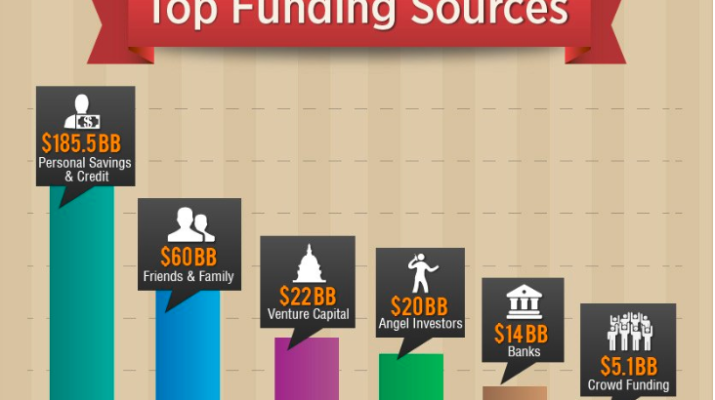
New Business Funding plays a crucial role in transforming innovative ideas into thriving enterprises. In today’s startup ecosystem, entrepreneurs face a myriad of options, from angel investors who provide essential support at the early stages to venture capitalists eager to back high-growth ventures. Alongside these traditional sources, emerging avenues like crowdfunding have democratized access to capital, allowing anyone with a vision to secure funds from a community of supporters. This comprehensive guide will explore the diverse funding sources available, including business grants and current trends in startup funding, helping you understand the landscape and make informed decisions. Navigating through this spectrum of funding can set the foundation for your startup’s success in an increasingly competitive market.
When embarking on a new business venture, understanding the intricate web of financial support systems is essential. Business financing encompasses various methodologies, such as entrepreneurial grants, investor contributions, and community-driven fundraising campaigns. Navigating these funding avenues can empower startups to thrive in a bustling marketplace. By exploring financial resources from angel financing to capital from venture firms, aspiring entrepreneurs can better equip themselves to fuel their growth strategies. This guide will illuminate the myriad paths available for securing the financial backing necessary for turning innovative concepts into profitable realities.
Applying for a merchant account is a key step for businesses looking to accept credit and debit card transactions. The first step in the application process is to choose a reputable payment processor. Research various providers to compare fees, terms, and features such as fraud protection and customer support. Once you have selected a provider, you will typically need to fill out an online application form, providing necessary business information, including your business name, address, tax identification number, and estimated monthly sales volume. Be prepared to submit additional documentation, such as business licenses and bank statements, to verify your business’s legitimacy and financial standing.
After submitting your application, the payment processor will conduct a risk assessment to determine your eligibility. This may include checking your credit history and evaluating your business model. If approved, you will receive the terms of your merchant account agreement, which you should review carefully. Pay close attention to transaction fees, chargeback policies, and contract length. Once you’re satisfied with the terms, sign the agreement, and the processor will set up your account. This usually involves integrating payment processing solutions with your website or point of sale system. For more detailed guidance on the application process, visit reputable financial service websites or consult professionals specializing in merchant services.
Understanding New Business Funding Options
New business funding is essential for entrepreneurs looking to launch or scale their startups. In 2025, various funding options such as venture capital, angel investors, and crowdfunding have emerged as popular avenues for acquiring necessary capital. Each funding source comes with its advantages and challenges, which entrepreneurs must carefully weigh before making decisions. Venture capital firms, for instance, can provide substantial amounts of money, but they may require rigid control over the startup’s direction and operations.
On the other hand, angel investors typically offer not only financial support but also valuable advice and mentorship. Their interest in small startups and willingness to take risks can profoundly impact the early stages of a business. Meanwhile, crowdfunding platforms like Kickstarter enable entrepreneurs to gather funds from a large audience, validating their business model and creating early customer engagement. Understanding these funding opportunities is vital for entrepreneurs aiming to ensure financial stability and growth for their projects.
The Role of Angel Investors in Startup Success
Angel investors play a pivotal role in the startup ecosystem, providing not only funding but also a wealth of experience that can help guide entrepreneurs. Often personal connections lead to angel investments, where investors may feel emotionally invested in a startup’s vision. Their support can be crucial in the nascent stages of a business, especially when it comes to networking opportunities that might otherwise take years to establish.
Moreover, angel investors are known to bring a depth of industry knowledge that can help shape the startup’s strategy moving forward. Their involvement can often lead to better decision-making as well as increased credibility in the eyes of future investors, such as venture capitalists. By securing funding from an individual who has a proven track record, startups can enhance their chances of achieving sustainability and scalability.
Exploring the Rise of Crowdfunding Platforms
Crowdfunding has revolutionized the way startups secure funding by democratizing access to capital. Platforms like Kickstarter and Indiegogo allow entrepreneurs to present their ideas directly to potential investors, who can support projects in exchange for rewards or equity. This approach not only provides financial backing but also serves as a marketing tool, helping to validate business concepts through public interest and support.
The interactive nature of crowdfunding fosters community engagement, allowing businesses to build a loyal customer base even before the product launch. With the ability to share their stories and visions online, entrepreneurs can leverage social media and other digital marketing strategies to amplify their reach, thereby optimizing their funding campaign efforts. As a financing option, crowdfunding represents a compelling alternative, particularly for those unable to access traditional loans or investments.
Current Funding Trends Shaping Startups in 2025
The startup funding landscape is continuously evolving, with new trends significantly affecting how businesses access capital. One key trend is the increasing focus on inclusivity in funding, evident through the emergence of funds specifically addressing the needs of underrepresented founders. As the demand for diverse investment opportunities grows, innovation and creativity flourish within the startup ecosystem, leading to richer business solutions.
Additionally, there is a noticeable shift towards sustainability, with many investors prioritizing startups that demonstrate a commitment to environmental and social responsibility. This trend underscores an overall change in consumer preferences, where businesses incorporating ethical practices attract not only funding but also customer loyalty. Startups aligning their missions with these values are better positioned to secure influential investors.
Navigating Challenges in the Funding Landscape
Despite the numerous funding options available, startups must navigate various challenges to secure adequate resources. Market volatility poses a significant threat, as investors may become cautious in turbulent economic times. Startups need to present solid business plans and projections to reassure potential investors, highlighting their risk management strategies and adaptability to changing market conditions.
Regulatory changes also play a critical role in the fundraising landscape. Entrepreneurs must stay well-informed about new rules and compliance requirements regarding venture capital and crowdfunding methods. Engaging with legal experts can help startups mitigate risks associated with non-compliance, thus protecting their funding efforts and overall reputation in the market.
Effective Strategies for Securing Startup Funding
In a competitive funding environment, employing effective strategies can significantly improve a startup’s chances of securing financial backing. One innovative approach is the use of hybrid funding models, which combine traditional funding streams with crowdfunding. This method allows entrepreneurs to leverage diverse sources of capital while maintaining flexibility in their funding journey, appealing to a broader range of investors.
Another strategy to consider is micro-funding, which enables small-scale investments from individuals who may not have significant capital. Platforms dedicated to micro-investments expand the pool of potential supporters, therefore broadening access to funding. By utilizing these creative funding strategies, startups can navigate financial challenges and establish a strong foundation for future growth.
Valuable Resources for Entrepreneurs Seeking Funding
For new entrepreneurs in search of funding, numerous resources can provide guidance and support. Websites like SeedInvest and WeFunder are excellent platforms for showcasing business ideas and attracting interest from potential investors. These online portals simplify the connecting process, allowing startups to focus on refining their pitches and creating engaging content to impress prospective backers.
Additionally, immersing oneself in dedicated funding communities such as Y Combinator or Techstars can open doors to invaluable networking opportunities and mentorship. Engaging with seasoned entrepreneurs and investors provides insights into the nuances of the startup landscape, further enhancing the chances of securing necessary capital. Utilizing these resources empowers entrepreneurs in their quest for funding, ultimately supporting their journeys towards success.
Exploring Business Grants as a Funding Option
Business grants represent an excellent funding option for startups looking to avoid the pressures of equity financing. Unlike other funding mechanisms, grants do not require repayment, enabling entrepreneurs to allocate resources directly towards their business objectives. Various organizations, including governmental bodies and private foundations, offer grants to support innovative ideas, alleviating some financial burdens that often accompany startup costs.
However, securing a business grant is often competitive and requires a strong proposal that outlines the project’s potential impact and feasibility. Entrepreneurs must thoroughly research available grants, paying close attention to eligibility criteria and application deadlines. Understanding the needs of grant providers and aligning business proposals with their mission can dramatically improve the chances of obtaining such funding.
The Impact of Venture Capital on Startup Growth
Venture capital is another critical source for many startups, particularly those looking to scale rapidly. VCs often bring large capital investments and strategic guidance, greatly aiding startups in their growth phases. While these firms require equity stakes in return for funding, the resources they offer can propel a startup into new markets and enhance product development, providing a vital boost in the competitive landscape.
Moreover, venture capitalists often come with extensive networks and expertise that can facilitate partnerships and introductions to potential customers. Founders can leverage these contacts to gain insights into market trends, operational best practices, and effective marketing strategies. With the right venture capital partnership, startups can significantly increase their chances of long-term success, navigating the challenges of the evolving business environment.
| Funding Source | Description | Benefits |
|---|---|---|
| Bootstrapping | Using personal savings or business revenue | Complete control, sustainable growth without external debt. |
| Angel Investors | Individuals invest in exchange for equity or convertible debt | Potential mentorship and support for startup founders. |
| Venture Capital (VC) | Funds pooled from investors for high-growth startups | Accelerated growth potential; access to larger amounts of capital. |
| Crowdfunding | Soliciting small contributions from a large number of people | Validates ideas; democratizes access to capital. |
| Grants and Competitions | Funding from organizations or government bodies without equity | No equity loss; ideal for innovative ideas. |
Summary
New Business Funding is a critical component for aspiring entrepreneurs looking to kickstart their ventures. In the current landscape, a myriad of funding options are available to navigate, from bootstrapping and angel investors to crowdfunding and grants. Understanding these avenues thoroughly empowers entrepreneurs to choose the right strategy for their unique needs. With a focus on sustainability, inclusion, and innovative funding models, the landscape is more dynamic than ever. Entrepreneurs are encouraged to leverage online platforms and join supportive communities to maximize their funding potential. By preparing strategically and staying informed about current trends and challenges, entrepreneurs position themselves for success and create pathways toward transforming their innovative ideas into reality.
New Business Funding is a critical component of launching and sustaining a successful startup in today’s competitive market. With the right financial backing, entrepreneurs can transform their innovative ideas into thriving enterprises. From angel investors and venture capitalists to crowdfunding and business grants, there are numerous avenues available to secure the necessary capital. This guide will explore these diverse funding sources, highlighting trends and strategies that can help new businesses navigate the complexities of startup funding. Understanding these options is essential for any entrepreneur looking to make a significant impact in their industry.
In the ever-evolving world of entrepreneurship, securing capital for your venture is key to achieving growth and sustainability. Aspiring business owners often seek innovative financing solutions that encompass everything from angel investments to venture funding. Options like grants and crowdfunding platforms have emerged as viable alternatives for those looking to launch their businesses without the constraints of traditional loans. By understanding the nuances of startup funding, entrepreneurs can better position themselves to attract the right financial partners and opportunities. This comprehensive guide delves into the landscape of financial options available for new ventures, hosting valuable insights for successful business development.
Frequently Asked Questions
What are the best options for New Business Funding in 2025?
In 2025, new business funding options include bootstrapping, angel investors, venture capital, crowdfunding, and grants. Bootstrapping allows founders to use personal savings while angel investors provide early-stage capital in exchange for equity. Venture capital can significantly accelerate growth, but it comes with ownership stakes. Crowdfunding leverages small contributions from many people via platforms like Kickstarter, while grants offer non-repayable funding from government bodies or organizations. Each option has its own benefits and should align with the startup’s long-term goals.
Startup funding is the lifeblood of new businesses, providing essential capital that enables entrepreneurs to turn their ideas into reality. Startups typically require funding to cover initial expenses, such as product development, marketing, and operational costs. Various sources of funding exist, each with its unique benefits and challenges, allowing entrepreneurs to choose an avenue that best fits their business model and growth strategy.
Business grants represent a fantastic opportunity for startups, as they often provide funds that do not need to be repaid. These grants can come from governmental bodies, nonprofit organizations, or private foundations, usually aimed at encouraging innovation and supporting specific sectors or demographics. While competition for grants can be fierce, success can significantly alleviate the financial burden of launching a new venture, allowing entrepreneurs to focus on growth rather than repayment.
Venture capital is a prominent method of startup financing for businesses that demonstrate potential for rapid growth and scalability. Venture capitalists, typically firms or wealthy individuals, invest in early-stage companies in exchange for equity, betting on future returns. This form of funding often comes with not just capital but also valuable guidance and networking opportunities, as seasoned investors often take a seat on the startup’s board, leveraging their experience to mentor the company through its early challenges.
Crowdfunding has revolutionized the way startups can raise money, allowing them to tap into a broader pool of potential investors via online platforms. With crowdfunding, entrepreneurs present their business idea to the public, inviting contributions from individuals who believe in the project. This approach not only provides financial support but also can serve as a marketing tool, generating early interest and a community of supporters who are invested in the startup’s success.
Angel investors are typically affluent individuals who provide capital for startups, often in exchange for convertible debt or ownership equity. Unlike venture capitalists, angel investors may invest their personal funds and often have a keen interest in helping new entrepreneurs succeed. They can offer not only financial backing but also industry insights, mentorship, and valuable connections, making their involvement crucial for early-stage endeavors seeking to navigate the complexities of business development.
In today’s competitive entrepreneurial environment, understanding how to effectively fund a startup is crucial for aspiring business owners. With an array of options available, such as bootstrapping, angel investors, venture capital, crowdfunding, and grants, each funding source presents its own unique advantages and challenges. Entrepreneurs must evaluate these options carefully, considering their business model, growth trajectory, and personal comfort with relinquishing control or accruing debt. By assessing their specific needs and aligning them with the appropriate funding strategy, new founders can better position themselves for long-term success.
Current trends in startup funding reveal a shift towards more inclusive and socially responsible investing practices. As awareness of diversity and inclusion grows, many investors are actively seeking to fund startups led by underrepresented founders, creating opportunities that were previously limited. Furthermore, with remote work becoming the norm, startups offering innovative solutions to facilitate this transition have found themselves in the spotlight, attracting substantial investment. This emphasis on socially conscious business practices not only reflects changing investor priorities but also highlights the evolving expectations of consumers who prefer to support ethical and sustainable startups.
To navigate potential challenges in securing startup funding, entrepreneurs must remain adaptable and informed about market conditions and regulatory changes. Economic fluctuations can affect investor sentiment, making it essential for founders to present robust business models and clear value propositions that resonate with potential funders. Additionally, keeping abreast of legal requirements associated with different types of funding can save invaluable time and resources. Entrepreneurs would benefit from building a well-rounded support network of mentors, advisors, and fellow entrepreneurs, as these connections can offer guidance, resources, and new avenues for funding that might otherwise go unnoticed.
Utilizing various resources and platforms can significantly enhance funding prospects for new startups. Online crowdfunding sites like SeedInvest and GoFundMe not only enable entrepreneurs to present their ideas to a broader audience but also help validate their business concepts through community interest. Moreover, engaging with dedicated funding communities like Y Combinator can provide entrepreneurs with essential mentorship and networking opportunities, often crucial for gaining investor confidence. By strategically leveraging these resources, budding entrepreneurs can enhance their chances of securing the necessary capital to bring their visions to life.
In conclusion, successfully funding a startup in 2025 requires a keen understanding of the diverse funding landscape, awareness of current trends, and a proactive approach to overcoming challenges. Entrepreneurs must remain vigilant in their exploration of funding options, from bootstrapping to leveraging venture capital and crowdfunding. By arming themselves with knowledge and adopting a strategic mindset, aspiring business owners can confidently navigate the complexities of startup funding, positioning themselves for sustainable growth and achieving their entrepreneurial aspirations.
