
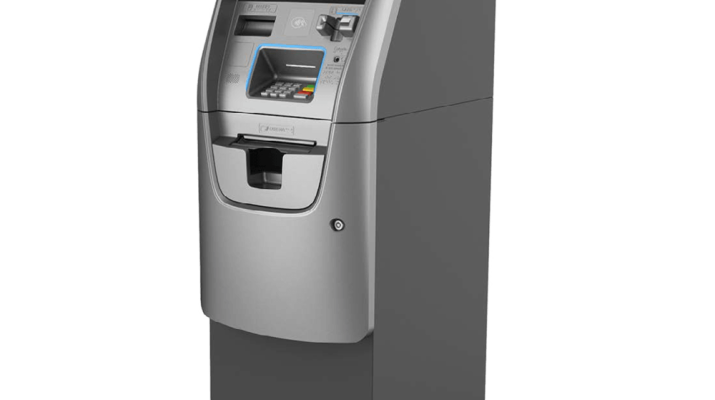
In today’s fast-paced world, the rise of ATM machines with tap technology signifies a groundbreaking shift in the realm of banking innovation. These contactless ATMs cater to the growing demand for speedy and efficient transactions, aligning perfectly with the digital banking trends of our era. As technology progresses, banks are increasingly adopting sophisticated ATM technology that allows customers to access their funds with just a gentle tap of their card or smartphone, enhancing user convenience drastically. The integration of mobile payment systems has made it easier for consumers to manage their finances while minimizing physical contact, a crucial feature in today’s health-conscious environment. This blog post delves into the significance of this shift, exploring the benefits of tap technology and its implications for the future of financial transactions.
The emergence of contactless ATM systems, often referred to as tap-enabled cash dispensers, represents a significant leap in how individuals interact with their financial institutions. These modern interfaces embody advancements in digital payment solutions, allowing users to complete transactions swiftly without the hassle of card handling. As more consumers turn to mobile wallets and similar technologies, the transition to accessing cash via tap ATMs becomes increasingly seamless. The shift not only enhances user experience but also reflects a broader movement towards embracing new ATM technology that prioritizes speed and security. By examining the dynamics of these innovative banking methods, we can understand their role in shaping the future of financial interactions.
Applying for a merchant account is a crucial step for any business looking to accept electronic payments. To begin the application process, you will first need to choose a payment processor or a bank that offers merchant services. Research various providers to find one that suits your business needs, considering transaction fees, customer support, and integration options with your existing systems. Once you’ve selected a provider, you can visit their website or contact them directly to start the application. Be prepared to provide essential business information such as your business structure, business license, tax identification number, and financial statements.
After submitting your application, the payment processor will conduct a thorough review of your business and financial health. This may involve assessing your credit history and analyzing your business model to mitigate any potential risks. Depending on the processor, this review process can take anywhere from a few days to a week. If approved, you will receive a merchant account that allows you to start accepting payments, whether in-store or online. It’s crucial to read the terms carefully, as they will outline fees, chargeback policies, and other obligations. For more detailed guidance on applying for a merchant account, you can visit relevant financial service websites or consult with a financial advisor for personalized assistance.
The Convenience of Contactless ATMs
The introduction of contactless ATMs has revolutionized how customers interact with their bank accounts. Gone are the days of debating between a debit card or remembering a PIN; with just a tap of a smartphone or contactless card, users can swiftly access their funds. This feature is particularly beneficial during busy times, as it significantly reduces wait times at ATMs, enhancing overall customer satisfaction. In a world that prioritizes speed and efficiency, such innovations are pivotal in meeting modern financial demands.
Additionally, the convenience of these machines plays a crucial role in the post-pandemic landscape, where contactless interactions have become the standard for many consumers. Individuals are now more conscious about minimizing physical contact, making ATM machines with tap technology an attractive option. As more users engage with digital wallets that support contactless payment, banks are positioned to capitalize on this shift, providing a seamless transition that appeals to both tech-savvy customers and those who prefer user-friendly interfaces.
Advancements in ATM Technology
The rapid advancements in ATM technology signify a crucial step in banking innovation. Major financial institutions are not just replacing old machines; they are embedding cutting-edge features that align with current digital banking trends. This involves investing in the integration of mobile payment technologies and contactless functionalities to attract a broader customer base. As banks steadily adopt this technology, the industry is witnessing an evolution from traditional cash withdrawal to a more integrated financial service experience.
Moreover, the endorsement of contactless ATMs by reputable banks like Bank of America and Wells Fargo underscores a significant shift within the sector. These institutions are at the forefront of this wave, actively promoting modern ATM technology as essential for future operations. By equipping machines with user-friendly designs and secure interfaces, they are essentially redefining customer interactions and cementing ATMs as a pivotal point in digital banking solutions.
Consumer Security and Contactless Payments
As innovation drives the proliferation of contactless ATMs, consumer security remains a top concern. The fear of unauthorized transactions via mobile devices can deter users from fully embracing this technology. However, banks are responding with enhanced security measures, integrating biometric authentication methods such as facial recognition and fingerprint scanning. These advancements not only bolster device security but also reassure customers about the safety of their financial information.
Furthermore, educational initiatives led by financial institutions play a vital role in addressing security misconceptions. By demystifying the operating principles of tap technology and showcasing the security systems in place, banks can foster greater trust among users. An informed customer is more likely to engage confidently with mobile payments and other digital banking features, thus promoting wider acceptance of contactless ATMs in everyday transactions.
Future Trends in Contactless ATM Usage
Looking ahead, the trend of contactless ATM adoption is set to expand globally as part of a larger shift toward digital banking practices. Analysts project that by 2025, the expectation of contactless transactions will not only remain prevalent in urbanized areas but will also spill over into rural regions as ATM technology becomes more accessible. This anticipated growth aligns with consumer behaviors favoring speed and convenience in financial transactions.
Additionally, as countries worldwide enhance their banking infrastructure, the coexistence of speed, efficiency, and security in financial transactions becomes the norm. While the North American market may currently be leading the charge, the enthusiasm for ATM machines with tap capabilities transcends borders. Regions in Europe and Asia are already experiencing a surge in contactless interactions, marking a unanimous trend towards a future where banking is simplified, secure, and accessible for all.
| Key Points | Details |
|---|---|
| Overview of ATM Machines with Tap | ATM machines with tap technology are designed to allow users to complete transactions via contactless methods using smartphones or contactless cards. |
| Tech Functionality | Utilizes NFC (Near Field Communication) to facilitate swift and secure transactions without the need for physical cards. |
| Recent Developments | Major banks are rapidly adopting contactless ATMs, with commitments from companies like Bank of America and Wells Fargo for city deployments by the end of 2023. |
| User Convenience | Tap ATMs provide a quicker and seamless way for users to access services, emphasizing contactless interactions post-pandemic. |
| Financial Benefits | Expect increased ATM usage and operational efficiency; banks can serve more customers in less time. |
| Security Concerns | Ongoing discussions around security, with banks introducing biometric and other advanced verification methods to protect user transactions. |
| Global Trends | The trend is growing internationally, with predictions of standardization in urban regions worldwide by 2025. |
Summary
ATM machines with tap technology represent a transformative advancement in the way consumers engage with banking services. This innovative approach enables users to access their financial accounts quickly and securely through contactless transactions, eliminating the need for physical card insertion. As banks continue to prioritize convenience and efficiency, the embrace of tap technology is reshaping the modern banking landscape. Consumers benefit from quicker transactions, improved safety features, and an increasingly user-friendly interface. Looking to the future, it is evident that ATM machines with tap will play a crucial role in the overall modernization of banking, ensuring that services align with the evolving preferences of users.
In the rapidly evolving landscape of modern banking, ATM machines with tap technology stand out as a groundbreaking innovation, elevating user convenience to new heights. As consumers increasingly seek efficiency and contactless transactions, these advanced ATMs respond effectively to such demands, reflecting the broader trend of digital banking. By utilizing mobile payment solutions and contactless debit and credit cards, users can now access their accounts with just a simple tap. This integration of cutting-edge ATM technology promotes a seamless financial experience while reducing the friction often associated with traditional banking methods. As we navigate through this article, we will delve into the significance of ATM machines with tap capabilities and their implications for the future of banking innovation.
The emergence of tap-enabled ATM systems represents a shift towards more interactive and user-friendly banking environments. Often dubbed contactless ATMs, these machines allow customers to engage in transactions without the need for physical card insertion, leveraging mobile wallets and other NFC technologies. This development epitomizes the ongoing transformation within the financial sector, as institutions prioritize streamlined access and improved customer interactions. The growing adoption of such digital banking solutions showcases a collective movement towards convenience and efficiency, catering to the modern consumer’s preferences. As we explore this topic further, we will uncover the multiple advantages and potential challenges associated with this innovative banking approach.
Frequently Asked Questions
What are ATM machines with tap technology?
ATM machines with tap technology allow users to perform transactions without inserting a card. Instead, customers can use contactless debit or credit cards, or mobile payment options such as digital wallets (like Apple Pay or Google Wallet) to access their accounts with a simple tap, increasing convenience and speeding up transactions.
How does tap technology improve the security of ATM transactions?
Tap technology enhances security at ATMs through advanced authentication measures, such as biometric verification including fingerprint or facial recognition. These features ensure that only authorized users can access their accounts, addressing concerns about the safety of mobile transactions.
Why are contactless ATMs becoming popular in digital banking?
Contactless ATMs are gaining popularity due to their convenience and speed, aligning with the growing consumer demand for efficient banking solutions. As more people prefer digital banking, the ability to complete transactions quickly without physical cards enhances customer satisfaction and encourages technology adoption.
What trends are influencing the adoption of contactless ATM technology?
The rise of mobile payment systems and changing consumer preferences for contactless interactions are key trends influencing the adoption of contactless ATM technology. Major banks are investing in these digital banking solutions to enhance customer experience and meet the demand for faster, safer transactions.
Contactless ATMs are a significant advancement in ATM technology, enabling users to complete transactions without physically inserting their cards. Instead, customers simply tap their contactless-enabled cards or mobile devices against a sensor on the ATM, which quickly processes the transaction. This innovation not only enhances convenience but also improves security by reducing direct contact, making it an appealing option in today’s health-conscious environment.
Digital banking continues to revolutionize the financial landscape, offering users the ability to manage their finances remotely through apps and online platforms. With the rise of mobile payments, consumers can conduct transactions, pay bills, and even transfer funds seamlessly from their smartphones. This shift towards digital banking has prompted financial institutions to innovate, ensuring they provide secure, user-friendly options that meet the growing demands of tech-savvy customers.
ATM technology has evolved dramatically over the past decade, integrating features such as biometric authentication and advanced cash recycling systems that streamline operations for financial institutions. These enhancements not only improve service speed and reliability but also help banks manage currency flow more efficiently. As technology continues to advance, the future of ATMs promises to include even more innovative features that enhance user experience and operational efficiency.
Mobile payment solutions are becoming increasingly prevalent as consumers seek convenience and efficiency in their financial transactions. These platforms allow users to pay for goods and services using their smartphones, often with just a touch or scan. Services like Apple Pay, Google Pay, and others have made the transition to cashless transactions seamless, further promoting a digital economy where physical cash becomes less necessary. This trend is transforming how individuals and retailers interact financially.
Banking innovation is at the forefront of a digital transformation, with institutions striving to adapt to shifting customer preferences and technological advancements. From leveraging AI and machine learning for personalized banking experiences to incorporating blockchain for enhanced security and transparency, banks are rethinking traditional processes. In an ever-evolving financial landscape, staying innovative is crucial for banks to maintain competitiveness and meet the diverse needs of their customers.
As the world grows increasingly digital, the demand for convenience in banking is more pronounced than ever. ATM machines equipped with tap technology represent a significant leap forward, allowing customers to bypass traditional methods and complete transactions swiftly with a simple tap of their smartphones or contactless cards. This advancement aligns perfectly with contemporary consumer habits, as more people opt for mobile payment solutions in their day-to-day transactions. With banking becoming more integrated into our digital lives, these innovations not only enhance user convenience but also reflect a broader shift towards a cashless society where speed and efficiency take precedence.
The introduction of contactless ATMs is further fueled by the increasing adoption of smartphones and mobile wallets, making it easier than ever for users to access their funds. Financial institutions are aware that consumers seek frictionless experiences, particularly in urban environments where time is of the essence. With this in mind, the rollout of tap-enabled ATMs allows banks to meet customer expectations while reducing queues and improving overall operational efficiency. As customers adapt to using their devices for various transactions, the transition to contactless ATMs becomes a natural extension of their banking habits, ultimately encouraging more frequent use.
Moreover, the security of tap technology has been a pivotal factor for banks as they launch these new ATMs. Recognizing consumer apprehensions about using mobile devices for financial transactions, institutions are incorporating robust security measures such as biometric authentication and encryption. By prioritizing safety and providing transparent information on security practices, financial institutions can build trust and encourage adoption among users. As customers become more informed about the operational protocols surrounding contactless transactions, their confidence in using this technology will likely grow, paving the way for broader acceptance and implementation.
In a global context, tap-enabled ATM machines are not only reshaping the banking experience in the United States but also making waves in international finance. Regions in Europe, particularly in Scandinavian countries, have already integrated contactless technology extensively, showcasing the effectiveness of these systems in streamlining banking services. Analysts predict that as more financial institutions across the globe adopt similar strategies, a standardization of contactless ATM technology may emerge, creating an interconnected banking environment that transcends borders and caters to the growing expectations of consumers everywhere.
As we look to the future, the evolution of ATM machines with tap technology will play a pivotal role in redefining the landscape of personal finance management. By harmonizing convenience with security, banks are laying the groundwork for a more accessible and user-friendly banking system. The emphasis on customer-centric innovations suggests that as technology continues to advance, so too will the solutions and offerings from financial institutions, ultimately leading to a banking experience that prioritizes the user’s needs without sacrificing safety.
