
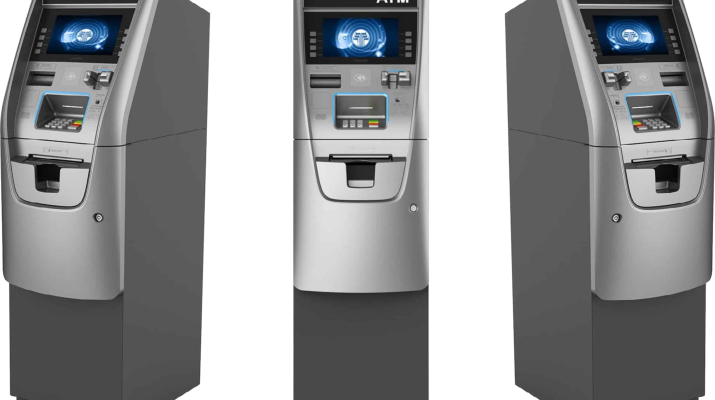
The ATM Machines Business is experiencing a remarkable surge as consumers increasingly seek convenient access to cash and banking services. With a projected market growth of approximately 6.8% from 2024 to 2030, this sector is adapting to the demands of a cashless society, showcasing various types of ATMs designed for specific needs, including smart ATMs and mobile options. Emerging technologies in ATMs, such as biometric authentication and blockchain solutions, are not only enhancing security but also providing operators new avenues for service innovation. However, navigating the challenges in the ATM business, such as evolving consumer preferences and maintaining competitive placement strategies, is crucial for success. This introduction highlights the exciting opportunities within the ATM domain and sets the stage for a deeper exploration of its dynamics and profitable ventures.
In the realm of automated transaction machines, often referred to as cash dispensers or banking kiosks, the industry is witnessing transformative shifts shaped by technology and user demands. These devices are increasingly pivotal in providing financial services to both urban and rural populations, especially as the shift towards cashless transactions accelerates. The various configurations of these machines, from traditional dispensing units to sophisticated smart ATMs, cater to a broad spectrum of customer needs. Meanwhile, innovations like artificial intelligence and enhanced security measures are emerging as vital components that enhance the operational efficiency of ATM networks. As we explore this landscape, understanding the systemic challenges and placement tactics will be essential for anyone considering entry into this lucrative field.
Applying for a merchant account involves several key steps that ensure you can accept card payments for your business. The first step is to research different payment processors to find one that fits your needs based on fees, transaction types, and customer service. After identifying a suitable provider, you will need to fill out an application form, which typically requests information about your business, including its structure, revenue, and the types of products or services you offer. Be prepared to provide personal identification, business documentation, and possibly a business plan if you’re a start-up.
Once your application is submitted, the payment processor will review your information, and this process may involve a credit check or verification of your business’s financial health. If approved, you’ll receive a merchant account that allows you to accept credit and debit card payments. Many providers offer additional features such as e-commerce integration and reporting tools, so it’s beneficial to discuss these options. For further guidance and a detailed walkthrough of the application process, we recommend visiting [Merchant Services Provider Website] where you can find comprehensive resources and support.
Understanding Market Growth in the ATM Industry
The growth of the ATM market is primarily fueled by the rising consumer preference for cashless transactions. In recent years, significant events have accelerated this shift, driving demand for ATMs that facilitate fast and secure payment options. The innovation in ATM technology has played a vital role in this evolution, enabling machines to offer more than just cash withdrawals. With advancements in features such as video banking, bill payments, and multi-currency transactions, ATMs are becoming indispensable financial tools, especially in urban centers where consumer habits are rapidly changing.
Market forecasts indicate that the ATM industry is set to achieve a substantial CAGR of approximately 6.8% from 2024 to 2030. This growth trajectory is partly attributed to increased efforts by financial institutions to enhance their service offerings. Many banks are investing in ATM networks to improve accessibility for underbanked populations, ensuring every consumer has the opportunity to enjoy essential banking services. As this trend continues, the ATM market will likely witness an influx of businesses looking to capitalize on emerging customer needs, revealing numerous opportunities for investors.
Diverse Types of ATMs and Their Importance
When it comes to entering the ATM machines business, understanding the diversity in ATM types is crucial. Traditional ATMs are the backbone of the industry, providing basic cash withdrawal services. However, with the burgeoning demand for more complex banking services, smart ATMs are gaining popularity. These advanced machines offer features like bill payment, check deposits, and even account management capabilities. This evolution represents a significant opportunity for entrepreneurs looking to appeal to a wider audience, particularly in areas where conventional banking services are lacking.
Moreover, mobile ATMs and kiosks have emerged as valuable alternatives in the market. Portable ATMs are particularly useful during events or in emergency situations, providing crucial cash access where it’s needed most. Kiosks, on the other hand, operate independently of human staff, catering to customers’ needs at any time. With such a range of ATM types available, entrepreneurs can tailor their business strategies to fit specific market demands, leveraging these machines to serve niche audiences effectively, ultimately thriving in a competitive landscape.
Adopting Emerging Technologies in ATMs
The integration of emerging technologies into the ATM sector is revolutionizing user experience and security. One significant trend is the implementation of biometric authentication, which enhances security by using unique physical features like fingerprints or facial recognition. This technology not only protects users from fraud but also streamlines the transaction process, making it more efficient. Embracing such advancements positions ATM businesses to meet modern customer expectations, ensuring higher usage rates and customer satisfaction.
Additionally, artificial intelligence (AI) is reshaping how ATM operators analyze consumer behavior. By leveraging AI tools, businesses can better understand their customers’ preferences, enabling them to customize offerings and improve service delivery. The adoption of technologies like blockchain further strengthens transaction security and transparency, providing operators with innovative ways to enhance operational efficiencies. By staying ahead of technological advancements, ATM businesses can significantly boost their competitive edge in an ever-evolving financial landscape.
Strategic Location Placement for ATM Success
To maximize profitability in the ATM business, strategic placement is paramount. High foot traffic areas—such as shopping malls, entertainment venues, and busy streets—should be prioritized, as these locations will likely see a greater volume of transactions. By analyzing demographic data, operators can make informed decisions about which services to offer at specific locations, ensuring that their ATM machines cater to the needs of the surrounding community effectively.
Understanding the competitive landscape is also crucial when developing ATM placement strategies. By performing a thorough analysis of competitor locations, businesses can identify underserved areas where demand for ATMs may be high. This strategic approach not only enhances visibility but also increases market penetration, allowing businesses to gain a significant foothold in the ATM industry while optimizing operational efficiency.
| Key Point | Description |
|---|---|
| Market Growth | The ATM market is expected to grow at a CAGR of 6.8% from 2024 to 2030 due to increased demand for cashless transactions and technological advancements. |
| Types of ATMs | Includes Traditional ATMs, Smart ATMs, Mobile ATMs, and Kiosks. Each type serves different market needs. |
| Emerging Technologies | Technologies like Biometric Authentication, Blockchain, and AI are enhancing security and user experiences. |
| Location Strategies | Successful placement depends on factors such as foot traffic and demographic data to meet community needs. |
| Financial Performance | Profitability hinges on service fees and minimizing operating costs for better customer satisfaction. |
| Regulatory Challenges | Operators must comply with AML measures and data protection standards to guard against legal issues. |
| Business Challenges | The rise of digital payments, theft concerns, and the need for continuous technology upgrades are challenges faced. |
Summary
The ATM machines business is a rapidly evolving sector poised for significant growth, with projections indicating a substantial 6.8% annual increase until 2030. This growth is driven by the rising demand for cashless transactions and continual technological advancements. Entrepreneurs venturing into the ATM business must understand various opportunities and challenges, from implementing advanced security measures to strategically placing ATMs in accessible locations. By staying ahead of technological trends and adhering to regulations, ATM businesses can thrive in a competitive market landscape. As consumer preferences for financial transactions evolve, the ATM industry will also adapt, solidifying its role in the finance ecosystem.
The ATM Machines Business is flourishing in today’s fast-paced financial environment, driven by a remarkable growth trajectory that reflects the increasing reliance on cashless transactions. The global ATM market is projected to achieve a compound annual growth rate (CAGR) of 6.8% by 2030, revealing a prime opportunity for savvy entrepreneurs and investors looking to capitalize on emerging trends. Various types of ATMs are reshaping customer experiences, incorporating advanced technologies that enhance security and service delivery. However, those entering the ATM sector must also navigate challenges such as robust competition and ever-evolving regulatory requirements. By understanding ATM placement strategies and embracing emerging technologies in ATMs, business owners can effectively position themselves for success in a vibrant marketplace.
The realm of automated teller machines, often referred to simply as ATMs, represents a burgeoning sector within the financial services industry. As more consumers favor the convenience of cashless solutions, the accessibility of cash remains an essential component for many businesses. The evolution of ATM technology, combined with strategic placement and an awareness of the challenges faced in this competitive landscape, presents unique opportunities for financial ventures. Key considerations, such as understanding the types of ATMs available and keeping abreast of market growth, will be invaluable for those looking to thrive in this dynamic field. With the right insights and a forward-thinking approach, operators can unlock significant potential within the ATM business.
Frequently Asked Questions
What are the emerging technologies in the ATM machines business?
The ATM machines business is evolving with several emerging technologies including biometric authentication, which enhances security by using unique physical traits, and artificial intelligence, which analyzes consumer behavior for tailored services. Additionally, some operators are exploring blockchain technology to secure transactions and improve fund traceability.
What are effective ATM placement strategies for businesses?
Effective ATM placement strategies in the ATM machines business focus on high-foot-traffic areas like shopping centers and event venues. Understanding local demographics and analyzing the competition are also crucial for tailoring services to meet community needs and maximizing transaction volumes.
What types of ATMs are most commonly used in the ATM market?
In the ATM market, the most common types include traditional ATMs for basic cash withdrawal, smart ATMs that offer features like bill payments, mobile ATMs for portability during events, and kiosks providing banking services without staff assistance. Each serves different needs in the ATM machines business.
What are the main challenges facing the ATM business today?
The ATM machines business faces several challenges today, including competition from digital payment solutions, security risks such as theft and vandalism, and the need for continuous technology upgrades to meet evolving consumer expectations. Addressing these issues is vital for sustained growth in this sector.
The ATM market is experiencing significant growth, driven by increasing consumer demand for convenient banking solutions and technological advancements. With the rise of cashless transactions, traditional ATMs are being transformed into multifunctional kiosks that can handle not only cash withdrawals but also bill payments, money transfers, and even ticket sales. This evolution has encouraged financial institutions and independent operators to expand their ATM networks to cater to a broader audience, especially in emerging economies where banking infrastructure may be limited.
There are several types of ATMs available on the market today, each designed to meet different banking needs. Traditional Automated Teller Machines allow users to withdraw cash and check account balances. In contrast, multifunction ATMs offer additional services like cash deposits, fund transfers, and even account management services. Smart ATMs incorporate advanced features such as biometric authentication and integration with mobile wallets, while video ATMs provide real-time assistance from human tellers through video calls, significantly enhancing customer interaction.
Emerging technologies are revolutionizing the ATM landscape, making machines smarter and more user-friendly. Innovations such as artificial intelligence and machine learning are being implemented to analyze transaction data, predict user needs, and enhance security measures. Additionally, contactless technology enables users to perform transactions with their mobile devices, while blockchain integration is beginning to offer more secure transaction methods at ATMs. These advancements not only improve user experience but also help financial institutions streamline operations and reduce costs.
Effective ATM placement strategies are crucial for maximizing profitability and customer accessibility. Financial institutions must analyze factors such as foot traffic, proximity to retail locations, and demographic trends to determine optimal placement. Targeting high-traffic areas such as shopping centers, airports, and busy urban streets can significantly increase usage rates. Moreover, data analytics plays a vital role in identifying under-served locations, allowing banks to strategically place ATMs in areas where they will meet the most demand.
Despite its growth potential, the ATM business faces several challenges. Security concerns remain a top priority, with incidents of skimming and ATM fraud posing significant risks to users and operators alike. Additionally, the shift towards digital banking and mobile payments threatens traditional ATM usage, prompting operators to innovate continuously. Operational costs, including maintenance, cash management, and compliance with regulatory standards, create further challenges that need to be addressed to ensure the profitability and sustainability of the ATM business.
The ATM machines business is on the cusp of transformation as consumer preferences and technological advancements shape its future. With a projected compound annual growth rate of approximately 6.8%, the industry reflects a growing reliance on cashless transactions. Factors driving this growth include an increase in mobile banking usage, the desire for quicker service, and a global push towards digitization due to pandemic constraints. Entrepreneurs venturing into this space have the opportunity to tap into the booming demand for innovative financial solutions, particularly as more underserved areas seek accessible banking services.
Diverse types of ATMs cater to various consumer needs and market segments, providing strategic advantages to businesses looking to enter this field. From traditional ATMs that serve basic cash withdrawal functions to smart ATMs capable of handling deposits and bill payments, each type comes with its own set of operational dynamics and market appeal. Mobile ATMs present unique solutions for events or emergencies, expanding service availability beyond conventional banking hours and locations. This variety not only enables operators to choose machines that align with local demand but also positions them for broader revenue streams.
Emerging technologies play a pivotal role in redefining the ATM landscape, presenting opportunities for improved security and enhanced user experiences. The integration of biometric authentication offers robust protection against fraudulent access, while blockchain technology provides an innovative approach to secure transaction management. Artificial Intelligence further personalizes services by analyzing consumer behavior patterns, enabling operators to tailor offerings to meet specific customer needs. Staying ahead with these technological advancements is not just about enhancing security; it is imperative for increasing operational efficiency and maintaining competitive advantage in a rapidly evolving market.
Strategically placing ATMs is fundamental to business success, as location significantly influences transaction volume and customer accessibility. High foot traffic areas, such as busy shopping centers, transportation hubs, and event venues, are prime spots for maximizing ATM utilization. In-depth demographic analysis ensures that operators can align their services with community requirements, which is critical for attracting a diverse user base. A detailed competition analysis can also guide entrepreneurs in selecting optimal locations, enabling them to monopolize gaps in the market while minimizing saturation risks.
Despite the lucrative prospects within the ATM industry, operators face several challenges that can impact profitability and sustainability. The rapid adoption of digital wallet technologies and online banking platforms poses intense competition for traditional ATM services, prompting a necessity for ATMs to evolve and offer more versatile services. Security concerns, including theft and vandalism, remain prominent, requiring businesses to invest in robust security measures to protect their assets. Additionally, ongoing technology upgrades can be costly and require significant planning and financial resources, emphasizing the need for effective risk management in this sector.
