
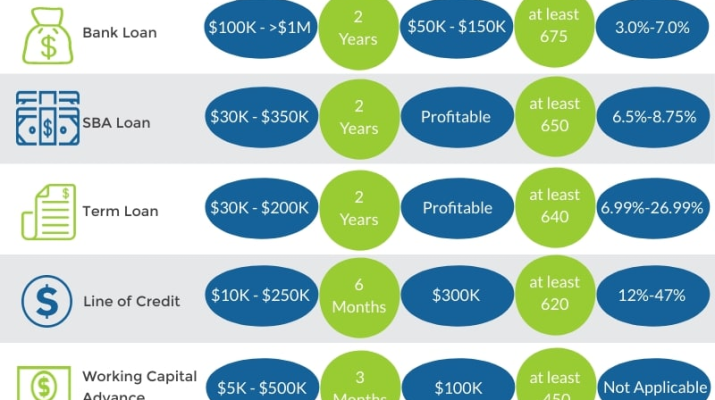
Navigating the world of business funding options has never been more crucial for entrepreneurs eager to start or expand their ventures. With traditional bank loans becoming harder to secure, alternative financing solutions have emerged as viable avenues for obtaining capital. Options such as crowdfunding, venture capital, government grants, and ethical investments provide a wealth of opportunities that entrepreneurs can leverage. Understanding these diverse business funding options is essential to finding the right fit for your needs and goals. In this detailed guide, we will delve into these funding avenues, shedding light on their mechanics and the latest trends shaping their development.
When it comes to financing a new business, various approaches can be used to secure necessary funds. These financial resources include everything from non-traditional lending strategies to investments sourced from the crowd. Innovative funding methods like equity financing, microloans, and public grants pave the way for new entrepreneurs to access needed capital without solely depending on conventional banks. Furthermore, as the landscape shifts towards more inclusive options, ethical investment opportunities are becoming increasingly available. This guide will explore these different financing mechanisms, providing insights into how each can support your entrepreneurial journey.
Applying for a merchant account is a crucial step for any business looking to accept credit and debit card payments. The first step in the application process is to choose a payment processor that aligns with your business needs. When researching different processors, consider factors such as transaction fees, monthly fees, customer support, and the types of payment they accept. Once you select a provider, visit their website and look for the merchant account application section. Here, you will typically need to fill out an online form with details about your business, including your business name, address, tax ID number, and average transaction volume.
After submitting your application, the payment processor will review your information, which may take anywhere from a few hours to several days. Be prepared to provide additional documentation to verify your identity and business legitimacy, such as your business license, bank statements, and financial records. Once approved, you’ll need to complete the setup process, which involves integrating the payment gateway with your website or Point of Sale system. For a smooth experience, it’s recommended to thoroughly review the terms of service and support resources offered by the payment processor. To start your application, visit [insert payment processor link here], and follow the step-by-step instructions provided on their site.
Exploring Business Funding Options: A Comprehensive Overview
Finding the right business funding options is crucial for entrepreneurs looking to establish or grow their businesses in today’s competitive market. With various forms of financing available, including traditional bank loans, angel investing, venture capital, and government grants, understanding the distinctions and benefits of each is essential. Business funding options can also encompass alternative financing through crowdfunding and ethical investments, providing a broad spectrum of choices tailored to different business models and needs.
Funding opportunities primarily fall into two categories: debt and equity financing. Debt financing, such as traditional bank loans, requires businesses to repay borrowed capital with interest over time, while equity financing involves exchanging ownership stakes for capital, which can lead to a long-term partnership with investors. As entrepreneurs navigate these options, they should consider their business lifecycle, industry trends, and potential for growth to align their funding strategy effectively.
| Funding Option | Description | Key Features |
|---|---|---|
| Debt Financing | Borrowing funds to be repaid over time with interest. | Includes traditional loans and credit solutions. |
| Equity Financing | Raising capital by selling shares of the company. | Investors get a stake in the business instead of interest. |
| Traditional Bank Loans | Relatively challenging to secure for new businesses. | Requires solid credit history, collateral, and a business plan. |
| Government Grants and Loans | Funding programs from the government for small and innovative businesses. | Accessible options for minority-owned and underserved communities. |
| Angel Investing | Investment from individuals in exchange for ownership equity. | Offers both capital and mentorship. |
| Venture Capital | Funds from investors to startups with high growth potential. | Increased investments in sectors like tech and health. |
| Crowdfunding | Raising money from a large number of people via platforms. | Gauges market interest; high-profile marketing strategies required. |
| Sustainable and Ethical Funding | Focus on funding that prioritizes environmental and ethical practices. | Includes funds targeting startups focused on sustainability. |
| Digital Funding Platforms | Online platforms facilitate investments and fundraising. | Accelerated by COVID-19, enabling broader investor access. |
Summary
Business funding options have evolved significantly, providing entrepreneurs with a variety of resources to finance their ventures. Today, entrepreneurs can choose from traditional debt financing and equity financing to modern methods such as crowdfunding and sustainable funding. Understanding these business funding options, including government grants, angel investing, and the benefits of engaging with digital platforms, is crucial for making informed financial decisions. By keeping abreast of current trends and the diverse landscape of funding opportunities, entrepreneurs can enhance their likelihood of success in an increasingly competitive market.
Business funding options have become increasingly diverse, catering to the unique needs of today’s entrepreneurs. As traditional bank loans become more challenging to obtain, alternative financing methods such as crowdfunding, venture capital, and government grants have emerged as viable solutions. These routes not only offer the necessary capital but also provide support through mentorship and networking opportunities. Furthermore, with a growing emphasis on ethical investment, many startups are now exploring sustainable funding sources that align with their values. In this guide, we will delve into the various business funding options available, highlighting their benefits and how they can help propel your business forward.
When it comes to financing your business, understanding the array of funding sources available is crucial. From securing capital through direct investments by private individuals to tapping into online funding platforms, today’s entrepreneurs have access to an extensive range of financial resources. Innovative methods, such as participatory financing and equity crowdfunding, allow potential backers to support startups in exchange for shares or future profits. Government-backed funding programs aim to nurture emerging ventures, particularly those championing social or environmental causes. This evolving landscape presents numerous opportunities for businesses to seek the right investment to fuel their growth.
Frequently Asked Questions
What are the best alternative financing options for business funding?
Alternative financing options for business funding include crowdfunding, angel investing, venture capital, and government grants. Crowdfunding allows entrepreneurs to raise small amounts of money from a large audience, while venture capital provides significant investment from affluent individuals or firms in exchange for equity. Angel investors often not only provide funding but also mentorship to startups. Government grants can be highly beneficial, especially for businesses targeting underserved communities or innovative sectors.
Alternative financing refers to non-traditional methods of funding a business, often utilized by startups and small enterprises that may not qualify for conventional loans. This spectrum of financing includes options such as crowdfunding, venture capital, and government grants, each providing unique benefits and challenges for business owners. These funding avenues have gained popularity due to their flexibility and the diverse opportunities they offer for raising capital without relying solely on bank loans.
Crowdfunding has emerged as a popular alternative financing method, allowing businesses to raise capital by soliciting small amounts of money from a large number of people, typically via online platforms. This approach not only provides immediate funds but also serves as a marketing tool, allowing entrepreneurs to gauge customer interest in their products before they launch. Successful crowdfunding campaigns can create a community of early supporters and enhance the market visibility of a new venture.
Venture capital represents another crucial avenue of alternative financing, where investors provide capital to startups in exchange for equity. This type of funding is particularly relevant for high-growth businesses with innovative ideas but limited access to traditional financing. While venture capital can offer significant financial support, it often comes with the expectation of rapid growth and high returns, putting pressure on entrepreneurs to scale quickly and meet investor demands.
Government grants offer financial assistance to businesses, typically focused on specific sectors such as technology, healthcare, and renewable energy. These grants can be particularly advantageous as they do not require repayment, making them an attractive financing option for startups and small enterprises with innovative projects. However, obtaining a government grant can be a competitive and time-consuming process, often requiring a thorough proposal and adherence to specific guidelines and regulations.
Ethical investment highlights a growing trend among investors who seek to support businesses that align with their values, such as sustainability, social responsibility, and ethical practices. This form of investment not only provides capital but also creates a strong brand image for companies committed to making a positive impact. By attracting ethical investors, businesses can navigate the competitive landscape while remaining true to their mission and contributing to societal well-being.
Navigating the business funding landscape can be a complex endeavor for many entrepreneurs. As traditional banks tighten their lending criteria, the demand for alternative financing solutions has surged. Businesses can now explore a variety of funding sources, each tailored to specific needs and stages of growth. From crowdfunding platforms that allow individuals to invest small amounts into creative projects, to venture capital funding that steers larger investments towards promising startups, the diversity in funding avenues empowers entrepreneurs to take charge of their financial future.
One significant aspect of modern business funding is the flexibility and accessibility provided by digital platforms. With the rise of online funding options, entrepreneurs can reach a global audience, effectively casting a wider net for potential investors. Crowdfunding sites like Kickstarter not only provide the necessary funds but also allow business owners to gauge consumer interest before launching a product. This form of pre-market testing offers valuable insights, empowering entrepreneurs to refine their ideas based on real-world feedback.
Moreover, ethical and sustainable funding has emerged as a burgeoning trend in response to an increasingly conscientious consumer base. Investors are now more likely to align their portfolios with companies that prioritize environmental sustainability and ethical practices. This shift presents a dual opportunity for entrepreneurs: to attract funding from socially responsible investors while also appealing to consumers who value sustainability. As a result, businesses that demonstrate a commitment to these principles may enhance their marketability and attract loyal customer bases.
Additionally, angel investing and venture capital continue to play crucial roles in the growth of startups, particularly in innovative sectors like technology and healthcare. These funding sources are not just about capital; they often come with mentorship and strategic advice, which can significantly impact the trajectory of a new company. Entrepreneurs seeking this type of funding must demonstrate not only a viable business model but also the potential for scalability and significant returns on investment.
In conclusion, while the search for business funding can be daunting, understanding the array of options available empowers entrepreneurs to make informed choices. By leveraging a mix of traditional and innovative funding sources, they can find the right fit for their business goals. Staying informed about evolving trends in the funding landscape, such as the increasing prevalence of digital platforms and ethical investments, can enable entrepreneurs to adapt and thrive in an ever-changing market.
