
In the ever-evolving world of entrepreneurship, business funding options have become an increasingly vital resource for aspiring and established entrepreneurs alike. With traditional sources such as small business loans, business grants, and even emerging alternatives like venture debt, entrepreneurs have more pathways than ever to secure the capital they need. As economic landscapes shift, particularly in the wake of recent global challenges, understanding these funding options becomes crucial. From government loan programs to innovative fintech loans, each funding avenue presents unique opportunities and challenges. This guide intends to illuminate the diverse funding landscape, empowering business owners to make informed financial decisions.
Exploring the landscape of financing for enterprises reveals a spectrum of monetary support for growth and stability. Alternative terminologies like capital investment, funding resources, and financial support structures provide a broader context for understanding available business funding options. Whether seeking assistance through grants, loans, or venture financing, business owners are now equipped with a multitude of choices tailored to their specific needs. Financial solutions ranging from government-backed initiatives to contemporary fintech lending platforms have transformed the way businesses acquire funding. In these dynamic times, grasping the nuances of each funding type is essential for ensuring not only survival but also thriving in a competitive marketplace.
Applying for a merchant account is a straightforward process that enables businesses to accept card payments from customers. First, you need to select a payment processor or acquiring bank that aligns with your business needs. Research factors such as transaction fees, monthly costs, and available support services. Once you’ve chosen a provider, visit their website and fill out the application form, which typically requires your business information, identification documents, and financial statements. Be prepared to provide details like your business type, estimated monthly transactions, and bank account information, as this helps the provider assess your risk level as a merchant.
After submitting your application, the payment processor will review your information, which may take anywhere from a few hours to a couple of days. Once approved, you will receive documentation outlining the terms of your merchant account, including fee schedules and policies. To ensure a smooth setup, follow the provider’s instructions for integrating their payment processing solutions into your sales channels, whether it be online, in-store, or via mobile. If you encounter any issues during the application process or afterward, don’t hesitate to reach out to their customer support for assistance.
Business Funding Options: Exploring Loans and Grants
When discussing business funding options, it’s essential to understand the distinction between traditional grants and modern loan solutions. Grants provide non-repayable support, often awarded based on specific criteria and applications; however, their accessibility can be limited. In contrast, business loans, whether they are small business loans or venture debt, have emerged as a more streamlined method of securing capital. This shift not only illustrates changing preferences among entrepreneurs but also highlights the adaptability necessary in today’s dynamic economic environment.
The increase in demand for business loans is particularly notable in the current financial climate. Various loan programs, including government-backed initiatives, are providing new avenues of support for small businesses. These loan programs are tailored to assist those affected by recent economic downturns, ensuring that entrepreneurs have the resources they need to innovate and grow. Furthermore, the rise of fintech loans is introducing more competitive and efficient loan options, enhancing the funding ecosystem that businesses can leverage.
Why Small Businesses Prefer Loans Over Grants
Small businesses are increasingly gravitating towards loans due to their flexibility and wider range of available amounts. Loans like microloans and small business loans offer manageable repayment terms that allow entrepreneurs to invest in growth without taking on unmanageable debt. With the right financial plan, these loans can empower startups to launch products and expand operations effectively. On the other hand, grants often come with complex qualification processes that may deter many potential applicants, making loans a more appealing option.
Moreover, the competitive nature of grants can exacerbate their scarcity, with many businesses vying for limited funds. In contrast, loans are often more accessible, allowing businesses to receive funding quickly when needed. With government loan programs actively designed to support small businesses, entrepreneurs can find assurance in knowing that financial resources are available, promoting a culture of resilience and growth even amidst economic uncertainties.
Understanding Venture Debt as a Funding Source
Venture debt has emerged as a valuable funding option for startups looking to finance their growth while maintaining equity ownership. This type of debt allows entrepreneurs to access capital without giving up ownership stakes, which can be crucial for early-stage companies seeking to scale. As highlighted in recent analyses, venture debt can complement traditional equity financing, providing a financial runway that enables startups to achieve critical milestones while deferring dilution.
The appeal of venture debt lies in its structure; it often comes with fewer restrictions compared to equity financing. This flexibility allows startups to use the funds raised for a variety of purposes, such as product development or expanding market outreach. However, it’s vital for entrepreneurs to understand the implications of venture debt, including repayment terms and interest rates, which must be strategically managed to ensure long-term financial health.
The Role of Fintech in Business Funding
The emergence of fintech has revolutionized the lending landscape, providing small businesses with more accessible and streamlined funding options. Fintech companies utilize advanced data analytics and artificial intelligence to assess the creditworthiness of businesses more accurately. This innovation has reduced the bureaucratic delays typically associated with traditional banks, enabling faster loan approvals and disbursements.
Moreover, fintech solutions offer a diverse range of financial products tailored to the specific needs of entrepreneurs. With companies now able to compare different financing options easily, they can make more informed decisions regarding their funding strategies, whether opting for loans, venture debt, or other non-traditional financing methods. This evolving landscape underscores the potential of technology to enhance financial accessibility and empower business growth.
Evaluating Your Business Funding Needs
Before diving into the world of business funding, it’s crucial for entrepreneurs to assess their specific financial needs. Understanding whether your business requires immediate capital for operational expenses or funding for long-term growth initiatives will guide your decision-making process. This evaluation helps in determining the most suitable funding options, be it grants for specific projects or loans for broader financial needs.
Additionally, identifying your funding needs also pertains to understanding your capacity to manage debt. Entrepreneurs must consider their revenue projections and cash flow management when opting for loans. This strategic assessment not only prepares your business for potential growth but also ensures that the consequences of taking on debt are well understood, setting the stage for a sustainable financial future.
Financial Literacy: A Key to Business Success
In today’s complex financing environment, financial literacy has become essential for entrepreneurs. Understanding the nuances of different funding options — from small business loans to government programs — can significantly influence a business’s success. Financial literacy empowers business owners to make informed decisions regarding their funding strategies, ensuring that they pursue avenues that align with their long-term goals.
Moreover, the increasing reliance on technology in the financial sector necessitates a solid grasp of financial principles. Entrepreneurs equipped with knowledge about interest rates, repayment schedules, and the implications of different financing methods are more likely to navigate challenges effectively. As indicated by credible sources, enhancing financial acumen is a vital step towards not only achieving business sustainability but also fostering growth through strategic investments.
Navigating Government Loan Programs
Government loan programs present a unique funding avenue for small businesses, especially in times of economic distress. These programs are designed to support businesses that require financial assistance but might struggle to secure funding through conventional means. Understanding the eligibility criteria and application process for these loans is crucial for entrepreneurs seeking to capitalize on this opportunity.
Furthermore, these government initiatives often provide favorable terms, such as lower interest rates and extended repayment periods, making them incredibly attractive for startups and small businesses. As entrepreneurs become more aware of the landscape of government support available, they can strategically position their businesses to take advantage of these resources, thus enhancing their operational capabilities and resilience.
Future Trends in Business Funding
As we look to the future, the trends in business funding are set to continue evolving in response to market demands and technological advancements. The increasing integration of data analytics in financing will likely shape how businesses secure funds, with a stronger emphasis on tailored loan options that meet the unique needs of entrepreneurs. Businesses will be able to leverage real-time financial data for better loan rates and terms, minimizing costs associated with sourcing capital.
Additionally, the diversification of funding sources — including equity crowdfunding, peer-to-peer lending, and fintech solutions — will empower entrepreneurs to explore various financing avenues. This broad spectrum of choices not only fosters innovation but also encourages more sustainable business practices as companies seek funding that aligns with their values and goals. Thus, staying aware of these trends will be critical for entrepreneurs looking to maximize their growth potential.
Challenges in the Modern Business Funding Landscape
Despite the myriad of funding options available today, many entrepreneurs still face significant challenges when seeking financial support. The heightened competition for both grants and loans often leaves businesses struggling to meet the stringent requirements and extensive documentation demanded by lenders. Additionally, the rapid changes in economic conditions can also affect loan availability, leading to uncertainty for business owners.
Navigating these challenges requires a proactive approach. Entrepreneurs must be well-prepared to present their business cases clearly and effectively, showcasing their plans and financial projections to potential lenders. Improving business proposals and demonstrating financial viability can significantly increase chances of success in securing the necessary funding.
| Key Point | Details |
|---|---|
| Emerging Financial Trends | A shift from grants to loans is significant, especially post-pandemic, as businesses seek more flexible financing options. |
| Variety of Funding Options | Microloans, government programs, and venture debt offer businesses various avenues for securing funds. |
| Grants vs. Loans | While grants provide non-repayable funds, loans are more accessible and flexible, supporting broader operational needs. |
| Impact of Technology | Fintech innovations are transforming lending processes, making it easier for businesses to secure loans through improved efficiency. |
| Tips for Entrepreneurs | Assess funding needs, understand debt implications, enhance financial literacy, and stay updated on funding trends. |
Summary
Business funding options have evolved drastically over recent years, marking a shift from traditional grants to diverse loan-based solutions that meet the varied needs of businesses at every growth stage. This transformation reflects the realities of a changing economic landscape and highlights the importance of flexibility and access to capital in driving business success. Entrepreneurs must now navigate a broader array of funding sources, from microloans and government programs to innovative financial products supported by technology. Understanding these options can empower business owners to make informed decisions, ensuring they secure the necessary resources for sustained growth and resilience.
In today’s competitive market, understanding various business funding options is crucial for entrepreneurs looking to grow and sustain their operations. The landscape of financing has transformed significantly with diverse solutions such as small business loans, government loan programs, business grants, venture debt, and innovative fintech loans cropping up to meet the dynamic needs of modern businesses. As startup culture continues to thrive and economic conditions fluctuate, knowing the right funding options can define a business’s trajectory. Whether you’re seeking non-repayable grants or flexible loan structures to fuel growth, the right approach can propel your venture toward success. This blog will delve into these essential funding avenues, helping you navigate the complexities of each to find the best fit for your entrepreneurial journey.
Exploring alternative financing routes is essential for businesses aiming to maximize their potential. Entrepreneurs can tap into a range of financial resources, from attractive business grants to the versatility of loans designed specifically for small enterprises. With emerging trends like venture funding and tech-driven fintech solutions on the rise, companies now have more opportunities than ever to secure capital. Understanding when to leverage these financial instruments can set startups apart in a competitive landscape, especially amid economic uncertainties. This article highlights key strategies and insights into the funding ecosystem, ensuring that business owners are well-equipped to make informed decisions.
Frequently Asked Questions
What are the best business funding options for startups in 2023?
In 2023, startups have a variety of business funding options, including small business loans and venture debt. Small business loans provide flexible capital for operational needs, while venture debt allows startups to grow without diluting ownership. Additionally, government loan programs specifically designed for small businesses can also be a viable source of funding, ensuring that entrepreneurs have access to the necessary resources for growth.
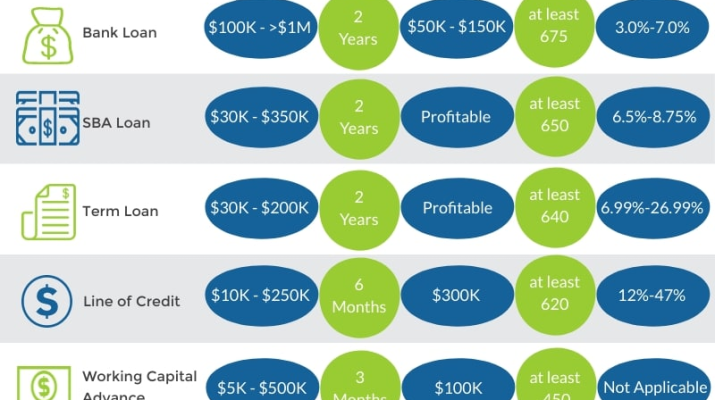
Small business loans are a vital resource for entrepreneurs looking to establish or expand their enterprises. These loans typically provide funds directly to the business owner, which can be used for various purposes, including purchasing inventory, hiring employees, or upgrading equipment. With numerous lenders available, small business loans come in various forms, such as term loans, SBA loans, and lines of credit, each with different terms and repayment plans suited to the needs of the business.
Business grants are another form of financing that does not require repayment, making them a desirable option for many small business owners. These grants are often provided by government programs, non-profit organizations, or private foundations, aimed at fostering local economic development or supporting specific industries. While grants can be highly competitive and often require a detailed application process, they can offer significant financial support without the burden of debt.
Venture debt provides another avenue for funding, primarily targeted at startups and high-growth companies that have already secured equity investment. This type of financing is typically structured as loans that are backed by the company’s assets or future equity, rather than cash flow. Venture debt can help companies extend their runway, allowing them to reach critical milestones before needing to raise more equity funding.
Fintech loans are revolutionizing the small business lending landscape by utilizing technology to streamline the borrowing process. Fintech companies leverage data analytics and alternative credit scoring models to provide faster approvals and more flexible terms than traditional banks. These loans can be obtained through online platforms and often cater to businesses that may not qualify for conventional financing due to limited credit history or cash flow issues.
Government loan programs are designed to support small businesses, particularly those in underserved communities or impacted by economic downturns. These programs, like the Small Business Administration (SBA) loans, often come with lower interest rates and favorable repayment plans. The government backs these loans, which reduces the risk for lenders and encourages them to lend to businesses that might otherwise be overlooked. Overall, these loan programs play a critical role in promoting entrepreneurship and economic growth.
The evolving landscape of business funding reflects a significant transformation in how entrepreneurs seek and obtain financial resources for their ventures. With increasing competition and changing economic conditions, understanding the nuances between funding options such as grants and loans is essential for success. Grants, which have traditionally been seen as a safety net, often come with strict eligibility criteria and are limited in availability. On the other hand, loans, while requiring repayment, offer more immediate financial support and flexibility in utilization, enabling businesses to adapt quickly to their operational needs.
As businesses analyze their funding options, the range of available choices has expanded greatly. Microloans provide necessary capital for small businesses and startups, allowing them to invest in growth without excessive debt. Government loan programs, particularly in response to economic challenges, have become a vital source of funding, ensuring entrepreneurs get the support they need during tough times. Additionally, venture debt has gained popularity as startups favor maintaining ownership while accessing funds for expansion. This shift highlights the importance of diverse financial strategies to address unique business circumstances.
Navigating the decision between grants and loans requires a careful assessment of a company’s current financial situation and future needs. Entrepreneurs should weigh the non-repayable nature of grants against the flexibility and accessibility of loans. The rise of advanced technology through Fintech platforms has transformed the borrowing process, allowing for quicker and more personalized loan approvals. By utilizing innovative algorithms, these companies reduce the complexities associated with traditional lending, making it easier for businesses to secure the funds they need.
To thrive in today’s dynamic market, entrepreneurs need to enhance their financial literacy and stay informed about evolving funding trends. Understanding the implications of taking on debt, including repayment schedules and interest rates, is crucial for sustainable growth. Business owners who actively engage with their financial landscape and continually seek knowledge will not only make better funding decisions but will also increase their chances for long-term success. As the funding landscape continues to shift, those who remain adaptable and proactive will enjoy a competitive advantage. Attracting both loans and grants can create a solid financial foundation, enabling businesses to flourish amid uncertainties.
