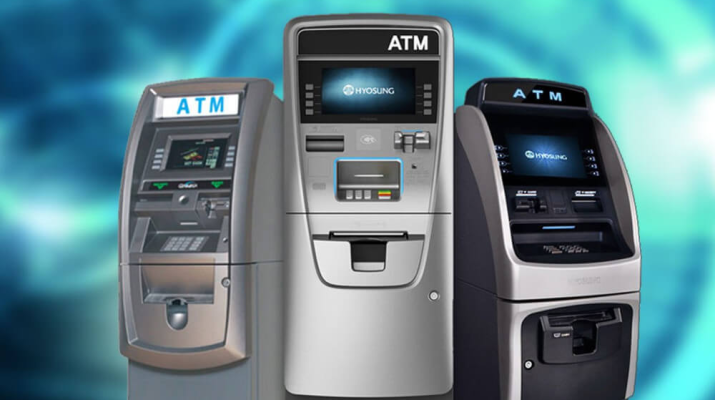
Looking for **ATM machines for sale** can greatly enhance your business’s cash accessibility and profitability. With the rising demand for cash transactions, especially in a post-pandemic world, buying an ATM is more strategic than ever. Not only do ATMs help streamline financial operations, but they also attract more foot traffic, leading to increased customer satisfaction and revenue. This guide will explore critical features you should consider, effective installation tips, and offer a comprehensive ATM purchasing guide to help you choose the best ATM for business. Whether you’re a convenience store owner or manage a bustling hotel, understanding how to select the ideal ATM is essential for success.
When searching for vending machines that dispense cash, also known as cash dispensers or automated teller machines (ATMs), businesses need to be well-informed about their options. These electronic devices serve a crucial role in modern commerce, providing a vital service both to banks and independent establishments. From evaluating the right type of cash withdrawal machines to considering functionality like transaction speed or security features, navigating this market requires careful analysis. If you are entering the realm of ATM acquisition, understanding related concepts such as installation best practices and operational costs can significantly affect your business growth and efficiency.
Applying for a merchant account is a crucial step for businesses looking to accept credit card payments and enhance their payment processing capabilities. The first step in the process is to research and choose a merchant account provider that fits your business needs. Consider factors such as transaction fees, monthly costs, customer service, and integration options with your existing systems. Once you’ve selected a provider, visit their website to begin the application process. Typically, you’ll need to provide basic business information, such as your business name, address, and contact details, along with financial information like your bank account details and average monthly sales. Be prepared to also submit any necessary documentation, such as tax identification numbers or business licenses, to verify your eligibility.
After submitting your application, the merchant account provider will review your business profile and may conduct a credit check to assess risk. This usually takes a few days, but processing times can vary depending on the provider. If approved, you will receive a contract outlining the terms and conditions of your merchant account, including fees and processing limits. Make sure to read this document carefully before signing. Should you have any questions or concerns during the application process, don’t hesitate to reach out to the provider’s customer support team for assistance. To get started with your application, you can directly visit the website of your chosen merchant account provider and follow their step-by-step guidance.
Understanding the Importance of ATM Machines in Business
As more consumers prioritize cash access, businesses are recognizing the essential role of ATM machines. These devices not only facilitate cash withdrawals but also serve as critical assets in enhancing customer service and boosting foot traffic. By installing an ATM, businesses can cater to the demand for cash payments, particularly in high-traffic areas such as malls and tourist hotspots. This strategic investment can drive more customers through the door, ultimately leading to increased sales and profits.
Moreover, the presence of an ATM on your premises can improve customer satisfaction by minimizing their inconvenience in locating nearby cash. A successful ATM installation will provide easy access to funds at all hours, which is especially beneficial for businesses operating late at night or on weekends. Understanding the importance of these machines ensures that business owners can make informed decisions about integrating cash accessibility into their customer service strategy.
Key Features to Consider When Buying ATMs
When exploring ATM machines for sale, there are several key features that should influence your purchasing decision. The processing speed is paramount; a machine that operates efficiently with minimal wait times will enhance user experience significantly. Additionally, incorporating security features such as biometric authentication and anti-skimming technology is crucial for safeguarding customer transactions and maintaining trust.
Another essential feature is the ability of the ATM to handle diverse transactions, including cash deposits and mobile wallet compatibility. Customers increasingly seek convenience, and ATMs that can facilitate varied payment methods will likely attract more foot traffic. Furthermore, evaluating the customer support and maintenance options offered by suppliers can save you from potential downtime, ensuring your machine remains operational and your customers satisfied.
Cost Analysis and Financial Considerations for ATM Purchases
Investing in an ATM involves careful financial consideration. The purchase price can range significantly, and while an initial investment of about $2,000 to $8,000 may seem daunting, it is essential to evaluate the long-term benefits. Transaction fees generated from cash withdrawals can provide a steady revenue stream, often surpassing the initial costs of purchasing the ATM, making it a worthwhile investment.
Furthermore, ongoing operational costs such as maintenance, cash replenishment, and service support must be included in your budget. Analyzing expected cash flow based on local demand for cash transactions can help you project profitability accurately. Such insights will enable you to make informed decisions about which ATM features are most valuable for your business model.
Navigating the Regulatory Landscape for ATM Installation
Compliance with local and federal regulations is a critical aspect of installing an ATM machine. In the U.S., adhering to the Americans with Disabilities Act (ADA) ensures that your ATM is accessible to all customers, including those with disabilities. Failing to comply with these regulations can lead to hefty fines and potential legal issues, which can tarnish a business’s reputation.
Additionally, businesses must also be aware of state-specific guidelines and requirements that pertain to ATM operations. Understanding the regulatory landscape from the outset allows for strategic planning and smooth implementation, fostering a positive customer experience and minimizing the risk of compliance-related challenges.
| Key Aspect | Details |
|---|---|
| Understanding ATM Machines | ATMs serve multiple functions and can increase foot traffic and revenue. |
| Types of ATMs | 1. Stand-Alone ATMs: Independent units popular for their low costs and transaction fees. 2. Bank ATMs: Connected to bank networks with higher costs but enhanced services. |
| Cost Considerations | Costs range from $2,000 to over $8,000 depending on features; consider purchase price, operating costs, and expected cash flow. |
| Key Features | Look for processing speed, security features, and reliable customer support. |
| Compliance and Regulations | Ensure ATMs comply with the ADA and all legal regulations to enhance accessibility. |
| Location Matters | High-traffic locations increase transactions. Ideal placements include malls, bars, and hotels. |
| Choosing the Right Supplier | Reputable suppliers provide warranties, support, and insights on performance. |
| Recent Trends in Technology | Emerging features include mobile wallet compatibility and cryptocurrency transactions to attract tech-savvy customers. |
Summary
ATM machines for sale present an incredible opportunity for businesses aiming to meet the rising demand for cash access in a post-pandemic world. With various types of ATMs available, understanding the differences and features can lead to an optimal choice that enhances customer satisfaction and drives revenue. From evaluating cost implications to ensuring compliance and selecting high-traffic locations for placement, each factor plays a crucial role in the success of an ATM installation. Moreover, partnering with reputable suppliers ensures ongoing support and adaptation to recent technological advancements, setting your business up for sustained growth. Seize the chance to invest in ATM machinery that aligns with your business goals and increases customer accessibility today.
Are you considering investing in ATM machines for sale? With the rise in demand for quick cash access, businesses across the board are recognizing the benefits of having an ATM on their premises. This investment not only provides convenience for your customers but can also yield a significant return through transaction fees. In this guide, we will explore important factors to keep in mind when deciding to buy ATMs, including features, cost considerations, and installation tips. Whether you’re looking for the best ATM for business or seeking an informative ATM purchasing guide, understanding these elements is essential for maximizing your investment.
Many establishments are turning to cash dispensers to enhance customer experience and profitability. Known as automated teller machines (ATMs), these devices not only facilitate cash withdrawals but can also serve as hubs for other banking and financial services. By opting for the right ATM model, businesses can increase foot traffic and satisfaction among customers who prefer cash transactions. In this context, it’s crucial to also consider ATM machine features, compliance with regulations, and effective placement strategies, ensuring that you make a well-informed decision for your company.
Frequently Asked Questions
What are the key features to consider when looking at ATM machines for sale?
When exploring ATM machines for sale, focus on crucial features such as processing speed, security measures (like biometric authentication), and customer support availability. A machine that offers quick transactions, robust security, and reliable maintenance can significantly enhance customer satisfaction and boost your business’s success.
How do I choose the best ATM for my business?
To choose the best ATM for your business, assess your customer needs, preferred features, and budget. Consider stand-alone ATMs for lower costs and transaction fees or bank ATMs for enhanced services. Analyze location traffic, expected cash flow, and operational costs to ensure your investment yields optimal returns.
What should I include in an ATM purchasing guide for my business?
An ATM purchasing guide for your business should include essential topics such as types of ATMs available, cost considerations, key features each ATM offers, compliance with regulations (like ADA), and tips for selecting the right supplier. Understanding these factors will help you make an informed decision on ATM machines for sale.
What tips can I follow for ATM installation at my business location?
For effective ATM installation, choose a high-traffic location to maximize visibility and usage. Ensure compliance with accessibility regulations, and consider security and electrical requirements. Partner with a reputable supplier who can assist with installation and provide ongoing maintenance support for smooth operations.
When considering the purchase of ATMs for business use, it’s essential to evaluate the various factors that will influence your decision. The best ATM for your business will depend on several criteria, including the volume of transactions, your target customer base, and the specific features each machine offers. It’s advisable to research various models and providers to find an ATM that aligns with your business needs and budget.
An ATM purchasing guide can serve as a valuable resource, providing insights into the types of ATMs available on the market. Key factors to consider include transaction fees, maintenance costs, and software capabilities. Additionally, understanding how to properly assess the overall return on investment and how the ATM can enhance customer convenience and business revenue is crucial during the purchasing process.
Once you have selected the right ATM, proper installation is vital to ensure optimal functionality. ATM installation tips include assessing the location for foot traffic, ensuring electrical and internet connections are accessible, and considering security measures to prevent theft or vandalism. It’s also important to comply with local regulations regarding ATM placement and accessibility.
The features of ATM machines can greatly influence their effectiveness for business purposes. Key features to look for include the ability to handle multiple types of transactions (such as cash withdrawal, deposits, and balance inquiries), user-friendly interfaces, and modern security features like encryption and anti-skimming technology. Additionally, consider machines with advertising capabilities, which can allow you to promote services or offers directly to customers while they wait to use the ATM.
ATM machines are a vital addition for many businesses looking to enhance customer convenience and increase foot traffic. Choosing the right ATM for your business involves careful consideration of various factors, including the type of ATM, its features, and the overall costs associated with purchase and operation. With the increasing reliance on cash transactions, especially post-pandemic, businesses can significantly benefit from having an ATM on-site, thus meeting customer needs while simultaneously boosting profitability.
When selecting from the available ATM machines for sale, it’s critical to assess the specific requirements of your target audience and location. Stand-alone ATMs are ideal for establishments like convenience stores and gas stations, where customers primarily seek quick cash access. In contrast, bank ATMs offer a broader range of banking services but often come with higher costs and more complex agreements. Understanding these differences will help pinpoint which machine aligns best with your business’s objectives.
Cost analysis is another crucial component in the ATM purchasing decision. While the initial investment might seem daunting, projecting potential cash flows and transaction volumes can reveal the machine’s long-term profitability. Cost considerations should extend beyond the purchase price to include ongoing operating expenses such as maintenance, cash replenishment, and transaction fees, all of which can affect the ATM’s overall return on investment.
Ensuring that the ATM possesses key features such as quick processing speed, advanced security, and robust customer support is paramount. Customers expect seamless interactions, and a slow or unreliable ATM can lead to dissatisfaction and lost business. Furthermore, compliance with local regulations and accessibility standards like the ADA must not be overlooked, as these aspects not only protect your business from legal ramifications but also cater to a broader audience.
Lastly, choosing a reliable supplier is fundamental to the success of your ATM investment. Trusted brands like Nautilus Hyosung, Genmega, and Triton should be considered for their customer service reputation, warranty offers, and ongoing technical support. Engaging with these suppliers can provide additional insights into the models best suited for your specific business environment, ensuring that you make a well-informed decision that maximizes both customer satisfaction and business revenue.