
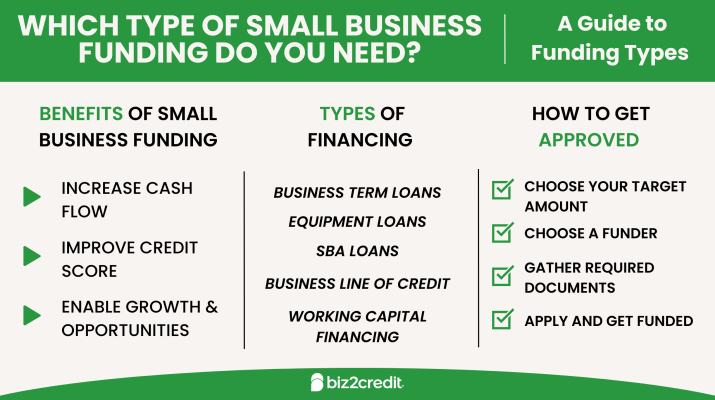
Business funding is a crucial aspect that aspiring entrepreneurs must navigate to transform their innovative ideas into successful ventures. Securing the right financing can significantly influence the trajectory of a startup, determining whether it flourishes or flounders during its formative stages. In this comprehensive guide, we will delve into various funding options, including business loans, venture capital, and business grants, helping you uncover the best strategies to secure the resources necessary for growth. From traditional routes like bank loans to modern crowdfunding strategies that engage a broad audience, the possibilities are vast. By understanding these diverse avenues, new entrepreneurs can strategically position themselves to attract the capital they need and set their businesses on the path to success.
When launching a new enterprise, obtaining financial support is often one of the most challenging hurdles for entrepreneurs. Whether referred to as startup financing, seed funding, or external investment, the need for adequate capital is a common concern. This guide will shed light on an array of alternative funding sources available to entrepreneurs, such as grants, angel investments, and innovative crowdfunding models. Each of these financing strategies plays a critical role in equipping new businesses with the financial backing essential for survival and success. By tapping into the correct funding pathways, entrepreneurs can gain access to vital resources that facilitate their journey towards establishing a flourishing business.
Applying for a merchant account is a crucial step for any business looking to accept credit and debit card payments. The first step in the application process is to choose the right payment processor that meets your business needs. Research different providers and compare their fees, services, and customer support. Once you’ve selected a provider, you’ll need to fill out an application form that typically asks for your business details, including your business structure, tax ID, and financial information. Be prepared to provide documentation such as your business license, bank references, and personal identification to help verify your identity and the legitimacy of your business.
After submitting your application, the processing provider will review your information, which may take anywhere from a few hours to several days. If approved, you will receive your merchant account setup details, including how to integrate the payment processing system with your website or point-of-sale system. It’s important to read all terms and conditions provided by the processor to understand the fees and any additional requirements. For more detailed guidance on the application process and to find a suitable merchant account provider, you can visit the website of industry experts or consult with finance professionals who can advise based on your specific type of business.
Comprehensive Guide to Business Funding Options
When considering the best funding strategies for your new business, it’s essential to explore all available funding options thoroughly. From traditional bank loans to innovative crowdfunding techniques, each method possesses its unique advantages tailored to various entrepreneurial needs. Traditional bank loans may benefit entrepreneurs with strong credit histories. In contrast, modern options like crowdfunding allow new entrepreneurs to raise capital based on public interest in their product offerings. A comprehensive understanding of these diverse funding options can help you strategize effectively for your unique business goals.
Business grants are another funding avenue worth exploring, offering financial resources without the burden of repayment. While competitive, grants can come from government programs or private organizations, targeting businesses in various industries. Meanwhile, venture capital and angel investors present enticing opportunities for tech startups and high-growth potential businesses. By preparing a solid pitch and showcasing your business model, you can entice these investors to support your venture. By diversifying your funding approach, entrepreneurs can increase their chances of finding the right financial backers.
Maximizing Opportunities Through Networking and Industry Connections
Networking is a powerful tool for entrepreneurs seeking business funding. Building relationships with industry leaders and potential investors can unlock new funding opportunities. Attending industry events like conferences and workshops can provide a platform for personal engagement, making it easier to establish rapport with potential investors. Personal connections often lead to improved chances of securing funding, as investors typically prefer to fund people rather than just ideas.
In addition to in-person networking, leveraging online platforms like LinkedIn is crucial in today’s digital environment. Regularly engaging with your audience—be it industry experts or potential funders—can create additional visibility for your business. Sharing relevant content and participating in conversations can position you as an expert, piquing interest from potential investors. By blending offline networking with online strategies, you can significantly enhance your funding prospects.
Effective Crowdfunding Strategies for New Ventures
Crowdfunding has emerged as a viable alternative for startups looking to raise capital. Platforms such as Kickstarter and Indiegogo allow entrepreneurs to pitch their ideas to a global audience, often resulting in substantial financial backing. Successful crowdfunding campaigns hinge on thorough preparation and execution. Engaging visuals, compelling storytelling, and strong marketing strategies are essential in order to attract potential backers.
Moreover, utilizing social media to promote your crowdfunding campaign can enhance visibility and credibility. Regular updates and interaction with supporters build community engagement, encouraging more individuals to contribute. Entrepreneurs must remain cognizant of their project’s appeal to ensure sustained interest throughout their campaign’s duration. By applying these successful crowdfunding strategies, new entrepreneurs can effectively secure the necessary funds to propel their ventures forward.
The Importance of a Solid Business Plan in Securing Funding
Crafting a robust business plan is crucial for entrepreneurs seeking funding, as it serves as a roadmap to success while instilling confidence in potential investors. Essential components of a solid business plan include an executive summary, comprehensive market analysis, and detailed financial projections. Investors want to know not just your business idea but also the industry landscape, target customers, and how you anticipate achieving profitability over time.
Moreover, including a detailed marketing and sales strategy in your business plan demonstrates that you have a clear idea of how to reach your customers effectively. A transparent organization chart can also affirm that you possess the right management team to execute the business model. By thoughtfully constructing your business plan, you position yourself favorably in front of a diverse array of funding sources.
Leveraging Digital Presence for Business Growth
Establishing a strong digital presence is more important than ever for new entrepreneurs seeking business funding. A professional website showcases your business narrative, product offerings, and value proposition to potential investors. Having an online portfolio allows you to present your business in a structured manner, making it easier for funders to assess the viability of your venture.
Additionally, engaging on social media platforms can amplify your reach, create market buzz, and validate your business concept. Consistent updates and interactions with your audience build trust and loyalty, signaling to investors that there is a demand for what your business provides. By effectively using digital tools, entrepreneurs can broaden their funding potential and enhance their overall market presence.
Understanding the Role of Grants in Business Funding
Grants can be a critical component of a diversified funding strategy for entrepreneurs. Unlike loans, these funds do not require repayment, making them an attractive option for many new businesses. Various organizations, including governmental agencies and private foundations, offer grants targeted at specific sectors or initiatives. However, the competition for these funds can be stiff, requiring entrepreneurs to thoroughly research available grants and align their business models with the objectives of the grant providers.
When applying for grants, entrepreneurs should prepare detailed proposals that highlight their projects’ societal or economic impacts. A compelling application will not only outline the business plan but also articulate how the funds will contribute to the objectives of the grant, enhancing the prospect of success. By incorporating grants into their funding strategies, startups can secure non-dilutive capital to drive their growth while minimizing financial risk.
Strategic Use of Incubators and Accelerators
Incubators and accelerators provide valuable resources and support for startups looking to secure funding and grow their businesses. These programs often include mentorship, networking opportunities, and seed capital in exchange for equity stakes. Joining an incubator or accelerator can position entrepreneurs for increased visibility and funding opportunities, as many programs are well-connected within the investment community.
Entering these environments can also provide founders with access to resources that enhance their business acumen. The blend of education and practical application enables entrepreneurs to refine their pitches and business models before approaching potential investors with more confidence. By strategically aligning with incubators and accelerators, startups can tap into a wealth of resources to propel their ventures toward success.
Emerging Trends Shaping Business Funding
Staying abreast of emerging trends can position entrepreneurs favorably when seeking funding. Investors increasingly prioritize Environmental, Social, and Governance (ESG) factors, as the importance of sustainable practices gains traction. Aligning your business model to incorporate ethical practices can attract a wider range of funding opportunities, as many investors now focus on supporting ventures that contribute positively to society.
Another trend influencing funding strategies is the rise of hybrid funding models that combine elements of both equity and debt. These innovative structures appeal to a diverse pool of investors seeking risk-mitigated investment opportunities. Understanding these trends can enable entrepreneurs to tailor their proposals to the evolving interests of the investment community, enhancing their chances of securing necessary funds.
Developing Financial Literacy for Entrepreneurs
For new entrepreneurs, developing financial literacy is essential in navigating the complex funding landscape. A solid understanding of financial terminology and principles will empower business owners to engage confidently in negotiations with potential investors and lenders. Awareness of financial projections, cash flow management, and budgeting can dramatically impact a startup’s ability to secure funding effectively.
Moreover, possessing strong financial knowledge aids entrepreneurs in making informed decisions about which funding sources to pursue based on their specific needs and goals. This insight not only improves the likelihood of successful fundraising but also enhances overall business management. As such, investing time in financial literacy can create a solid foundation for sustainable business development.
| Funding Option | Description | Pros | Cons |
|---|---|---|---|
| Traditional Bank Loans | Loans from banks requiring good credit and collateral. | Stable source of funding, lower interest rates. | Rigorous application process, requires repayment. |
| Personal Savings & Friends/Family | Using personal funds or support from family and friends. | Quick access to capital, less formalities. | Risking personal relationships, limited amounts. |
| Venture Capital & Angel Investors | Investment from individuals or firms for equity stakes. | Access to significant funding and mentorship. | Potential loss of control over the business, high expectations. |
| Crowdfunding | Raising small amounts of money from a large audience online. | Validates business idea, engages future customers. | Requires effective marketing and may be competitive. |
| Grants | Funds provided by government or organizations not requiring repayment. | No repayment obligation, ideal for startups. | Highly competitive application process, limited availability. |
Summary
Business funding is essential for new entrepreneurs looking to launch and grow their ventures. Understanding the various funding options available, such as traditional loans, personal savings, venture capital, crowdfunding, and grants, empowers entrepreneurs to make informed decisions. Each method comes with its own set of advantages and challenges, and a well-prepared business plan can significantly enhance the chances of securing funding. By incorporating effective networking strategies, leveraging digital presence, and staying attuned to market trends, entrepreneurs can optimize their approach to funding. Ultimately, securing adequate business funding is pivotal for turning entrepreneurial dreams into reality.
Business funding serves as the lifeblood for new ventures, playing a crucial role in the establishment and growth of successful enterprises. Entrepreneurs often face the challenge of identifying the right funding options to suit their unique needs, whether through traditional business loans, venture capital, or innovative crowdfunding strategies. Understanding the variety of business grants available can significantly enhance an entrepreneur’s chances of securing essential financing. Each funding avenue has distinct requirements, making it imperative for startups to tailor their approach confidently. By exploring these options and preparing a solid business plan, entrepreneurs can set themselves up for success in today’s competitive landscape.
Securing financial support for a startup is often referred to as obtaining capital for new enterprises, a topic that encompasses various methods and resources. Whether it’s leveraging private investments or seeking non-repayable funding through grants, understanding these financial pathways can empower aspiring business owners. Alternative financing strategies such as equity funding, angel investments, and innovative financing methods like crowdfunding have become prevalent in recent years. Exploring all available financial resources can allow entrepreneurs to launch their ventures with confidence, ensuring they have ample backing to meet their initial targets. This comprehensive guide aims to demystify the myriad of financial instruments available to equip new entrepreneurs with the knowledge they need to succeed.
Frequently Asked Questions
What are the best funding options for startups looking for business funding?
When seeking business funding, startups have several viable options, including traditional bank loans, personal savings, and venture capital. Traditional loans often require a strong credit rating; personal savings can provide quick access to funds; and venture capitalists offer larger investments in exchange for equity. Additionally, crowdfunding platforms and business grants are gaining popularity as they allow entrepreneurs to raise funds directly from the public, often without the need for repayment.
When starting or expanding a business, understanding funding options is crucial. Entrepreneurs often face the challenge of selecting the right financing method to ensure their venture thrives. Various funding options cater to different business needs, timelines, and levels of control for the founders. It’s essential to assess the unique circumstances surrounding your business, including its size, industry, and growth potential, when exploring these different avenues.
Business grants are an attractive funding option for many entrepreneurs as they offer financial support that does not require repayment. Grants are typically issued by government entities, foundations, or nonprofit organizations aimed at fostering economic development, innovation, or specific industry growth. However, securing a grant often involves a competitive application process, and businesses must demonstrate how their project aligns with the grant’s objectives. Understanding eligibility criteria and preparing a compelling proposal can significantly improve the chances of obtaining grant funding.
Venture capital represents another significant funding option for startups seeking substantial financial backing. This strategy involves private equity investment firms that provide funds in exchange for equity in the business. Venture capitalists often look for companies with high growth potential, and they typically add value not just through monetary investment but also by providing strategic guidance and networking opportunities. Entrepreneurs considering venture capital should be prepared to pitch their business model and demonstrate how they can achieve rapid growth.
Crowdfunding strategies have gained popularity in recent years as an alternative way to raise capital, particularly for small businesses and startups. Platforms like Kickstarter, Indiegogo, and GoFundMe allow entrepreneurs to present their projects to the public and receive funding from individuals who believe in their vision. Crowdfunding can also serve as a marketing tool, generating buzz around a product before it even hits the market. Successful campaigns usually require compelling storytelling and effective outreach to engage potential backers.
Business loans are a traditional yet widely-used method of obtaining funding. Banks and financial institutions offer various loan products tailored to business needs, including term loans, lines of credit, and SBA loans. While loans provide necessary capital, they require borrowers to repay the principal amount plus interest, often starting immediately. Businesses must demonstrate their ability to repay the loan through solid financial records and a robust business plan. Understanding the terms of a loan and carefully assessing repayment capabilities is vital to avoid financial strain.
Obtaining business funding is a fundamental step in launching a successful enterprise. As an entrepreneur, understanding the diverse funding options available is crucial to navigate this complex landscape effectively. Traditional bank loans, for instance, offer relatively low-interest rates and structured repayments, making them a solid choice for those with good credit and collateral. However, prospective borrowers should be aware of the extensive documentation and thorough review process involved in securing such loans. On the other hand, personal savings or support from friends and family can provide immediate capital; this route, while less formal, can lead to difficult personal situations if the business struggles. Understanding these intricacies helps entrepreneurs make informed decisions about which funding sources align best with their goals and circumstances.
In the pursuit of funding, developing a comprehensive business plan is paramount. This critical document articulates the business vision, targets, and financial trajectory, aiming to convince potential investors of the venture’s viability. An effective business plan should include an executive summary highlighting key aspects of the business, a robust market analysis showcasing industry potential, and clear financial projections that demonstrate the ability to repay loans or deliver returns on investments. These elements help instill confidence in lenders and investors alike and serve as a roadmap for the business itself. By prioritizing detailed planning, entrepreneurs can position their businesses favorably in the competitive funding landscape.
Networking plays a vital role in uncovering potential funding opportunities. Entrepreneurs should actively engage in industry events and leverage both in-person meetings and online platforms like LinkedIn to cultivate meaningful relationships with potential investors and like-minded peers. These connections can lead to opportunities that might not be accessible through traditional funding avenues. Furthermore, maintaining an active digital presence through a professional website and social media channels can enhance visibility and credibility, thereby attracting both interest and investment. By fostering strong networks and continuously building an online brand, entrepreneurs can significantly increase their chances of accessing the necessary funding to propel their ventures forward.
In recent years, incubators and accelerators have emerged as compelling options for entrepreneurs seeking early-stage funding. These programs often provide not only financial support but also invaluable mentorship and resources, enabling startups to refine their business models and strategies. By participating in such programs, aspiring business owners can benefit from the expertise of seasoned professionals and established networks, enhancing their chances of securing additional funding down the line. Moreover, keeping up with recent trends, such as the growing focus on Environmental, Social, and Governance (ESG) principles and diverse financing structures, can be crucial for attracting modern investors. By integrating these considerations into their business approach, entrepreneurs can better align with investor expectations and cultivate sustainable growth.
