
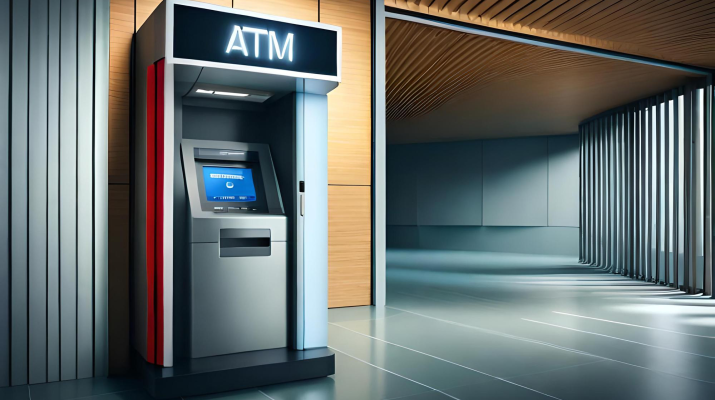
Choosing ATM machines is a crucial aspect of enhancing financial services in your area, as these devices provide easy access to cash and banking functions. With various options available, selecting the best ATM for location can significantly influence customer traffic and satisfaction levels. In this ATM selection guide, we will delve into key considerations such as ATM services offered, security features that protect users, and the cost of ATMs to ensure a wise investment. Whether you are a business owner or a financial institution, understanding these elements can help determine which ATMs will effectively meet the needs of your community. Join us as we explore these essential aspects to make informed decisions about your ATM selections.
When it comes to automated teller machines, understanding how to pick the right one for your needs is essential. Known as cash dispensers or cash machines, these devices are pivotal in facilitating convenient banking access. The functionality offered by each unit can vary greatly, from simple cash withdrawal capabilities to more advanced features like bill payment options and contactless transactions. As you consider these options, factors such as location suitability, enhanced security measures, and overall operating expenses come into play. Knowing the ins and outs of ATM procurement can lead to better service delivery and higher satisfaction among users.
Applying for a merchant account is a crucial step for businesses that want to process credit card and digital payments. To begin, you’ll need to gather essential information about your business, including legal documents (like your business license and tax ID), financial statements, and the projected monthly sales figures. Once you have this information ready, you can approach various payment processors or banks that offer merchant accounts. Many of them provide online applications, making the process more straightforward. Ensure you compare features such as transaction fees, customer support, and the types of payments accepted between different providers to select the one that aligns best with your business needs.
After selecting a provider and completing the application, the next steps usually involve a review process where the payment processor evaluates your application based on their underwriting criteria. This can take anywhere from a few hours to several days. If approved, you will receive your merchant account details, including the payment gateway and the equipment needed for processing cards. It’s in your best interest to ask your provider about the setup process and follow-up on any required training for using the system. For more detailed information on applying for a merchant account, you can visit online resources like the Electronic Transactions Association (ETA) or your chosen payment processor’s website.
Understanding the ATM Selection Guide
Selecting the right ATM is a complex process that requires careful consideration of numerous factors, collectively known as the ATM selection guide. This guide encompasses various aspects such as the type of ATM, its location, and the services it offers to potential users. A thorough assessment of these factors not only ensures that the ATM meets community needs but also maximizes its usage and profitability. You’re not just choosing a machine; you’re making a long-term investment that can significantly affect your business’s bottom line.
Moreover, the ATM selection guide also addresses crucial elements like transaction compatibility, maintenance requirements, and customer service options. A well-rounded approach to selecting ATMs can lead to improved user satisfaction, as the right machine will deliver the desired features and functionalities that the customer base desires. Therefore, keeping the guide handy while making your decision is vital for striking a balance between cost and customer engagement.
Key Factors in Choosing ATM Machines
When it comes to choosing ATM machines, several key factors must be assessed to ensure their success in your chosen location. First and foremost, understanding your target demographic can influence which type of machine and features will be most appealing. For instance, areas with a high volume of tourists may benefit from multilingual support in ATMs, whereas locales populated by tech-savvy users could favor machines with advanced functionalities like mobile banking integration.
Additionally, security features play a critical role in choosing ATM machines. Modern consumers are increasingly concerned about fraud and skimming, leading to a preference for ATMs that offer biometric verification and enhanced encryption protocols. By prioritizing safety and security in your choice of ATM, you will not only foster customer trust but also comply with industry regulations, creating a win-win situation for your business and customers.
Evaluating the Cost of ATMs
Understanding the cost of ATMs is pivotal in your decision-making process, as it encompasses several financial factors beyond just the purchase price. Installation costs can vary significantly based on equipment type and the complexity of site requirements, making it crucial to perform an economic analysis before making a decision. Moreover, ongoing maintenance fees present another layer of expenses that can impact your return on investment over time.
Transaction fees also contribute to the overall cost structure of operating an ATM. While independent ATMs often allow for more flexible fee structures, those associated with banks may come with different financial arrangements. Evaluating these costs against expected revenue, particularly based on location demographics and traffic patterns, can provide valuable insights into the long-term profitability of your ATM investment. A nuanced understanding of these financial elements ensures you make an informed decision that optimally aligns with your business strategy.
Enhancing ATM Security Features
Security features are essential when selecting an ATM, as they not only serve to protect customers but also safeguard your business from potential losses. Implementing advanced security measures, such as anti-skimming devices and biometric authentication, can significantly reduce risks associated with unauthorized access and fraud. Customers are more likely to use ATMs that they perceive as secure, which can ultimately drive higher transaction volumes for your machine.
Additionally, the integration of secure transaction protocols ensures that all banking activities are compliant with industry regulations, further enhancing customer confidence. Investing in ATMs that boast robust security features demonstrates a commitment to consumer safety, which can strengthen your brand loyalty. Thus, meticulous evaluation of security measures should be a key component in your selection process to not only protect the user but also foster a favorable business reputation.
| Factor | Details |
|---|---|
| Types of ATMs | Bank-Owned ATMs are managed by financial institutions, providing trust and security. Independent ATMs can offer higher profits but may lack trust among users. |
| Location Considerations | ATMs should be placed in high-foot traffic areas, with demographic considerations impacting usage preferences. |
| Services Offered | Additional services like bill payments and mobile features can attract more users, with contactless transactions gaining prominence. |
| Security Features | Key features include anti-skimming devices, biometric verification, and secure transaction protocols to enhance user safety. |
| Technical Support | Strong service agreements are crucial to minimize operational issues and ensure customer satisfaction. |
| Cost Considerations | Factors such as installation, maintenance fees, and transaction fees can significantly impact profitability. |
| Legal Compliance | Awareness of local regulations, licensing, and operational restrictions is vital for successful ATM operation. |
Summary
Choosing ATM machines requires a comprehensive understanding of various critical factors to optimize your location’s banking services. Successful ATM selection hinges on evaluating the type of ATM needed—whether bank-owned or independent, considering location traffic and demographics, and understanding the array of services and security features available. Moreover, assessing ongoing costs and ensuring compliance with legal standards are paramount in implementing an effective ATM strategy. As the landscape of consumer needs continues to evolve, staying ahead with technological advancements in ATM machines will enhance user experience and operational efficiency.
Choosing ATM machines is a critical decision that can greatly influence the success of cash access points in your area. With the proliferation of automated teller machines, understanding how to effectively select the best ATM for location is essential for maximizing customer engagement and revenue. This ATM selection guide will delve into various factors from security features to service offerings, ensuring that you invest wisely in ATM services tailored to your community’s needs. Moreover, the cost of ATMs, including installation and maintenance, will also play a key role in your decision-making process. As we explore these considerations, you’ll gain valuable insights to help navigate the often-complex landscape of ATM deployment.
When it comes to automated teller machines (ATMs), the process of determining which unit fits best in a specific location is vital. Selecting suitable cash dispensers involves understanding the range of features, benefits, and operational costs associated with them. Factors such as service variety, location foot traffic, and the latest security measures are crucial in evaluating available options. Additionally, assessing the financial implications of each choice will ensure you make a sound investment. This comprehensive guide will provide insights into all aspects of ATM integration, making it easier to connect with your customer base effectively.
Frequently Asked Questions
What factors should I consider in my ATM selection guide?
When creating your ATM selection guide, focus on factors like location traffic volume, demographics of potential users, services offered (like bill payments or cryptocurrency options), and essential security features such as anti-skimming devices. Each of these elements plays a crucial role in ensuring the successful operation of your ATM.
How do I determine the best ATM for my location?
To find the best ATM for your location, analyze foot traffic patterns, consider the demographics of your target audience, and evaluate the types of services your ATM should provide. Additionally, assess security features and ongoing maintenance costs to ensure your ATM meets both user needs and operational standards.
What are the key ATM security features to look for?
When choosing ATM machines, prioritize security features like anti-skimming devices, biometric verification systems, and secure transaction protocols. These elements are vital in protecting users from fraud and ensuring compliance with industry security standards.
What is the cost of ATMs and how can it impact my decision?
The cost of ATMs encompasses installation costs, ongoing maintenance fees, and transaction processing fees. When selecting an ATM, it’s essential to conduct a cost-benefit analysis to predict long-term profitability and ensure that the ATM’s costs align with expected revenue from usage.
When it comes to choosing an ATM, several factors come into play that can influence your decision. First and foremost, consider locating an ATM that is conveniently situated. Choosing an ATM based on your usual routes or proximity to frequently visited places like stores, banks, or gas stations can save you time and make withdrawing cash much easier. Additionally, sources like local bank branches or those affiliated with large networks may provide better service reliability and minimize potential fees.
The best ATM for a specific location can vary based on several criteria, including user experience, transaction fees, and withdrawal limits. ATMs owned by major banking institutions often offer the lowest fees, especially for account holders. Always check if the ATM is backed by networks such as Allpoint or MoneyPass, as these can grant access to surcharge-free withdrawals.
When considering ATM services, it’s essential to evaluate what functions the machine offers. Many ATMs provide beyond just cash withdrawals—services may include balance inquiries, bill payments, money transfers, and mobile top-ups. Choosing an ATM that fulfills a variety of financial needs can streamline the banking process, allowing you to handle multiple transactions in one trip.
ATM security features are crucial in today’s banking environment. Look for ATMs equipped with advanced security measures such as EMV chip technology, encryption for transactions, and surveillance cameras for monitoring. Consider using ATMs located in well-lit, busy areas and prefer those installed by reputable banks and financial institutions to ensure you’re using a secure machine.
The cost of ATMs can differ substantially based on factors like location, transaction types, and whether the ATM is bank-owned or part of a private network. Bank ATMs typically charge lower fees for customers with accounts at that bank, while out-of-network ATMs can impose significant transaction fees. It’s worthwhile to compare costs by checking fee disclosures at ATMs before initiating a transaction to avoid unexpectedly high charges.
Choosing the right ATM machine for your location is not a trivial task; it requires a comprehensive understanding of both the technology and the market dynamics at play. ATM technology has evolved significantly over the years, leading to various types of machines that cater to diverse consumer needs. At the forefront are advanced features like cash recycling, which allows ATMs to accept deposits and dispense cash, increasing their utility. When considering your options, it’s vital to explore the different functionalities offered by various models, as some machines may include additional services like the ability to print receipts or provide account balance information. Each of these features can enhance customer engagement and satisfaction, making the ATM more appealing to users.
Furthermore, understanding the surrounding environment where the ATM will be placed is crucial. For instance, the proximity to other businesses, as well as the type of establishments nearby, plays a significant role in determining foot traffic. High-traffic areas with a diverse customer base, such as transportation hubs or universities, can lead to higher transaction volumes. Conducting a competitive analysis of existing ATMs in the vicinity will also provide insights into what services are already available and how your ATM can differentiate itself, perhaps by incorporating more modern features or flexible hours of operation, thus catering to the needs of your target demographic.
Another key consideration lies within the security features of the ATM. In an era where financial fraud is increasingly sophisticated, investing in ATMs equipped with the latest security technologies can protect both the ATM operator and the users. For instance, ATMs that utilize encrypted communications ensure that transaction data remains safe from interception. Additionally, investing in surveillance cameras not only deters criminal activity but also aids in addressing incidents quickly should they arise. By prioritizing robust security measures, you instill confidence in your customers, which can lead to increased usage of your ATM.
Finally, it’s essential to take a holistic view of costs associated with ATM operation. Beyond the initial purchase and installation, analyzing ongoing costs such as transaction fees and maintenance should guide financial projections. Comparing multiple vendors and obtaining detailed quotes can illuminate which options will yield the best long-term profitability. Furthermore, taking into account potential revenue streams from transaction fees or advertising can enhance your business model, ultimately making your ATM an asset rather than a liability. This thorough understanding of both operational and market factors will set the foundation for successful ATM deployment.
