
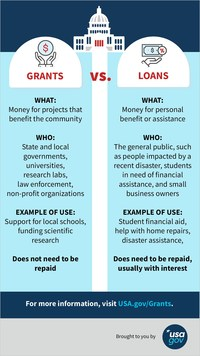
When it comes to navigating the world of business funding options, understanding the differences between **grants vs. loans** is crucial for entrepreneurs. With numerous avenues available, both grants and loans offer unique advantages and challenges that can significantly impact the success of a new venture. Grants, often coming from government agencies or non-profits, provide funds that don’t require repayment, making them an attractive choice for many small business owners. Conversely, business loans allow access to capital with the responsibility of repayment, providing a different financial structure for startups. This article delves into the key distinctions, ensuring that entrepreneurs can make informed choices while exploring funding for their startups.
In the dynamic realm of financing, entrepreneurs often find themselves weighing the pros and cons of different types of funding, commonly referred to as financial aid for businesses. Among these options, non-repayable awards known as grants offer an enticing benefit for those aiming to innovate without the burden of debt. On the other hand, loans present a viable alternative—providing prompt access to necessary funds with the understanding that repayment will be expected over time. Understanding these two funding mechanisms is essential for new business owners seeking tailored financial support that meets their unique needs and goals.
Applying for a merchant account involves several straightforward steps that any business owner can follow. First, you need to research different merchant service providers to find one that fits your business needs. Consider factors such as transaction fees, monthly fees, customer support, and features offered, such as mobile payment processing and POS systems. Once you have selected a provider, you will typically need to complete an online application form, which generally requires details about your business, including your business structure, estimated monthly sales volume, and the types of products or services you offer. Be prepared to provide documentation such as your business license, tax ID number, and possibly financial statements to confirm your credibility as a merchant.
After submitting your application, the merchant service provider will review it and may conduct a background check, which often includes verifying your credit score and checking for any legal issues. If everything checks out, you will receive an approval notification, and your merchant account will be set up. Make sure to read through the terms and conditions to understand your obligations, especially regarding fees and settlement timelines. If you need assistance or have questions during the application process, do not hesitate to reach out to the provider’s customer support team for guidance. For more detailed information on how to apply for a merchant account, you can visit [example-merchant-services.com](http://example-merchant-services.com). This site offers a wealth of resources, including step-by-step guides and comparative reviews of the best merchant service providers.
Grants vs. Loans: Making the Right Choice for Your Business
When it comes to securing financial backing for a new business, the debate between **grants vs. loans** is a pivotal consideration for entrepreneurs. Grants are appealing as they do not require repayment, offering an edge over loans, which entail borrowing money that must be paid back with interest. However, the competitiveness of grants can pose a significant hurdle since many businesses compete for limited funding. Entrepreneurs need to clearly understand their business model, funding requirements, and the timeline they are operating under to make an informed decision.
On the other hand, loans can provide quick access to essential funds, especially for small businesses that need immediate capital to jumpstart operations or seize market opportunities. Unlike grants, loans require a clear repayment plan, which necessitates careful financial analysis. Entrepreneurs must weigh the cost of interest against the benefits of funding when considering loans. Ultimately, the choice between these two funding options hinges on the business’s financial strategy and growth objectives.
The Rise of Grants for Small Businesses in 2023
As small businesses blossom in 2023, there’s been a remarkable increase in the availability of **small business grants**. Various funding organizations and government entities are prioritizing grants to foster innovation and support minorities, women, and venture projects that promise social overhaul and community development. This upward trend is a response to a tumultuous economic landscape that seeks to empower budding entrepreneurs with the necessary resources. Small business grants can open doors to unique investments that may otherwise be unattainable through traditional financing.
Nevertheless, acquiring these grants often requires considerable commitment in terms of time and effort. Applicants must submit well-crafted proposals detailing their project’s potential impact, financial planning, and alignment with the goals of the grantor. Thus, while the landscape of funding for startups becomes increasingly favorable, it necessitates that entrepreneurs be prepared for rigorous application processes to successfully secure these invaluable resources.
Assessing the Loan Landscape Amid Economic Changes
The loan landscape for small businesses is undergoing notable shifts, primarily influenced by economic changes such as inflation and rising interest rates. In late 2023, these conditions have made borrowing costs higher, compelling entrepreneurs to analyze their cash flow more meticulously. Unlike grants, which can boost entrepreneurial ventures without the weight of repayment, loans require careful consideration of interest rates and repayment capabilities, creating a more cautious climate for borrowing.
Entrepreneurs must be strategic in determining the type of loan suitable for their business model, whether through traditional banks or alternative online lending platforms. Quick access to cash can be crucial in a volatile market, yet the obligations tied to loans mean that businesses must have a solid repayment plan in place. This ongoing evaluation of loan options reflects the dynamic nature of **business funding options**, urging businesses to adapt their strategies to remain financially healthy.
Pros and Cons of Grants for New Entrepreneurs
Grants represent a favorable funding option for new entrepreneurs, primarily due to the significant advantage of not requiring repayment. This non-repayable funding facilitates the exploration of innovative ideas without the financial stress of owing money. Grants are particularly advantageous for startups focusing on technology, sustainability, or community benefits, as they can leverage this funding to enhance their projects without compromising equity or accumulating debt.
However, the journey to acquiring grants is fraught with challenges. The competitive nature of grant funding means that many applications vie for a limited number of resources, making it imperative for entrepreneurs to submit compelling proposals. Additionally, the application process for securing a grant can be time-consuming and nuanced, often involving criteria that must be meticulously followed to qualify. Aspiring businesses must therefore balance the alluring potential of grants with the realities of securing this funding.
Understanding the Loan Process for Small Business Funding
Navigating the loan process is essential for small businesses seeking to secure vital funding. Loans provide quick access to capital that can help in covering both immediate operational expenses and long-term projects. Unlike grants, which can take time to secure, loans can often be processed more rapidly, providing entrepreneurs with the funds they need when they need them most. However, obtaining a loan entails more than just paperwork; it involves a thorough assessment of the business’s creditworthiness and financial health.
Moreover, understanding the various types of loans available—such as term loans, lines of credit, and small business loans—can significantly impact the overall success of an entrepreneur’s financial strategy. Each loan type has its own set of terms and conditions, interest rates, and repayment structures that must align with the business’s operations and cash flow capabilities. Therefore, entrepreneurs must engage in extensive research and potentially seek advice to select the loan that supports their business goals effectively.
Evaluating the Current Trends in Business Funding
In the current market, understanding the latest trends in **business funding options** is crucial for new entrepreneurs looking to position themselves strategically. There’s a visible shift toward more resources being made available for grants, particularly in light of the government’s efforts to encourage economic recovery and support innovation across various sectors. As public and private grants proliferate, they serve as a vital lifeline for many small businesses that may struggle to qualify for loans.
Simultaneously, the volatility of interest rates is creating a more complex landscape for loans. As interest rates climb, lenders begin to enforce stricter requirements, which can hinder access to necessary funding for some entrepreneurs. Successfully navigating these trends requires an adaptive approach, where businesses must stay informed and agile to seize available opportunities in grants or make informed decisions when considering loans.
Potential Changes in Grant Programs
As grant programs evolve to meet the demands of the changing economic landscape, there is an increasing focus on tailoring funding to address specific sectors and demographics, providing targeted support where it’s most needed. For instance, programs aimed at underrepresented communities and innovators in technology have gained traction, reflecting a societal push toward equality and diversity in entrepreneurship. The ongoing adaptation of grant programs is indicative of a broader financial ecosystem that recognizes the importance of inclusive funding paths.
These targeted grant opportunities open the door for entrepreneurs with missions that align closely with funding agendas. By effectively communicating their business’s vision and potential impact, entrepreneurs stand a better chance of securing these crucial funds. However, remaining abreast of new grant offerings or changes to existing programs demands vigilance and active participation in entrepreneurial networks.
Alternative Financing Options for Startups
In addition to grants and loans, startups may explore alternative financing options that can provide financial support without traditional obligations. Crowdfunding has emerged as a popular alternative, allowing entrepreneurs to tap into community support for their projects. This method not only raises funds but also fosters a sense of loyalty and investment from potential customers or supporters, making it a viable avenue for businesses seeking to validate their ideas before launch.
Peer-to-peer lending is another option gaining ground, where platforms connect individual lenders with borrowers, often at more favorable terms than traditional banks. This decentralized approach can offer flexibility in repayment schedules and interest rates, appealing to entrepreneurs who need funds but may not fit the rigid criteria of conventional financing. Exploring these alternative avenues allows startups to diversify their funding sources, reducing reliance on any single type of financial backing.
The Importance of Financial Education for Entrepreneurs
Understanding the intricacies of business funding options, including grants and loans, underscores the importance of financial education for entrepreneurs. Equipped with the right knowledge, business owners can make astute decisions about the funding sources best aligned with their goals. Financial literacy empowers entrepreneurs to evaluate the viability of grants and loans, assess their application’s requirements, and understand the implications on their company’s future.
Furthermore, ongoing education about financial management can help entrepreneurs navigate the complexities of cash flow management, budgeting for loans, and the strategic use of grant funding. In an environment where the stakes are high and competition is fierce, continuous learning in financial topics can equip entrepreneurs with the tools needed to succeed and adapt in the ever-evolving world of business.
| Aspect | Grants | Loans |
|---|---|---|
| Definition | Non-repayable funds from government or organizations | Borrowed funds that must be repaid with interest |
| Pros | – No repayment required – Promotes innovation – Accessible for specific groups |
– Easier to secure for established businesses – Faster access to funds – Predictable payment schedules |
| Cons | – Highly competitive – Lengthy application process – Restrictions on use of funds |
– Debt obligation – Interest payments – Potential collateral requirements |
| Current Trends | – Increased availability post-pandemic – Focus on technology and minority enterprises |
– Rising interest rates influencing access and costs |
Summary
Grants vs. Loans represent two pivotal funding options for new businesses, each with its unique advantages and challenges. Grants offer the enticing benefit of non-repayment, making them highly desirable for entrepreneurs, especially in innovation-driven sectors. However, the competitive nature and extensive application processes can deter many applicants. Conversely, loans provide quicker access to necessary funds, yet come with the pressing obligation of repayment, potentially burdening a new business’s finances. Understanding these nuances is vital for entrepreneurs in making informed funding decisions that align with their business goals and financial health.
In the world of business funding options, **grants vs. loans** stands out as a pivotal topic for entrepreneurs seeking financial support. Both grants and loans present unique opportunities and challenges when it comes to acquiring capital for new ventures. As small businesses establish their footing in competitive markets, understanding the distinctions between these funding avenues is essential for making strategic financial decisions. This article delves into the nuances of business loans and small business grants, providing clarity on which option might best suit your startup needs. By exploring these two popular forms of funding, entrepreneurs can uncover the right pathway to financial success.
When embarking on the journey of launching a startup, understanding the various funding alternatives—such as financial aid without repayment versus traditional borrowing—is crucial. The choice between monetary gifts, often provided by government entities or private organizations, and conventional loans that require eventual repayment shapes the financial strategy of new enterprises. Entrepreneurs must consider elements like eligibility criteria and application processes, as both financial aid packages and borrowing options have their merits and limitations. Here, we examine these diverse financial resources, offering insights into how startups can navigate the complex landscape of securing vital capital for growth.
Frequently Asked Questions
What are the key differences between grants and loans for small business funding?
Grants and loans represent two distinct business funding options. Grants are non-repayable funds awarded to support specific projects and often require a detailed application process. They are typically competitive and are often aimed at fostering innovation and public benefit. Loans, on the other hand, involve borrowed money that must be repaid with interest, providing quicker access to funds but creating a debt obligation for the business. When deciding between grants vs. loans, entrepreneurs should consider their financial situation and project goals.
When exploring business funding options, entrepreneurs will find a variety of avenues available to secure the necessary capital for their ventures. Among these options, small business grants stand out as an attractive source of funding since they do not require repayment. Grants are typically awarded by government agencies, non-profits, and private organizations, each with their specific criteria and application processes. They can be particularly beneficial for businesses in specific industries or those aiming to serve a community benefit.
On the other hand, business loans are a more traditional funding method and can be utilized for a range of business needs, including start-up costs, inventory purchases, or equipment financing. Various financial institutions, such as banks and credit unions, provide loans, which are subject to interest and repayment over a defined term. It’s crucial for business owners to have a solid business plan and financial projections when applying for a loan, as lenders will assess the potential for repayment as part of their risk evaluation.
Startup funding is another critical area for new entrepreneurs, as starting a business often requires upfront investment that can be challenging to come by, especially without a proven track record. Founders can consider angel investors, venture capital, or crowdfunding as viable options to secure the initial funds. Each of these startup funding sources has unique advantages, ranging from equity investment from angel investors and VCs to the democratized fundraising approach of crowdfunding platforms.
In addition, financial support for businesses can come from various community programs and economic development initiatives designed to enhance local entrepreneurship. These can include low-interest loans, mentorship programs, and resources for networking. Entrepreneurs should familiarize themselves with the resources available in their area, as local governments often prioritize supporting small businesses to drive economic growth.
Ultimately, understanding and navigating the diverse landscape of business funding options, including grants, loans, and special startup funding, is essential for entrepreneurs looking to succeed. Each funding source has its own requirements and implications, so thorough research and strategic planning are necessary to optimize the chances of attracting capital and, subsequently, driving business success.
In the ever-changing landscape of business funding, identifying whether to pursue grants or loans is paramount for entrepreneurs. Grants are often perceived as the golden ticket due to their non-repayable nature, allowing businesses to invest in innovation without the fear of financial repercussions. However, potential grant seekers must navigate a labyrinth of applications and competitive selection processes. In stark contrast, while loans provide immediate capital that can be critical for launching or expanding a business, they also introduce a layer of responsibility with fixed repayment terms and interest obligations. As such, determining the best funding option necessitates an understanding of the specificities and implications of each avenue.
As we explore the distinctions between grants and loans, it becomes evident that each option serves unique purposes in the entrepreneurial sphere. Grants are typically aimed at supporting innovative projects or initiatives that align with the funder’s mission, encouraging businesses to serve social or environmental causes. On the other hand, loans cater to a broader range of business needs, providing funds to cover operational costs, expand facilities, or invest in new technologies. The choice between these funding sources not only influences the trajectory of a startup but also reflects the core values and objectives of the entrepreneur.
The modern entrepreneurial environment also highlights the evolving nature of funding opportunities, particularly in response to economic conditions. With the surge in available grant programs aimed at small businesses post-pandemic, entrepreneurs have more resources at their disposal than ever before. This trend emphasizes a shift toward supporting community resilience and innovation. Conversely, as interest rates fluctuate, securing a loan requires meticulous financial planning and a clear understanding of how debt impacts long-term sustainability. This landscape necessitates that entrepreneurs weigh both the immediate benefits and future ramifications of their funding decisions.
Entrepreneurs must also consider the implications of accessibility when evaluating grants versus loans. While grants can be exceedingly competitive and may require applicants to focus their proposals on specific areas, loans typically allow for a wider range of uses, catering to immediate financial needs. However, gaining loan approval often hinges on a business’s financial health and creditworthiness, which can be barriers for new startups. Both grants and loans come with their unique set of challenges, underscoring the importance of thorough research and strategic planning to choose the right path for funding.
In summary, the decision-making process between grants and loans is multifaceted and requires a careful analysis of the business’s specific circumstances and goals. Entrepreneurs are encouraged to reflect on their funding needs, the nature of their projects, and their capacity for financial management. By understanding the advantages and disadvantages of each option, as well as staying current with trends in business funding, new business owners can position themselves for success in a competitive marketplace.
