
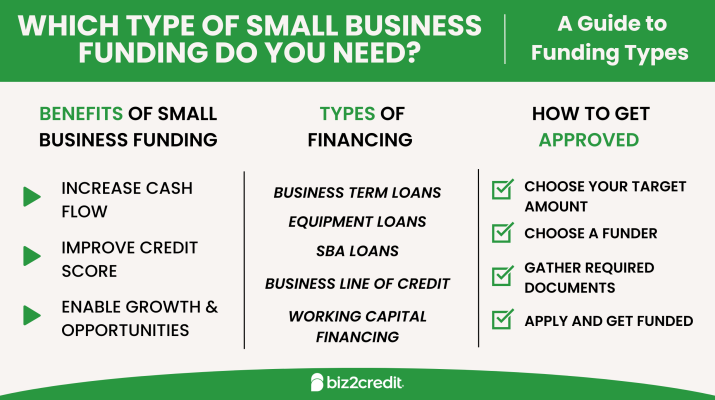
Business funding is a cornerstone of success for any aspiring entrepreneur, setting the stage for growth and innovation. If you’re on the journey to establish your own venture, you might be wondering, “How do I get business funding?” Understanding the various funding options available to you, ranging from loans to grants, is crucial in shaping your financial strategy. With a robust business plan and an awareness of the different business funding sources, you can effectively secure the capital required to bring your ideas to fruition. In this guide, we’ll delve into the essential steps, strategies, and recent trends in startup funding, empowering you to navigate the financial landscape with confidence.
When embarking on the entrepreneurial path, securing adequate financial resources is vital for launching and sustaining a business. Many entrepreneurs look for diverse avenues, including various forms of financing or capital investment, to fuel their growth. These opportunities can encompass loans, grants, or equity investments, providing the necessary support to bring innovative ideas to market. Whether you’re exploring traditional funding methods or modern crowdfunding platforms, understanding the distinct types of financial aid available can significantly impact your startup’s success. By exploring multiple funding avenues and developing a clear financial strategy, new business owners can position themselves for a prosperous future.
Applying for a merchant account is a crucial step for businesses looking to accept card payments and manage transactions efficiently. The process typically begins with researching various merchant service providers to find one that suits your business needs. Key factors to consider include transaction fees, customer service, and the range of payment options offered. Once you’ve selected a provider, you will need to complete an application form, which usually requires basic information about your business, such as its legal structure, ownership details, and financial statements. Additionally, some providers may ask for proof of identity and your business license to verify legitimacy. After submitting your application, the provider will conduct a review process to determine whether you meet their risk assessment criteria before granting you a merchant account approval.
Once your application is approved, you’ll need to set up the necessary hardware and software to begin accepting payments. This could involve installing a point-of-sale (POS) system, integrating payment processing software into your website, or acquiring any required card readers. It’s also important to familiarize yourself with the terms of your merchant account, including payment processing rates, chargeback policies, and settlement times. Many providers offer extensive support and resources to help with setup and ongoing management, so don’t hesitate to reach out to them if you have questions. For more comprehensive information and to find various service providers, you can visit platforms like Merchant Maverick or NerdWallet, which provide detailed comparisons and reviews of merchant account services available in the market.
How to Get Business Funding: Essential Strategies for Entrepreneurs
Securing business funding is one of the most crucial aspects of launching a successful startup. To answer the question of “how to get business funding,” entrepreneurs must first assess their specific financial needs and match them with the appropriate funding options. Creating a solid business plan is a foundational step that not only clarifies your financial requirements but also enhances your credibility with potential investors. A well-researched plan detailing your business model, market analysis, and financial projections will provide the clear roadmap that funders look for.
Once you have developed your business plan, exploring various funding sources becomes essential. Options range from personal savings and support from family and friends to more formal avenues like bank loans, SBA loans, and investments from angel investors or venture capitalists. Each funding option has its advantages and disadvantages, and understanding them can significantly affect your funding success. For example, while bank loans may impose stringent requirements, they can also offer lower interest rates, making them appealing for established businesses with predictable revenue.
Exploring Funding Options for Entrepreneurs
When it comes to funding options for entrepreneurs, the right choice can vary based on individual business needs and goals. Personal savings are often a preferred starting point for many entrepreneurs looking to maintain full control over their startup, avoiding the complexities of outside investment. For those aiming for faster access to capital, crowdfunding platforms like Kickstarter and Indiegogo can be particularly effective, allowing entrepreneurs to present their ideas directly to the public and gain financial support from interested backers.
Additionally, navigating traditional funding avenues such as bank loans and SBA loans can offer sustainable financial options. Bank loans typically require a solid credit history and detailed business plans, essential factors that influence approval rates. On the other hand, SBA loans, backed by the government, provide a safety net for lenders and an appealing alternative for those struggling to secure traditional financing. Regardless of the choice, understanding these funding options is vital for new entrepreneurs seeking to fuel their business growth.
Understanding Business Funding Sources
Business funding sources can be broadly categorized into various types, each catering to different needs and stages of business development. Personal savings, family and friends, and bank loans are commonly recognized paths, but the landscape also includes angel investors, venture capital, and crowdfunding. Personal savings provide a level of independence in business decisions, avoiding external pressure from investors, while bank loans can help build credit if paid back responsibly.
In contrast, angel investors and venture capitalists look for equity in return for their investment, which can be beneficial for businesses with high growth potential but may come with steering from the investor on business decisions. Crowdfunding allows entrepreneurs to tap into public interest, offering rewards or equity in exchange for support. Understanding these diverse business funding sources helps entrepreneurs tailor their strategies and select the best fit for their specific needs.
Developing a Solid Business Plan for Funding
Creating a solid business plan is vital not only for operational success but also for attracting potential funding partners. A strong business plan outlines your business model, target market, competition, operational strategy, and financial projections. By presenting this information in a structured format, you can demonstrate to investors that you’ve done your homework and understand the marketplace in which you operate. Investors are more likely to fund businesses that can show a clear path to profitability and growth.
Moreover, your business plan should evolve over time as you gain more insights and feedback from your funding journey. It’s not just a one-time document to persuade investors; rather, it should act as a living guide for your business strategy. A well-prepared plan gives you the confidence to enter negotiations and can significantly improve your chances of obtaining needed capital, whether through loans, grants, or investments.
Preparing for Due Diligence in Funding
Once potential funders express interest, preparing for due diligence becomes a critical step in securing business funding. Due diligence is the process investors use to verify the information provided in your business plan and assess the potential risks involved in investing. It’s essential to have all necessary documentation organized and readily available. This includes financial statements, tax returns, legal agreements, and details about your business operations and projections.
Being prepared not only demonstrates professionalism but also establishes trust with your potential funders. The process may vary depending on the type of funding you’re pursuing, but regardless of the source, having thorough records and transparency will significantly enhance your credibility. Proper preparation for due diligence can make the difference between receiving required funds and being overlooked.
Networking and Relationship Building for Funding
Networking and relationship building are crucial components in the pursuit of business funding. Taking time to attend industry events, join entrepreneurial groups, and utilize platforms like LinkedIn increases your visibility to potential investors and financial partners. Building a network doesn’t just provide access to funding; it also opens up avenues for mentorship and invaluable guidance from those with experience in the field.
Moreover, these connections can lead to introductions to potential investors who are genuinely interested in funding promising startups. In some cases, an investor may prefer to work with entrepreneurs they have established a relationship with, as it provides a level of comfort and trust. Leveraging your network to gain insights or referrals can be a powerful strategy in your funding journey.
Utilizing Online Resources and Tools for Funding
In today’s digital age, numerous online resources and tools are available to assist entrepreneurs in locating funding sources. Websites like Fundera offer comparative analysis on various loans, helping you understand which financial products best fit your business’s needs. These platforms aggregate information from a range of lenders, making the search for funding more efficient and less overwhelming.
Beyond loan comparison, online tools can also provide insights into funding trends and regulatory changes that could impact your business. By utilizing these resources, you can make more informed decisions about your funding strategy, allowing you to focus on the aspects of your business that require your attention most. Being proactive and knowledgeable can significantly enhance your chances of successfully securing business funding.
Recent Developments in Business Funding
Recent developments in business funding have introduced new opportunities for entrepreneurs, notably in areas of increased investment in startups. Investors are tending towards sectors that demonstrate innovation, particularly in technology and sustainability. This shift indicates a growing recognition of businesses that can adapt and thrive amidst economic challenges, making these companies attractive candidates for funding.
Furthermore, recent legislation aimed at simplifying the funding application processes for small businesses shows promise in broadening access to financial resources. These advancements not only help emerging entrepreneurs secure the needed capital but also encourage a new wave of innovation and competitive spirit within the entrepreneurial landscape. Staying abreast of industry trends and legislative changes is essential for maximizing your chances of securing funding.
Conclusion: Navigating Business Funding Successfully
Navigating the business funding landscape successfully is a multi-faceted process that requires preparation, strategy, and adaptability. Whether you’re crafting a compelling business plan, exploring diverse funding sources, or utilizing online resources, every step you take influences your ability to secure the capital required for your business. Understanding the nuances of available funding options is critical in making informed decisions that align with your business goals.
Continuous learning and networking will further empower you in this venture, opening doors to partnerships, mentorship, and additional resources that can be pivotal in your entrepreneurial journey. By remaining informed and proactive, you will not only bolster your chances of acquiring business funding but also lay a strong foundation for sustainable long-term success.
| Key Aspect | Details |
|---|---|
| Understanding Your Funding Needs | Identify how much funding you need based on business model and goals. |
| Develop a Solid Business Plan | Create a detailed business plan covering business model, market analysis, operational plan, and financial projections. |
| Explore Different Funding Sources | Utilize personal savings, bank loans, angel investors, and crowdfunding among other sources. |
| Prepare for Due Diligence | Gather necessary documents like financial statements and tax returns. |
| Networking and Relationship Building | Attend industry events and use platforms to connect with mentors and investors. |
| Utilize Online Resources and Tools | Leverage websites that connect you to funding sources and compare options. |
| Recent Developments in Business Funding | Note trends like increased investment in sustainable startups and supportive legislation. |
Summary
Business funding is foundational to the success of any new venture. When starting your journey as an entrepreneur, understanding the various funding options available is paramount. Identifying your funding needs accurately, coupled with the creation of a robust business plan, sets the stage for engaging potential investors or lenders effectively. With a multitude of funding sources at your disposal—from personal savings to crowdfunding—alongside the significance of networking and due diligence, new entrepreneurs are equipped to navigate this challenging landscape. By staying informed on current trends and enacting strategic funding approaches, you can secure the necessary capital to thrive in the competitive business environment.
Business funding is a pivotal aspect of launching and growing a successful venture, and understanding how to secure it can make all the difference for new entrepreneurs. If you’re wondering how to get business funding, you’re not alone; many aspiring business owners face the challenge of finding the right financial backing. Fortunately, a myriad of funding options for entrepreneurs exists, from traditional bank loans and grants to innovative crowdfunding platforms. Exploring diverse business funding sources is essential, as each can offer unique benefits tailored to different needs and business stages, including critical startup funding. With the right approach and a solid understanding of available resources, you can navigate the funding landscape more effectively.
Accessing financial support for a new enterprise—often referred to as capital procurement or financing solutions—is a fundamental step for aspiring entrepreneurs. The process of acquiring necessary funds can feel daunting, especially when considering the wide array of options available to support small businesses. Whether through loans, grants, or angel investing, understanding the various routes to financial assistance is vital for anyone looking to jumpstart their entrepreneurial journey. Moreover, grasping the nuances of these funding mechanisms will empower you to make informed decisions for your startup. By thoroughly investigating all available financing avenues, including unconventional methods like crowdfunding, entrepreneurs can position themselves for success in an increasingly competitive market.
Frequently Asked Questions
How do I get business funding for my startup?
To get business funding for your startup, begin by defining your funding needs and outlining a solid business plan. Explore various funding options such as personal savings, bank loans, SBA loans, angel investors, or crowdfunding platforms like Kickstarter. Each option has specific requirements and benefits, so choose what aligns best with your business model. Networking and relationship building with potential investors can also significantly enhance your chances of securing the necessary financial support.
Starting a business often requires significant financial investment, and understanding how to get business funding is crucial for entrepreneurs. One effective way to explore funding options is to begin with a solid business plan that outlines your vision, target market, and financial projections. This plan will serve not only as a roadmap for your business but also as a persuasive tool for potential investors or lenders. Networking with local business organizations, attending entrepreneurial workshops, and leveraging online platforms can also unveil various funding opportunities tailored for startups.
For entrepreneurs, there are several funding options to consider that cater to different needs and situations. Personal savings or funds raised from family and friends can serve as the initial capital injection. Additionally, various crowdfunding platforms allow entrepreneurs to pitch their business ideas to a wider audience, attracting small investments from numerous individuals. Venture capital and angel investors are another avenue—these investors usually seek equity in exchange for their investment and often bring valuable expertise to the business.
When exploring business funding sources, entrepreneurs should consider government programs and non-profit organizations that offer financial assistance, including grants and low-interest loans. These sources can be particularly beneficial as they often come with less stringent repayment terms compared to traditional bank loans. It is essential to research these options thoroughly, as eligibility requirements can vary widely, and applying for grants may involve a rigorous application process.
Start-up funding can be one of the most daunting aspects of establishing a new business. Entrepreneurs should explore all available avenues, including small business loans from banks or credit unions. These institutions typically offer a variety of loan products aimed at new businesses, including lines of credit and short-term loans. Additionally, participating in pitch competitions can not only provide funding opportunities but also increase visibility and attract potential investors.
Business loans and grants are essential components of business funding strategies. While loans must be repaid with interest, grants provide funds that do not require repayment, thus easing the financial burden on new entrepreneurs. It is beneficial to closely examine local, state, and federal resources that offer grants specifically for small businesses, women entrepreneurs, minority-owned businesses, and those in innovative sectors. Understanding the distinction between loans and grants—and how to effectively apply for each—can empower entrepreneurs to secure the necessary funding to launch and sustain their businesses.
The journey of securing business funding can be daunting, but understanding your financial needs is the critical first step. New entrepreneurs should carefully assess how much capital is necessary to start and sustain their business. This includes evaluating startup costs such as equipment, inventory, and operational expenses, as well as ongoing costs like marketing and employee salaries. By creating a detailed budget, you can develop clearer insights into the total funding needed and prioritize various expenditures, making it easier to communicate your financial needs to potential funders.
A robust business plan is essential when seeking funding, serving as your pivotal tool to convince investors of your business’s viability. The business plan should provide a comprehensive overview of your business model, showcasing how your products or services meet market needs. It should include an in-depth market analysis that identifies competitors and recognizes your unique value proposition. Financial projections are also crucial; they should present realistic forecasts showing potential revenue and profit margins, which will reassure investors that their money will be put to wise use.
Exploring various funding sources diversifies your options and opens up new avenues for financing your business. While personal savings might be the fastest route, seeking funds from friends or family can be an alternative. For those looking for more structured financing, bank loans or SBA loans can offer substantial amounts, though they often require solid creditworthiness. Alternatively, angel investors and venture capitalists are excellent options for businesses with clear potential for rapid growth, as they can provide not just funds but also mentoring and networking opportunities.
Preparation for due diligence cannot be overstated. Potential investors will scrutinize your financial history, operational plans, and even the legal structure of your business. Having organized and accurate documents ready, such as tax returns, financial statements, and contracts, can significantly enhance your credibility. This preparation demonstrates professionalism and serves to build trust between you and your potential investors, thereby facilitating a smoother funding process.
The importance of networking in securing business funding should not be overlooked. Building a strong network can greatly increase your chances of meeting the right investors or accessing valuable funding opportunities. Attend local entrepreneur events, industry conferences, and startup meetups to connect with mentors and like-minded individuals. Utilizing digital platforms like LinkedIn can also expand your reach. These relationships can lead to introductions to investors who are excited about your business concept, creating vital connections that could prove instrumental in your funding journey.
In an increasingly digital world, entrepreneurs can take advantage of online resources that make the search for funding much easier. Websites such as Fundera provide valuable tools for comparing loans and understanding various funding options suited to different business types. These platforms often aggregate information and streamline the application processes, allowing entrepreneurs to find options that align with their specific needs while demystifying the funding landscape.
Staying informed on recent developments in business funding is critical for new entrepreneurs. As trends shift towards investment in sustainable and tech-driven companies, understanding where investor interests lie can help shape your business model to align with these preferences. Moreover, keeping an eye on legislative changes that facilitate small business funding ensures you are aware of any new resources or programs that could ease the financial burden associated with starting and growing your enterprise.
