
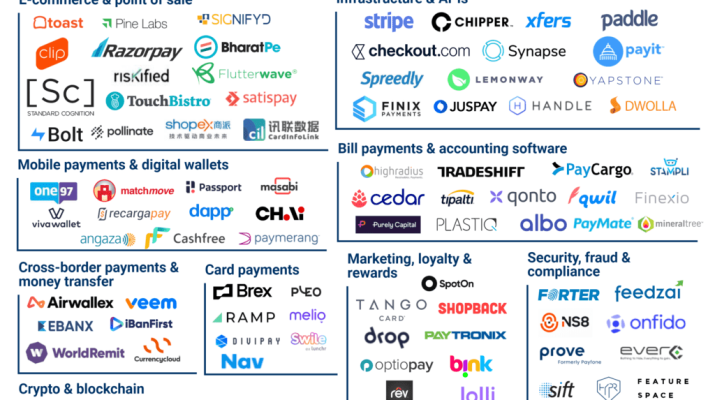
B2B payments startups are at the forefront of transforming the payments industry, as they seek to enhance efficiency and streamline transactions for businesses globally. Two notable players in this space, Clair and Alternative Payments, have recently attracted significant venture capital funding, highlighting continued investor interest despite economic uncertainties. With innovations in wage access and digitization of accounts, these startups are responding to emerging payments industry trends that prioritize speed and automation. The news surrounding Clair funding and its commitment to providing real-time wage access showcases how B2B solutions are adapting to meet the evolving demands of the workforce. Additionally, the cross-border payments venture exemplifies the necessity for robust, adaptable financial systems as companies navigate complex global markets.
The landscape of business-to-business financial solutions is rapidly evolving, as emerging firms leverage technology to redefine payment processes. Startups focusing on alternative payment methods are attracting attention from venture capital, indicating a shift in how businesses manage their financial transactions. Companies like Clair, which specialize in wage access, and Alternative Payments, which offers sophisticated accounting tools, are reshaping the interface through which businesses interact financially. This shift is significant as traditional payment methods give way to modern solutions designed to optimize efficiency and compliance. As the demand for streamlined interactions grows, the need for innovative payment systems becomes increasingly critical.
The Growing Importance of B2B Payments Startups
In recent years, the fintech landscape has witnessed a surge in B2B payments startups. These companies are reshaping how businesses transact with each other, offering innovative solutions that enhance efficiency and streamline payment processes. Clair and Alternative Payments are prime examples of startups gaining traction amid economic uncertainties, highlighting the vital role they play in modernizing outdated financial systems. With both firms securing significant venture capital, they demonstrate the resilience and potential of B2B payments in driving growth within the payments industry.
The rise of digital payments has made B2B transactions faster, more secure, and more accessible than ever before. Startups like Clair and Alternative Payments are meeting the growing demand for accounting software and wage access solutions among businesses, especially as traditional methods prove inadequate. By automating accounts payable and receivable, these startups are carving out their niche within the payments landscape, helping organizations adapt to current payment industry trends driven by consumer preferences. The capital raised provides these firms with the necessary resources to expand and innovate further.
Venture Capital Investments in B2B Payments: A Mixed Bag
Venture capital investment in B2B payments startups has seen a nuanced trend. While funding has remained robust for high-potential players like Clair and Alternative Payments, investors are increasingly cautious due to economic volatility and recession fears. This caution leads to stricter criteria for investments, focusing on startups that can demonstrate scalability and market demand. Despite these challenges, new financing rounds signal that venture capitalists recognize the long-term potential of B2B payments, particularly in niche markets.
The recent funding results announced by Clair and Alternative Payments mark a pivotal moment for the B2B payments sector. Clair’s provision of real-time wage access aligns with employee demand for financial flexibility, while Alternative Payments’ focus on digitizing accounting processes showcases an innovative approach to reducing inefficiencies in legacy systems. As the payments industry continues to evolve, the successful funding rounds indicate that investors are still keen to support startups with transformative ideas in the B2B space despite economic headwinds.
Cross-Border Payments Ventures: Navigating a Competitive Landscape
The cross-border payments market has become increasingly competitive, with players like Airwallex making headlines with substantial funding rounds. The importance of this space is underscored by the global nature of business today, as companies seek to expand their reach and simplify their payment processes. Startups specializing in cross-border transactions are tasked with addressing challenges such as compliance, currency conversion, and transaction speed, which can often be barriers to international trade.
In light of these complexities, venture capitalists are placing their bets on startups capable of navigating the intricacies of international payments. Startups like Clair and Alternative Payments are also looking to incorporate cross-border payment capabilities into their offerings to enhance their value propositions. As businesses increasingly globalize, the demand for seamless, efficient cross-border payments will only intensify, creating vast opportunities for innovative B2B companies.
Alternative Payments: Pioneering Innovation in B2B Accounting
Alternative Payments has emerged as a frontrunner in the evolution of B2B accounting solutions, focusing on digitizing and automating traditionally cumbersome processes. With recent funding, the startup aims to expand its reach and refine its services, making it easier for businesses to handle their accounts payable and receivable. In a landscape where time and resources are becoming increasingly scarce, the efficiency offered by Alternative Payments is a compelling selling point that resonates with modern enterprises.
The company’s commitment to using artificial intelligence to streamline financial operations positions it well within the competitive realm of B2B payments. As organizations seek to adopt compatible software solutions that enhance their operational performance, Alternative Payments provides tailor-made solutions that cater to diverse business needs. The venture capital funding serves as a strong validation of their business model and commitment to transforming B2B accounting processes.
Clair: Revolutionizing Access to Wages Before Payday
Clair is redefining the way employees access their wages, providing them with real-time payment capabilities before their scheduled paydays. This service is crucial for workers living paycheck to paycheck, as it helps alleviate financial stress by offering immediate access to earned pay. With growing competition and heightened demand for such innovative solutions, Clair has positioned itself as a game-changer in the wage access sector, attracting significant venture capital that underscores its market potential.
As pressures mount on employers to offer attractive benefits to retain talent, Clair’s service resonates strongly with both employees and employers alike. By collaborating with banking partners and leveraging technology, Clair is enhancing the employee experience while concurrently easing the administrative burden on businesses. Their forward-thinking approach not only simplifies payroll processes but also speaks volumes about the evolving landscape of employee compensation.
Navigating Economic Challenges in the Payments Sector
The current economic climate poses significant challenges for the payments industry, creating a dual impact for startups like Clair and Alternative Payments. While economic hesitancies have made venture capitalists more cautious, the demand for efficient payment solutions remains high. As evidenced by both companies’ recent funding rounds, the need for innovation in the face of traditional legacy systems keeps the startup ecosystem resilient, even as broader market conditions fluctuate.
CEO statements from both startups highlight the precarious environment in which they operate, dubbing it a ‘frozen’ economic landscape. Yet, these dynamics can also spur creativity and innovation. As businesses seek effective solutions to manage their finances amid uncertainty, startups that can adeptly navigate their operational strategies are poised to thrive. The funding received by Clair and Alternative Payments underscores an ongoing investment in innovative solutions that align with contemporary market demands.
Payment Industry Trends: The Shift Toward Automation
Automation is emerging as a key trend in the payment industry, reshaping the way businesses handle financial transactions. Startups like Clair and Alternative Payments are harnessing technology to automate various payment processes, from wage access to accounting software solutions. This shift not only improves efficiency but also significantly reduces errors associated with manual handling. As businesses face increasing operational costs, the ability to leverage automated systems is critical for maintaining competitiveness.
The growing importance of automation is reflected in the venture investments seen in the B2B payments sector, as startups showcasing technological capabilities continue to attract funding. Stakeholders recognize the necessity for businesses to streamline operations through software that integrates seamlessly with existing workflows. As a result, companies that prioritize automation are better positioned to meet evolving customer expectations and capitalize on emerging payment industry trends.
The Role of Venture Capital in Financing B2B Payments Innovations
Venture capital plays a pivotal role in financing the innovations that are rapidly transforming the B2B payments landscape. Investors are increasingly on the lookout for startups that display disruptive potential, particularly those focused on refining customer experiences and offering efficient payment solutions. Companies like Clair and Alternative Payments benefit from such funding, enabling them to develop unique offerings that address market demands in crucial areas like automation and financial access.
Recent funding announcements reflect an unwavering investor interest in the B2B payments domain, even amid broader economic hesitations. This trend highlights the essential role venture capitalists play in nurturing startups that promise long-term growth and sustainability. As the payments industry adjusts to new consumer habits and technological advancements, the relationship between these startups and their investors will prove crucial in overcoming challenges and capitalizing on opportunities in the evolving market.
Future Predictions for the B2B Payments Landscape
The future of the B2B payments landscape looks promising, driven by innovation and a focus on addressing customer pain points. With ongoing advancements in fintech, companies like Clair and Alternative Payments are expected to lead the charge toward more efficient and user-friendly payment solutions. As regulations evolve and the competitive landscape shifts, these startups will need to stay ahead, adapting their services to meet the diverse needs of businesses across sectors.
In addition, as businesses continue to adapt to changes brought about by digitization, the demand for flexible payment solutions like those offered by Clair and Alternative Payments will escalate. The focus on creating efficiencies in financial management and improving employee access to wages demonstrates a clear trajectory toward a more integrated and responsive B2B payments ecosystem. Staying attuned to industry trends and emerging technologies will be vital for startups seeking to maintain their foothold in this rapidly evolving market.
Frequently Asked Questions
What are some of the latest venture capital trends in B2B payments startups?
In recent months, B2B payments startups like Clair and Alternative Payments have successfully attracted venture capital funding despite a cautious economic climate. Investors are showing selective interest, focusing on companies that demonstrate innovative solutions in the payments industry. These trends indicate that while there is apprehension in venture capital due to economic uncertainty, the demand for modernized B2B payment solutions remains strong.
How did Clair secure funding as a B2B payments startup?
Clair, a wage access provider, raised $23.2 million led by Upfront Ventures and Thrive Capital, totaling $68.7 million in funding. The startup’s focus on offering employees earlier access to wages has gained traction amidst increasing competitive pressure in the payments industry, highlighting the growing need for flexible payment solutions in B2B transactions.
What strategies are B2B payments startups using to attract investment?
B2B payments startups are leveraging innovative technologies, such as artificial intelligence, to modernize legacy accounting systems, as seen with Alternative Payments. By targeting sectors like blue-collar and IT industries, these startups effectively showcase how their solutions improve payment reconciliation and overall efficiencies, making them appealing to cautious investors in the current economic climate.
What role do cross-border payments play in the B2B payments startup landscape?
Cross-border payments remain a crucial focus for B2B payments startups, with companies like Airwallex successfully raising significant capital to facilitate international transactions. These startups address the complexities and inefficiencies in cross-border payments, which are increasingly vital for businesses operating globally, thus attracting venture capital interest.
What challenges do B2B payments startups face in the current economic environment?
B2B payments startups are navigating a challenging landscape marked by cautious investment from venture capitalists amid recession fears. Factors such as market volatility and increased state regulations complicate funding efforts, making it vital for startups to demonstrate robust business models and compliance strategies to attract investments in the payments industry.
How are alternative payments transforming the B2B payments industry?
Alternative payments solutions are revolutionizing the B2B payments landscape by digitizing and automating accounts receivable and payable processes. Startups like Alternative Payments offer innovative software that enhances efficiency, catering to businesses that have traditionally relied on outdated systems, thus driving investment interest in the sector.
Why is early access to wages gaining popularity among B2B payments startups?
Early access to wages, exemplified by Clair’s offerings, is becoming increasingly popular due to the demand from employees who seek more flexible payment options. In a competitive job market, employers are pressured to provide such perks to attract talent, making this a vital service within the B2B payments startup ecosystem.
What future developments can we expect from B2B payments startups?
As B2B payments startups continue to evolve, we can expect greater innovation in payment solutions, especially in areas like cross-border transactions and early wage access. Additionally, an impending expansion into markets like Canada by firms like Alternative Payments signals growth aspirations, indicating a broader trend of international expansion among successful B2B payments startups.
| Startup | Funding Raised | Key Services | Challenges | Market Focus |
|---|---|---|---|---|
| Clair | $23.2 million (total $68.7 million) | Wage access before payday | Increased competition and regulations | U.S. (expanding to Canada in July) |
| Alternative Payments | $22 million | Accounting software for digitization and automation | Economic hesitations and market fears | U.S. (targeting blue-collar and IT sectors) |
| Airwallex | $300 million (including $150 million secondary share transfers) | Cross-border payments solutions | Cautious investing climate | Global (currently focusing on the U.S.) |
Summary
B2B payments startups are increasingly attracting investment even in a challenging economic environment. Startups like Clair and Alternative Payments demonstrate resilience and innovation in the face of market skepticism. Clair has enhanced employee wage access services, while Alternative Payments focuses on automating accounting solutions, appealing to businesses yearning for modernization. Despite hesitations among investors, the unique offerings of these B2B payments startups speak to a growing demand for efficiency and accessibility in the financial landscape, paving the way for future growth and opportunities.
Source: https://www.paymentsdive.com/news/clair-alternative-payments-raise-capital-venture-capital/748859/
Venture capital in B2B payments is experiencing a significant surge as investors recognize the need for innovative solutions in a rapidly evolving financial landscape. Companies that streamline payment processes, improve transaction security, and enhance cross-border transactions are gaining attention from venture capitalists. This influx of funding is fostering the development of new technologies that aim to reduce the complexities and costs associated with traditional B2B payment methods, ultimately driving efficiency for businesses both large and small.
Recent news regarding Clair’s funding has spotlighted the expanding landscape of financial solutions aimed at gig workers and freelancers. Clair’s innovative approach to offering on-demand payment solutions directly addresses the challenges faced by those in the gig economy. With fresh rounds of funding, Clair is positioned to enhance its platform, allowing users to access their earnings instantly, thus contributing to the growing momentum of alternative payment solutions tailored for various segments of the workforce.
Investment in alternative payments is soaring as businesses and consumers alike seek more flexible, accessible, and secure methods for transactions. Digital wallets, cryptocurrency payments, and Buy Now, Pay Later (BNPL) options are leading the charge in this sector. Venture capitalists are keenly aware of changing consumer preferences and behaviors, particularly among younger demographics who prioritize speed and convenience. This trend highlights the importance of adaptability in financial technology, prompting startups to innovate continuously to capture market share.
The payments industry is witnessing transformative trends as digital payments become increasingly prevalent. Key developments include the rise of contactless payments, the integration of artificial intelligence for fraud detection, and the ongoing emphasis on regulatory compliance. Moreover, the push toward sustainability is also influencing payment practices, with companies seeking eco-friendly alternatives. As consumer expectations evolve, players in the payments ecosystem must remain agile to adapt to these shifts and leverage new opportunities.
Cross-border payments have become a focal point for venture capital investment, as such transactions often involve high fees and complexities that can hinder global trade. New startups focusing on streamlining these processes are attracting significant investment, driven by the demand for faster and less costly international transactions. Innovations like blockchain technology and fintech solutions are emerging to address these challenges, making it easier for businesses to navigate the complexities inherent in cross-border payments.
