
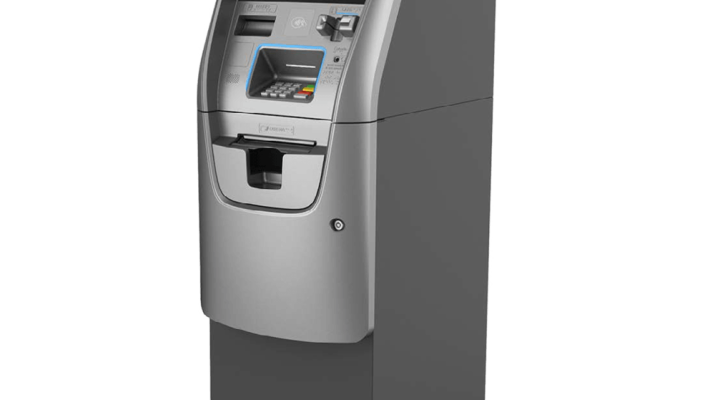
ATM machines play a pivotal role in today’s financial landscape, proving to be an invaluable asset for businesses looking to adapt to evolving consumer preferences. As cash demand rises post-pandemic, investing in ATMs not only enhances customer convenience but also opens doors to substantial ATM revenue through transaction fees. With the modern ATM technology evolving rapidly, these machines now offer much more than cash withdrawals; they serve as multifunctional platforms that cater to a diverse range of customer needs. Business financial strategies that incorporate ATM placement can lead to increased foot traffic and customer loyalty, emphasizing the importance of this investment. As businesses consider how to optimize their operations, the inclusion of ATM machines stands out as a forward-thinking approach that responds to consumer demands for cash accessibility and convenience.
Automated Teller Machines, or ATMs, are becoming essential fixtures in contemporary commerce, especially as businesses look for innovative ways to enhance service offerings. The surge in cash circulation reflects shifting consumer preferences, prompting a significant reevaluation of cash management methods within establishments. For entrepreneurs and business owners, integrating these cash-dispensing devices not only fills a market gap but also generates significant revenue streams through transaction activities. The advancements in automated technology are further boosting the appeal of these machines, as they increasingly integrate with digital platforms. Embracing alternative financial solutions such as ATMs enables companies to foster customer satisfaction while actively participating in the ongoing shift towards cash utilization.
Understanding Cash Demand and Its Impact on ATM Investment
The resurgence of cash transactions, particularly since the onset of the COVID-19 pandemic, has made it clear that consumers are increasingly reverting to physical currency. This shift stems not only from hygiene concerns, but also a desire for privacy that digital transactions do not guarantee. As consumers prioritize cash for their day-to-day purchases, businesses that have ATM machines on-site are in a unique position to meet this growing demand. Establishing cash accessibility within your premises can enhance customer satisfaction and foster a loyal customer base while positioning your business as a leader that understands modern consumer needs.
As cash remains a critical component of the retail landscape, businesses must consider the implications for their financial strategies. By investing in an ATM, they not only cater to immediate consumer preferences but also set themselves up for long-term financial success. ATMs serve as a reliable source of cash flow that aligns with evolving shopping behaviors, ensuring that businesses can thrive even in a cash-conscious market. Ignoring this shift towards cash could leave companies at a disadvantage, highlighting the essential role of ATMs in robust business financial strategies.
Exploring Revenue Opportunities with ATM Transaction Fees
Investing in an ATM can yield significant income through transaction fees, making it a lucrative addition to any business model. Statistics show that well-placed ATMs can generate substantial monthly revenues, averaging between $2,000 and $3,000. This financial return presents an excellent opportunity for establishments in high-traffic areas, where the constant influx of customers can drive use of the machine. Hence, the financial benefits derived from transaction fees can decisively impact a business’s bottom line, turning ordinary cash flow into a substantial profit center.
Understanding how to maximize ATM revenue involves strategic decisions such as location selection and customer engagement strategies. By ensuring your ATM is not just a cash dispenser but part of a broader customer experience, businesses can enhance their profitability. The integration of modern ATM technology further allows for innovative features such as promotional cash bonuses or partnerships with local vendors, thus increasing transaction frequency and generating additional revenue streams. This embrace of technology alongside traditional cash transactions will undoubtedly fuel growth and sustainability.
Strategic Location: The Key to ATM Success
The strategic placement of ATM machines cannot be overstated; it’s a critical factor that directly influences their profitability. High-traffic locations such as malls, convenience stores, and entertainment venues are ideal settings for ATM deployment. This positioning ensures that businesses can tap into a steady stream of potential customers who seek convenience and quick access to cash during their outings. Businesses not only enhance customer satisfaction but also create a seamless cash withdrawal experience that can differentiate them from competitors.
Moreover, effective ATM placements can lead to increased customer foot traffic, amplifying sales opportunities for the surrounding business while simultaneously providing cash solutions. This symbiotic relationship between ATMs and retail can drive customer loyalty as patrons become accustomed to the ease of access to cash. As consumer preferences evolve, businesses that prioritize high-visibility locations for their ATMs can capitalize on the cash demand and create an ecosystem that benefits both customers and the business itself.
Maintaining Low Costs with Modern ATM Technologies
One of the common misconceptions about investing in ATMs is the overhead costs associated with their maintenance and operation. However, many service providers mitigate these concerns by offering maintenance packages that significantly lower long-term expenses. For business owners looking to invest, understanding the total cost of ownership—including purchase or leasing agreements, routine maintenance, and servicing—can help them make financially sound decisions. With modern ATM technology improving efficiency and reliability, the operational burdens associated with older machines are now lower than ever.
Additionally, advancements in ATM technology mean that many machines now come equipped with self-diagnostics, which can anticipate maintenance needs before they become critical issues. This proactive approach reduces downtime and service disruption, allowing businesses to maintain consistent service for their customers. By understanding the innovations in ATM technology and leveraging them appropriately, businesses can enjoy a stress-free ownership experience, positioning their ATM investment as a streamlined component of their operations without incurring prohibitive costs.
Frequently Asked Questions
Why should businesses invest in ATM machines during rising cash demand?
In the wake of increased cash demand, particularly since the COVID-19 pandemic, businesses that invest in ATM machines can significantly enhance customer satisfaction and service. With more consumers preferring cash for privacy and hygiene, having an ATM readily available can attract more foot traffic and cater to evolving consumer needs effectively.
How can ATM revenue benefit your business’s financial strategies?
Investing in ATM machines can provide a lucrative source of ATM revenue through transaction fees, which can range from $2,000 to $3,000 monthly, depending on location. This additional income can be a game-changer for your business, helping to cover costs and drive profitability, while also allowing for better financial strategies in your overall business model.
What factors make location critical when investing in ATM machines?
The strategic location of ATM machines is essential for maximizing usage and revenue. Placing ATMs in high-traffic areas such as shopping centers and convenience stores ensures that they are accessible to customers at all times. This likely increases transaction volume and can improve customer loyalty by offering convenience when cash is needed.
What are the benefits of modern ATM technology for businesses?
Modern ATM technology has evolved to offer more than just cash withdrawals; they now include features like mobile app integrations and contactless payments. By investing in the latest ATM technology, businesses can enhance customer experiences and attract tech-savvy clientele. This not only drives traffic but also positions the business as progressive in meeting consumer preferences.
| Key Point | Description |
|---|---|
| Increased Cash Demand | The COVID-19 pandemic has led to increased consumer preference for cash transactions due to privacy and hygiene concerns. |
| Income Generation through Transaction Fees | ATMs can generate $2,000 to $3,000 monthly in transaction fees, enhancing business revenue. |
| Strategic Location Benefits | Positioning ATMs in high-traffic areas increases accessibility and customer satisfaction. |
| Low Maintenance Costs | Maintenance costs are relatively low, often included in leasing agreements, allowing businesses to focus on operations. |
| Emerging Technologies | Modern ATMs provide advanced features like mobile app integration and contactless payments, appealing to tech-savvy customers. |
| Promoting Financial Inclusion | Investing in ATMs supports underserved communities by increasing cash access and enhancing business reputation. |
Summary
ATM machines are becoming an essential element in today’s business landscape, primarily due to the rising demand for cash transactions post-pandemic. With consumers gravitating towards cash for its privacy and hygiene benefits, businesses that invest in ATM machines can significantly enhance their operations and revenue. These machines not only provide an additional income stream through transaction fees but also offer strategic advantages when placed in high-traffic areas, thus improving customer satisfaction. Furthermore, the low maintenance costs associated with ATM ownership and the integration of innovative technologies ensure that they remain a valuable asset for any establishment. By committing to financial inclusion through ATM services, businesses can improve their community engagement and distinguish themselves in a competitive market. Ultimately, investing in ATM machines represents a forward-thinking strategy that aligns with evolving consumer preferences and positions a business for long-term success.
Investing in ATMs can be a strategic move for businesses aiming to maximize their revenue streams. With the continuous demand for cash in numerous sectors, including retail, hospitality, and entertainment, establishing a network of ATMs can enhance customer convenience while simultaneously increasing transaction fees and generating passive income for the business owner. In areas with high foot traffic or limited banking facilities, the opportunity to invest in ATMs becomes even more compelling, as businesses can capture a larger customer base seeking easy access to cash.
The demand for cash has seen a resurgence in recent years, driven by various factors such as consumer preference for physical currency and an increase in cash-based transactions in certain demographics. This trend highlights a unique opportunity for businesses to tap into ATM revenue as they cater to customers’ financial needs. By positioning ATMs strategically in locations where cash demand is high, businesses can create a lucrative revenue stream, enhancing their overall financial strategies while meeting market demands.
Modern ATM technology has evolved significantly, incorporating advanced features such as contactless transactions, enhanced security measures, and integration with digital banking services. By investing in the latest ATM models, businesses not only improve their operational efficiency but also provide customers with a seamless banking experience. This technological upgrade can also lead to cost savings in maintenance and improved transaction speeds, making ATMs a more attractive investment from both a financial and customer service perspective.
When devising business financial strategies, integrating ATMs can serve as a valuable asset. Beyond direct revenue generation from transaction fees, ATMs can also drive foot traffic to physical locations, encouraging additional customer purchases. Moreover, businesses can leverage ATMs as part of a broader marketing strategy, using them to promote loyalty programs or special offers that incentivize cash withdrawals at their locations.
In conclusion, the decision to invest in ATMs should be based on an analysis of cash demand trends, customer behavior, and the technological advancements available. By aligning investment strategies with modern ATM innovations and the needs of the target market, businesses can not only secure a competitive edge but also build a sustainable income model that adapts to evolving consumer preferences.
Applying for a merchant account is an essential step for any business that wants to accept credit and debit card payments. The process usually begins with researching potential payment processors that fit your business’s needs. Look for providers that offer competitive rates, reliable customer support, and features suited for your specific industry. Once you have selected a payment processor, visit their website to start the application process. You’ll typically be required to provide documentation such as your business license, tax identification number, and bank account information. Some processors may also request financial statements or processing history if your business has been operating for some time.
After gathering the necessary documentation, fill out the application form on the payment processor’s website. Ensure all information is accurate and reflects your business practices to avoid delays. Depending on the provider, the approval process can take anywhere from a few hours to several days. Once approved, you will receive instructions on how to integrate the payment gateway into your website or physical point of sale system. It’s crucial to familiarize yourself with the fees associated with the account, such as transaction fees and monthly charges. For a comprehensive guide on finding the right merchant account, visit [MerchantAccountGuides.com](https://www.merchantaccountguides.com) for resources and tips tailored to your specific business type.
