
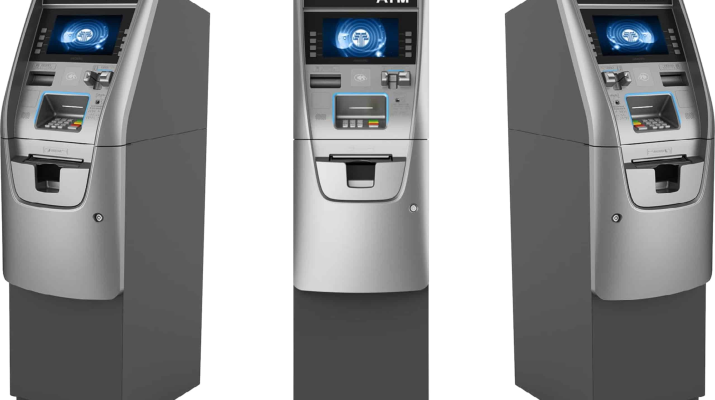
Starting an ATM machines business can be a highly profitable venture for savvy entrepreneurs willing to navigate its unique landscape. As cash remains a crucial component of daily transactions, especially in bustling urban areas, the demand for ATMs has not waned. This guide delves into essential strategies for maximizing ATM business profit, focusing on key areas such as ATM installation and location strategy. By understanding ATM operation costs and implementing effective ATM management practices, you can position your business for success. Join us as we explore the intricacies of this lucrative industry, ensuring that you not only enter the market but thrive in it.
Entering the world of automated teller machines (ATMs) offers a robust opportunity for business-minded individuals seeking to tap into the continued reliance on cash transactions. Despite the rise of digital payment options, the necessity for accessible cash remains strong, particularly in areas with high foot traffic and limited banking services. This overview will assist you in understanding the fundamental principles behind establishing an ATM venture, including installation processes and effective site selection strategies. By carefully managing your operating expenses and understanding profit generation mechanisms, you can enhance your chances of success. Throughout this guide, we will cover valuable insights and strategies to empower your entrepreneurial journey in the ATM industry.
Understanding ATM Installation Costs for Your Business
When starting an ATM machines business, one of the key factors to consider is the total installation cost. This encompasses not only the upfront cost of purchasing the ATM but also additional expenses such as installation fees, site preparation, and initial cash loading. It’s essential to conduct a thorough financial analysis, estimating both the initial investment and ongoing operating costs. This ensures that prospective ATM operators have a clear understanding of all associated expenses, allowing for better financial planning and strategy.
In addition to the visible installation costs, ongoing maintenance and logistical operations play a crucial role in overall ATM management. Regular assessments should be made to account for maintenance fees and cash replenishment costs, which can significantly impact profit margins. By creating a comprehensive budget that incorporates all of these elements, ATM operators can position themselves strategically to maximize their return on investment in the long run.
Strategizing ATM Location for Maximum Profitability
Selecting the right location for your ATMs is vitally important in ensuring a successful ATM machines business. High-traffic areas, such as shopping malls, busy streets, or universities, not only attract more users but also generate higher transaction volumes and fees. Conduct extensive market research to identify prime spots and consider factors like local demographics, competition, and business development in the area. The right ATM location strategy can dramatically enhance profitability.
Moreover, collaborating with local businesses to host your ATMs can lead to mutually beneficial arrangements. Businesses may appreciate the additional service provided to their customers, while you benefit from increased transactions due to the foot traffic generated. Building partnerships and actively engaging with community members can reveal opportunities that successfully align your ATM locations with high demand, thus maximizing potential profits.
Optimizing Revenue Streams for Your ATM Business
In the ATM business, revenue primarily comes from transaction fees charged to users, typically ranging from $2 to $3 per use. However, operators can also maximize profits through various strategies like surcharging users during peak hours or establishing partnerships with local retailers. By analyzing transaction data and user behavior, operators can adjust fees and promotional offers to optimize earnings effectively.
Furthermore, exploring alternative revenue streams can set your business apart from competitors. This might include targeted marketing strategies, loyalty programs for frequent users, or offering unique services like online fund transfers. Diversifying revenue channels ensures that your ATM business remains resilient even as payment trends evolve, leading to sustained profitability over time.
Effective ATM Management Techniques for Sustained Profitability
Efficient management of ATMs is crucial to maintaining operational effectiveness and customer satisfaction. Regular monitoring and swift responses to maintenance needs can prevent downtime that would lead to loss of revenue. Implementing automated systems for cash management and transaction tracking allows operators to maintain optimal service levels and enhance their operational efficiency.
Additionally, cash forecasting is vital in predicting cash outflow and ensuring that machines are adequately stocked. By analyzing transaction patterns, operators can determine the optimal cash levels for each ATM. This proactive approach reduces the risk of running out of cash during peak usage periods, thus protecting your revenue flow and ensuring that your ATM continues to serve its users effectively.
Frequently Asked Questions
What are the initial investment costs for starting an ATM machines business?
Starting an ATM machines business typically requires an initial investment ranging from $3,000 to $10,000 per machine. This amount covers the cost of the ATM, installation fees, and cash loading. It’s essential to factor in additional costs like maintenance and replenishment to create a comprehensive financial plan.
How important is ATM location strategy in maximizing profits from an ATM business?
ATM location strategy is crucial for maximizing profits in an ATM business. Selecting high-traffic areas, such as shopping centers, bars, and restaurants, can significantly increase transaction volume. Conduct thorough market research to identify hotspots where cash transactions are common, which can lead to higher earnings through increased usage.
What are the main operational costs involved in running an ATM machines business?
The main operational costs associated with running an ATM machines business include maintenance expenses, cash replenishment costs, transaction processing fees, and regulatory fees. Effective management of these ATM operation costs is vital for maintaining profitability and ensuring ongoing ATM functionality.
How can effective ATM management improve profitability in an ATM business?
Effective ATM management can enhance profitability by ensuring seamless operation, minimizing downtime, and maximizing cash flow. Regular monitoring of transaction volumes, scheduled maintenance, and cash forecasting techniques enable operators to optimize their machines’ performance and user satisfaction, ultimately leading to increased transaction fees and profits.
| Key Aspect | Details |
|---|---|
| Initial Investment | $3,000 to $10,000 per machine including installation and cash loading |
| Location Selection | Focus on high-traffic areas like shopping centers and restaurants to maximize transactions |
| Revenue Streams | Charge $2 to $3 per transaction, use surcharges in partnership with local businesses |
| Management | Regular maintenance and monitoring of transactions are essential for customer satisfaction |
| Licensing and Regulations | Stay compliant with local, state, and federal laws to avoid fines and closures |
| Market Trends | Despite cashless trends, ATMs remain crucial with opportunities for biometric and mobile tech integrations |
Summary
Starting an ATM machines business presents a promising opportunity to capitalize on the ongoing need for cash transactions in today’s economy. With the right strategic approach, including optimal location selection, understanding financial commitments, and effective management, entrepreneurs can tap into a lucrative market. As the demand for ATMs continues to withstand the shift towards digital payments, those who adapt to industry trends and seek innovative solutions can enhance their profit margins significantly. Ultimately, success in the ATM machines business lies in balancing traditional cash access needs with modern technological advancements, ensuring a sustainable and profitable operation in an evolving financial landscape.
ATM installation involves several critical steps that must be carefully planned and executed. Firstly, selecting a suitable site is crucial; high foot traffic areas such as shopping malls, airports, or convenience stores tend to attract more customers. After identifying a potential location, the installation process includes obtaining necessary permits, ensuring a reliable power supply, and setting up adequate security measures to protect the ATM from theft or vandalism. Once installed, regular maintenance checks are essential to ensure the machine operates smoothly, which can enhance user satisfaction and drive more traffic.
The profitability of an ATM business hinges on multiple factors, including transaction fees, location, and operational efficiency. By strategically placing ATMs in areas with limited banking access, operators can charge higher transaction fees while attracting a consistent flow of customers. Additionally, establishing partnerships with local businesses for co-branding can boost visibility and usage. Moreover, monitoring transaction trends and adjusting fee structures based on demand can significantly increase profit margins, making it a lucrative investment for entrepreneurs.
An effective ATM location strategy is key to maximizing usage and profitability. Factors to consider include proximity to competitors, target demographics, and accessibility. Locations such as busy urban centers or regions with high tourist traffic provide opportunities for increased transactions. Furthermore, understanding local customer behavior and needs can help in selecting sites that offer convenience, such as ATMs near public transport hubs or residential areas. Conducting thorough market research and leveraging technology like geolocation analytics can greatly enhance the location strategy.
ATM operation costs encompass various expenses, including maintenance, cash replenishment, and transaction processing fees. Maintenance involves routine checks and repairs to ensure optimal functionality and prevent downtime, which could lead to customer dissatisfaction. Cash replenishment costs factor in the logistics of ensuring that the ATM is adequately stocked with cash, while transaction fees are often charged by the network processors when customers use the ATM. Balancing these costs while maintaining service quality is essential for a sustainable ATM business.
Effective ATM management is vital for maximizing the potential of an ATM business. This includes regular monitoring of transaction data to identify trends, optimize cash flow, and adjust operational strategies accordingly. Implementing robust security measures is also crucial to mitigate risks of theft or fraud. Additionally, fostering good relationships with service providers and ensuring compliance with regulations can streamline operations. Overall, continuous evaluation and adaptation to market changes will play a significant role in the success of an ATM operation.
Applying for a merchant account is a crucial step for businesses looking to accept electronic payments efficiently. The first step is to research various merchant service providers, comparing their fees, services, and terms to find one that aligns with your business needs. Once you’ve selected a provider, you’ll need to complete an application form, which typically requires basic business information, such as your business structure, the type of goods or services you offer, and your estimated monthly sales volume. Most providers will also ask for documentation, including a business license, tax ID, and possibly personal identification and financial statements. Being prepared with these documents can expedite the application process.
After submitting your application, the provider will review your information and may conduct a credit check or request additional documentation to assess your risk profile. This process can take anywhere from a few hours to a few days, depending on the provider. Once approved, you will receive your merchant account details along with instructions on how to set up payment processing tools, such as point-of-sale systems or online payment gateways. If you want more detailed guidance on the application process, including tips on improving your approval chances, check out the resources provided by your chosen merchant service provider.
