
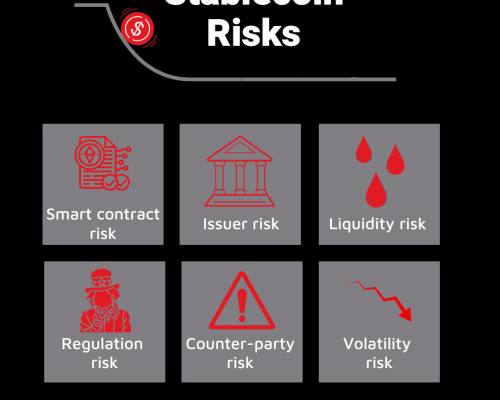
Stablecoin risks are becoming a growing concern as they potentially threaten financial stability without sufficient regulatory oversight. As Federal Reserve Governor Michael Barr emphasized at the recent fintech conference, the implementation of the Genius Act is crucial for establishing necessary guardrails within this evolving cryptocurrency landscape. Despite their promise of facilitating cross-border payments and financial innovations, stablecoins may expose users and the broader economy to significant crypto asset risks if mismanaged. The challenge lies not only in regulating these digital currencies but also in addressing issues related to stablecoin regulation and the potential for market stress events. With regulators focused on creating a resilient framework for Federal Reserve stablecoins, the balance between innovation and safety must be carefully navigated to prevent history from repeating itself.
The burgeoning field of digital currencies, particularly those pegged to stable assets, introduces a range of potential hazards that merit attention. These digital tokens, designed to maintain price stability, could pose detrimental effects on the financial ecosystem if not properly governed. Regulatory measures, such as those outlined under the Genius Act, are essential for safeguarding against vulnerabilities associated with private money systems. As industry stakeholders and regulators strive to implement effective strategies, it is crucial to understand the broader implications of crypto-related financial products on economic health. Ultimately, ensuring a secure and regulated environment for these emerging financial instruments is pivotal for fostering long-term user trust and systemic stability.
Understanding Stablecoin Risks in the Current Regulatory Landscape
Stablecoins, as emerging financial instruments, hold unprecedented potential to streamline transactions across various sectors, including cross-border payments and trade finance. However, their recent rise in popularity brings a host of risks that warrant serious consideration, particularly as the Genius Act begins to outline a regulatory framework for these digital assets. Federal Reserve Governor Michael Barr emphasizes that without proper guardrails in place, stablecoins could lead to significant financial instability, similar to historical instances where insufficiently safeguarded private money led to bank runs and economic distress.
The risks associated with stablecoins are compounded by their structure; unlike traditional forms of currency, they often lack the safety nets of deposit insurance or access to central bank liquidity. This absence can result in vulnerabilities, especially during periods of market stress when the quality and liquidity of stablecoins come into question. With regulatory authorities like the Federal Reserve eyeing the implications of stablecoin activity closely, creating a balanced regulatory environment is crucial to protect not only investors but also the broader financial system.
The Role of the Genius Act in Stablecoin Regulation
The Genius Act marks a significant step towards the regulation of stablecoins, empowering state and federal regulators to impose necessary oversight measures. By establishing a comprehensive framework for monitoring stablecoin issuance and management, the Act aims to address several risks identified by officials, including potential run risks associated with poorly backed stablecoins. Regulators must ensure that stablecoin issuers maintain adequate reserve assets, thereby preventing liquidity crises that could trigger broader financial turmoil.
Under the Genius Act, it becomes essential for regulatory bodies to scrutinize the assets backing stablecoins rigorously. Federal Reserve Governor Barr asserts that stablecoins must be backed by high-quality, liquid assets that can withstand market fluctuations. This scrutiny not only assures users of the stablecoin’s reliability but also helps maintain trust in the financial system as a whole, safeguarding it against potential crises resulting from the unchecked development of crypto assets.
Exploring Financial Stability Concerns Related to Stablecoins
The connection between stablecoins and financial stability emerges as a vital topic within contemporary discussions among policymakers and regulators. As stablecoins integrate deeper into the financial ecosystem, the potential for market disruptions increases, especially during volatile periods. If stablecoins are inadequately regulated, they could contribute to a cascading failure of trust in the financial markets, which is why robust governance, as suggested by the Genius Act, is necessary.
Moreover, the implications extend beyond mere economic metrics: the reputation and operational stability of issuers must also be prioritized to build confidence in stablecoins. As Governor Barr noted, the potential for significant losses – similar to those witnessed during the 2008 financial crisis – underscores the necessity for a well-defined regulatory approach to safeguard investors and maintain overall market integrity.
Navigating Crypto Asset Risks with Effective Regulations
Effective regulation of crypto assets, particularly stablecoins, is critical to mitigate associated risks that could destabilize the financial system. The volatility often associated with digital currencies can lead to uncertainty, potentially affecting the value of stablecoins designed to be pegged to traditional fiat currencies. As regulators work to establish clear guidelines under the Genius Act, they must consider not only the immediate risks but also the long-term implications for financial health and stability.
A well-structured regulatory framework encourages responsible innovation within the crypto space while simultaneously providing adequate consumer protection. By enforcing regulations that ensure transparency and adherence to strict compliance measures, regulators can alleviate fears of instability and promote greater acceptance of stablecoins in mainstream finance.
Federal Reserve Perspectives on Stablecoin Viability
From the Federal Reserve’s perspective, the viability of stablecoins hinges on their ability to maintain consistent value and ready redeemability during times of market stress. Governor Barr stresses the importance of ensuring that stablecoins can be effectively redeemed at par, even in adverse economic conditions. This is a critical factor not only for user confidence but also for maintaining broader market stability, as a lack of trust in stablecoins could trigger far-reaching consequences.
The emphasis on supervisory measures, such as capital and liquidity requirements, becomes pivotal in safeguarding against potential risks associated with these digital assets. As stablecoins continue to evolve, regular assessments and adjustments to regulatory frameworks will be paramount to protect consumers and ensure the sustainment of a stable financial ecosystem.
The Intersection of Stablecoins and Traditional Banking
The interplay between stablecoins and traditional banking systems is increasingly pertinent as regulators seek to establish comprehensive oversight through initiatives like the Genius Act. As stablecoins gain traction, their impact on banking operations, particularly concerning liquidity and risk management, calls for a synergistic approach that accommodates both sectors. Banks may need to adapt and innovate to seamlessly integrate stablecoin transactions, ensuring that they align with existing regulatory standards.
Moreover, stablecoins could represent a bridge between traditional finance and the burgeoning world of cryptocurrencies, offering banks opportunities to enhance service offerings. However, these potential partnerships must come with stringent controls to mitigate risks, ensuring that banks remain resilient against adverse financial impacts caused by the inherent volatility of stablecoins and their associated markets.
Assessing the Impact of Stablecoins on Global Payments
The emergence of stablecoins creates significant potential for transforming global payment systems, particularly in terms of speed, efficiency, and cost reduction. Governor Barr points out that their use could revolutionize cross-border payments and remittances, enhancing overall transaction efficacy. However, this potential also comes with responsibilities for regulatory bodies to oversee stablecoin operations effectively within international jurisdictions.
By understanding the implications of stablecoins in global commerce, regulators can tailor frameworks that not only facilitate progress but also protect consumers from risks associated with cross-border transactions. This dual focus on innovation and safety will be essential to harness the full benefits of stablecoins while maintaining trust and stability in international financial markets.
Strategies for Managing Stablecoin Reserve Assets
Managing reserve assets is integral to the stability and reliability of stablecoins, as highlighted by the discussions surrounding the Genius Act. Issuers must strike a balance between profitability from reserve asset investments and the imperative to ensure sufficient liquidity and quality. As Barr underscores, stretching the boundaries of permissible reserve assets can lead to a fragile structure, risking consumer confidence and triggering market volatility.
In light of these considerations, regulators should implement clear guidelines that detail acceptable reserve asset strategies, ensuring that issuers adhere to stringent asset management protocols. This oversight will be essential to curb any unnecessary risk-taking behaviors that could jeopardize the backing of stablecoins and undermine their intended purpose as stable, reliable financial instruments.
The Future of Stablecoin Regulation and Innovation
As the world of stablecoins continues to evolve, ongoing innovation will necessitate adaptive regulatory frameworks. The Genius Act serves as a crucial foundation, but as technology and market dynamics evolve, regulators must remain proactive in addressing emerging challenges. Engaging stakeholders, including industry leaders and consumers, will be essential to crafting regulations that foster innovation while maintaining necessary safeguards.
Moreover, as global financial landscapes continue to shift, consistent dialogue across borders will be vital to align regulatory standards and practices pertaining to stablecoins. This collaborative approach among international regulatory bodies can minimize risks, ensure stability, and promote healthy competition as stablecoins become more integrated into global financial systems.
Frequently Asked Questions
What are the key stablecoin risks identified in the Genius Act?
The key stablecoin risks identified in the Genius Act include potential vulnerabilities from inadequate regulatory oversight and the lack of deposit insurance for stablecoin issuers. It stresses that issuers could face liquidity issues during market stress, which may undermine the reliability of stablecoin redemption.
How does the Federal Reserve view stablecoin regulation and its impact on financial stability?
The Federal Reserve emphasizes the need for comprehensive stablecoin regulation to enhance financial stability. Federal Reserve Governor Michael Barr has indicated that well-defined guardrails are essential to mitigate risks associated with private money and to ensure that stablecoins maintain their value under various market conditions.
What are the risks involved in holding stablecoins backed by volatile assets like Bitcoin?
Holding stablecoins backed by volatile assets such as Bitcoin introduces significant risks. In periods of market stress, if the value of Bitcoin drops sharply, issuers may struggle to maintain the one-to-one backing necessary to fulfill stablecoin liabilities, potentially leading to loss of confidence among users.
What preventative measures are needed for stablecoin issuers to mitigate crypto asset risks?
To mitigate crypto asset risks, stablecoin issuers must implement tight controls over their reserve assets. This includes establishing supervision protocols, capital requirements, and liquidity measures to ensure they can maintain stability even during adverse economic conditions.
Why is the quality and liquidity of stablecoins critical for their long-run viability?
The quality and liquidity of stablecoins are crucial because they are not backed by deposit insurance or central bank liquidity. Poor quality or illiquid reserves can lead to a breakdown of trust, especially during market turmoil, highlighting the importance of robust asset management practices for maintaining stablecoin value.
How does private money relate to stablecoin risks and past financial crises?
Private money, associated with stablecoin risks, is vulnerable to run risks, similar to past financial crises. History shows that lack of sufficient safeguards can lead to bank runs, as evidenced by the Reserve Primary Fund ‘breaking the buck’ during the 2008 crisis, indicating how quickly confidence can erode.
What role does the Genius Act play in shaping the future of stablecoin risks?
The Genius Act plays a pivotal role in shaping stablecoin risks by implementing regulatory frameworks that mandate state and federal oversight. It aims to enforce necessary guardrails that could protect users and mitigate broader risks to the financial system associated with the use of stablecoins.
What lessons can regulators learn from historical financial stresses when managing stablecoin risks?
Regulators can learn the importance of cautious oversight and establishing resilient frameworks from historical financial stresses. The experiences of past bank runs and the vulnerabilities of private money underscore the need for careful management of assets and systemic risks in relation to stablecoins.
How can supervision and capital requirements help address risks in the stablecoin ecosystem?
Supervision and capital requirements can address risks in the stablecoin ecosystem by ensuring that issuers maintain sufficient liquidity and financial health to cover potential liabilities. These measures help build confidence among users and support the overall stability of the financial system.
What implications does the lack of deposit insurance have for holders of stablecoins?
The lack of deposit insurance for stablecoins implies that holders may face significant exposure to liquidity and redemption risks. If an issuer fails, users may find it difficult to redeem their stablecoins at par, leading to potential financial losses and undermining trust in the system.
| Key Points | Details |
|---|---|
| Expert Opinion | Federal Reserve Governor Michael Barr emphasizes the need for protective measures for stablecoins. |
| Opportunities and Risks | Stablecoins can enhance financial services but carry substantial risks without adequate regulation. |
| Historical Context | Private money has a history of failures due to lax regulations, which could be echoed in the current stablecoin scenario. |
| Quality Assurance | Liquidity and quality of underlying assets are crucial for the stability of stablecoins. |
| Redemption Risks | Stablecoins must be easily redeemable, even during market distress. |
| Regulatory Recommendations | Barr suggests comprehensive rules are needed from federal and state agencies to mitigate risks. |
| Examples of Risk | The Reserve Primary Fund case and the implications of using cryptocurrencies as reserve assets show vulnerabilities in stablecoins. |
Summary
Stablecoin risks are a significant concern in the evolving financial landscape. As emphasized by Federal Reserve Governor Michael Barr, the absence of stringent regulatory guardrails could result in substantial vulnerabilities within this emerging market. While stablecoins present transformative potential for financial transactions, their reliance on high-quality assets and the need for reliable redemption processes underscore the importance of regulatory frameworks to avoid past mistakes associated with private money.
Source: https://www.paymentsdive.com/news/federal-reserve-barr-stablecoin-risks-abound/803311/
Stablecoin regulation has become an increasingly critical topic in the financial landscape as the adoption of digital currencies grows. The rise of stablecoins, which are designed to maintain a stable value by pegging to a reserve of assets, has drawn the attention of regulators worldwide. In the United States, agencies like the Federal Reserve are evaluating the implications of these digital currencies on financial stability, consumer protection, and monetary policy. The challenge lies in creating a regulatory framework that balances innovation with the need to mitigate risks associated with crypto assets.
The risks associated with crypto assets, including stablecoins, are multifaceted and impact various aspects of the financial system. Issues like lack of transparency, potential for fraud, and market volatility pose significant threats. Regulators are concerned that without proper oversight, these risks could lead to broader systemic instability, undermining confidence in both traditional financial systems and emerging digital markets. This has initiated discussions on robust regulatory measures to protect consumers and ensure market integrity.
Financial stability is paramount for any economy, and the rapid integration of stablecoins into the financial ecosystem raises critical questions. The systemic risks posed by these instruments could lead to unintended consequences if left unchecked. For example, if a large-scale failure occurs in a well-adopted stablecoin, it could trigger a contagion effect throughout the crypto markets and spill over into traditional banking. As a result, regulators are tasked with defining a clear regulatory approach that addresses these vulnerabilities while fostering technological innovation.
The proposed Genius Act aims to establish a comprehensive framework for the regulation of stablecoins and other crypto assets within the U.S. financial system. By enforcing stringent compliance standards and best practices, the Genius Act seeks to mitigate the risks associated with digital asset markets, ensuring that they contribute positively to the economy. This legislative effort highlights the urgent need for clear guidelines that can guide stablecoin issuers and users, and that can help prevent financial crises linked to high-risk crypto investments.
The Federal Reserve has expressed a keen interest in the implications of stablecoins on the broader financial system. As it explores the role of digital currencies in monetary policy, the Fed is also considering the potential for implementing a central bank digital currency (CBDC) that would coexist with private stablecoins. This development would allow the Federal Reserve to maintain a level of control over monetary transactions while addressing the concerns raised by the proliferation of privately issued stablecoins. The future of stablecoin regulation may hinge on such developments, which reflect an evolving perspective on how digital assets can be integrated sustainably into the economy.
Applying for a merchant account is a crucial step for any business seeking to accept card payments and manage transactions efficiently. The process typically begins with selecting a payment processor that aligns with your business needs. Research the available options and consider factors such as fees, contract terms, and customer service. Once you’ve made your choice, gather required documentation such as your business license, tax ID, bank account information, and personal identification. With the necessary documents ready, complete the application online, which usually requires filling out business details, banking information, and federal tax ID numbers. After submission, the payment processor will review your application, often taking a few days for approval, where they may conduct a background check to assess risk factors associated with your business type and creditworthiness.
Once approved, it’s vital to familiarize yourself with the features of your new merchant account, including payment processing rates and transaction types supported. Many processors provide a dashboard to manage transactions, view sales reports, and handle refunds or chargebacks. Additionally, it’s important to keep abreast of regulatory changes and industry risks, particularly regarding developments in digital payment methods and cryptocurrencies. For instance, the Federal Reserve recently highlighted online risks and stability issues associated with emerging payment technologies, including stablecoins, which may affect how merchants process payments in the future. To explore these themes in detail and understand potential implications for your merchant services, you can read more at https://www.paymentsdive.com/news/federal-reserve-barr-stablecoin-risks-abound/803311/.
