
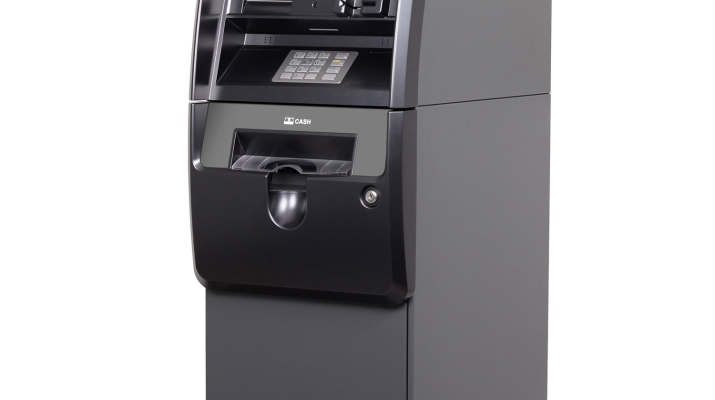
In today’s cash-driven economy, ATM machines play an indispensable role in our financial transactions, allowing us to access money quickly and conveniently. Despite the rise in digital payment methods, these machines remain pivotal in providing immediate cash when needed. With various features of ATMs available, such as cardless transactions and user-friendly interfaces, it’s essential to understand how to choose an ATM that meets your specific requirements. Additionally, factors like ATM accessibility and the various ATM fees associated with different locations can significantly affect your overall experience. This guide delves into the intricacies of ATM technology and offers insightful tips to help you navigate the world of ATMs with confidence.
Automated teller machines, often referred to as cash dispensers or banking terminals, have revolutionized how we handle day-to-day banking needs. These devices not only provide quick access to cash but also enable various transactions, suggesting their essential nature in our financial routines. When looking to utilize a banking terminal, it is crucial to consider how to select the right machine based on factors such as functional capabilities and the surrounding environment. Moreover, understanding potential charges and the convenience of nearby locations can improve accessibility for users. As technology advances, these cash dispensers begin to incorporate innovative features, making them more user-friendly and secure than ever before.
The Importance of Understanding ATM Fees
When selecting an ATM, understanding ATM fees is imperative to ensuring your financial efficiency. Many users are often caught off guard by various transaction charges that can quickly accumulate, especially when withdrawing cash from ATMs that are not affiliated with their own banks. For example, using an out-of-network ATM might incur both a surcharge from the ATM owner as well as a fee from your bank, leading to potentially higher costs per transaction than expected. Therefore, getting familiar with fee structures and assessing the total cost for regular withdrawal needs is a wise approach.
Additionally, some ATMs provide users the benefit of fee-free access, especially those part of large networks or partner banks. Being aware of these networks not only saves money but also ensures that you can make the most of your banking experience without incurring unnecessary charges. Users should also consider withdrawal limits enforced by different ATMs, as this can affect the amount of cash they can retrieve at any given time. Therefore, prior knowledge of ATM fees can significantly inform and influence your choice.
Frequently Asked Questions
What should I know about ATM fees before using an ATM machine?
Before using an ATM machine, it’s essential to understand the ATM fees associated with withdrawals, balance inquiries, and more. Fees can vary significantly, especially between bank ATMs and those in convenience stores. Look for ATMs within fee-free networks to avoid extra charges and be aware of withdrawal limits that may affect your cash access.
How can I ensure ATM accessibility for all users?
To ensure ATM accessibility, look for machines in safe, well-lit locations that are easy to find using mobile apps. Choose ATMs with user-friendly designs, such as large buttons, screen accessibility options, and audio assistance, particularly for elderly or disabled users, ensuring everyone can use them comfortably.
What are some advanced features of ATMs I should consider?
When evaluating ATMs, consider advanced features that enhance convenience, such as cash and check deposits, mini-statements, and bill pay services. Modern ATM technology also includes cardless withdrawals and enhanced security measures like biometric authentication, making transactions smoother and safer.
What is the best way to choose an ATM based on technology and security?
To choose an ATM based on technology and security, research ATMs that offer contactless payment options and secure features like EMV chip readers. Always check user reviews and comparison platforms to find machines equipped with the latest security technology, helping to keep your transactions safe.
| Key Consideration | Details |
|---|---|
| ATM Fees | Consider the transaction fees associated with withdrawals and other services. Look for fee-free networks and be aware of withdrawal limits. |
| Accessibility | Ensure the ATM is in a safe location and features user-friendly design elements for all users, including those with disabilities. |
| Technology | Modern ATMs have advanced features such as cardless withdrawals, contactless payments, and enhanced security measures like biometric authentication. |
| ATM Features | Look for ATMs that offer additional services like cash/check deposits, mini-statements, and bill pay capabilities. |
| Recent Developments | The trend towards cashless transactions has influenced ATMs to adapt with features such as mobile app integrations and robust security. |
| Research and Comparison | Utilize online comparison tools and user reviews to evaluate different ATMs based on location, fees, and functionality. |
Summary
ATM Machines remain a critical element in ensuring access to cash and services in today’s financial landscape. By understanding the key considerations such as fees, accessibility, technological advancements, and the latest features, you can make informed decisions when selecting an ATM that fits your needs. Navigating through the options available and leveraging technology can significantly enhance your banking experience, making it essential to choose wisely to maximize both convenience and safety.
ATM fees vary significantly across different banks and locations. Many banks charge fees for using ATMs that are not part of their network, which can add up quickly, especially for frequent users. Some banks offer fee-free withdrawals or reimburse fees imposed by other banks, making it essential for consumers to be mindful of their bank’s policies. Understanding the fee structure can help users minimize costs and make informed decisions about where to withdraw cash.
ATM accessibility is a critical issue, particularly for people with disabilities or those living in underserved areas. Modern ATMs are increasingly designed with accessibility in mind, featuring elements such as audio prompts for the visually impaired, higher placement for wheelchair access, and options for multiple languages. Additionally, it is important for ATM networks to expand their presence in rural and economically disadvantaged areas to ensure that everyone has reliable access to cash when needed.
Modern ATMs boast a range of features that enhance user convenience and security. Beyond the basic cash withdrawal, many ATMs now offer functions like depositing checks and cash, transferring funds between accounts, and even paying bills. Enhanced security features, such as card readers that detect skimming devices and biometric authentication options, are also becoming more common. These advancements not only make transactions faster and easier but also help to protect users from fraud.
Choosing the right ATM involves several considerations to ensure convenience and cost efficiency. Firstly, it’s wise to prioritize ATMs from your own bank’s network to avoid unnecessary fees. Second, users should consider the ATM’s location—whether it is in a safe area, well-lit, and accessible—especially during late hours. Lastly, checking for user reviews or feedback on the ATM’s functionality can guide individuals to more reliable machines that operate without issues.
ATM technology continuously evolves to meet the demands of users. Innovations, such as contactless card readers and mobile wallets, have streamlined the process of cash withdrawals, enhancing user experience and security. Advanced analytics are also being used to manage cash levels within ATMs more efficiently, reducing the chances of running out of cash and improving service reliability. As technology progresses, the integration of artificial intelligence and machine learning could further personalize ATM services and security measures.
Applying for a merchant account is a crucial step for any business looking to accept credit and debit card payments. The first step in the application process is to research and choose a payment processor that aligns with your business needs. Consider factors such as transaction fees, monthly fees, and customer service support. Once you select a processor, visit their website to begin the application. Typically, you will be required to provide information about your business, including its legal structure, ownership details, business type, sales volume, and banking information. In some cases, you may also need to submit personal information and a credit check.
After submitting your application, the payment processor will review your information, which may take a few days. They may reach out for additional documentation or clarification on certain aspects of your business. Once approved, you will receive your merchant account details, which will allow you to start processing electronic payments. To ensure a smooth application process and avoid potential delays, it’s beneficial to have all necessary documents ready, such as your business license, tax identification number, and bank statements. For a comprehensive guide on the application steps and to find a suitable payment processor, visit [insert relevant website or resource here].
