
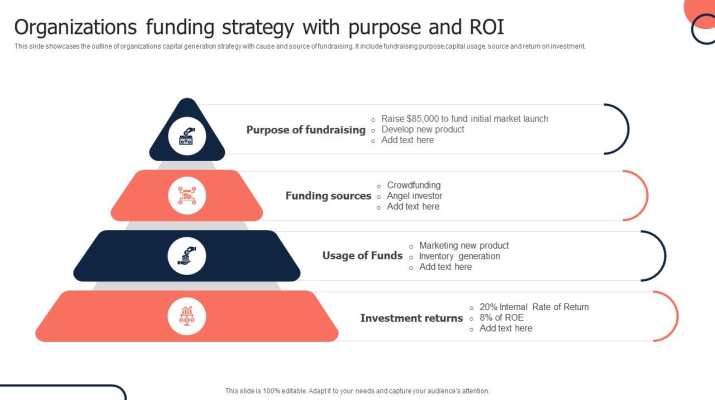
New Business Funding Strategies have become essential for aspiring entrepreneurs aiming to transform their innovative ideas into thriving companies. As traditional funding avenues often present daunting requirements, many founders are exploring alternative financing options that can provide the capital needed without compromising ownership. From peer-to-peer lending that connects borrowers directly with individual lenders, to venture capital funding that fuels growth based on promising business models, the landscape is rich with possibilities. Additionally, government grants for businesses offer invaluable support without the need for equity stakes, enabling entrepreneurs to innovate and expand confidently. Effective bootstrapping techniques also empower startups to thrive organically, minimizing reliance on external financial resources.
When launching a new venture, understanding the various avenues for securing capital is crucial for success. Innovative funding solutions encompass a range of choices, from crowd-sourced financing that taps directly into consumer interest to personalized lending platforms that democratize access to funds. Many entrepreneurs are also turning to institutional investments that not only provide significant financial backing but also valuable mentorship. Furthermore, government support through grants and subsidies presents a golden opportunity for emerging businesses to grow without sacrificing ownership. In this dynamic ecosystem of funding options, every entrepreneur can find the right strategy to foster their growth.
Exploring New Business Funding Strategies
Entrepreneurs today have access to a variety of innovative funding solutions that can help bring their business ideas to life. New business funding strategies have evolved significantly, leading to a broader spectrum of opportunities that cater to different needs and business models. Among these strategies, alternative financing options are becoming increasingly popular as traditional banks impose strict lending criteria that many startups struggle to meet. Entrepreneurs can utilize crowdfunding platforms like Kickstarter and Indiegogo to engage potential customers directly, allowing them to raise funds while simultaneously testing their market viability, thereby transforming their ideas into a sustainable business.
In addition to crowdfunding, options like peer-to-peer lending provide another avenue for securing necessary funding. This innovative strategy allows entrepreneurs to connect directly with individual investors who are willing to provide loans on more favorable terms than traditional financial institutions. With the growing trend of venture capital focusing on diverse sectors, entrepreneurs now have an array of possibilities to explore, helping them determine which financing option best aligns with their business plans and growth strategies.
Understanding Alternative Financing Options
Alternative financing options are revolutionizing the way new businesses secure the capital they need to begin operations or scale up. Beyond traditional loans and investments, these methods provide greater accessibility and flexibility for entrepreneurs who may have limited credit history or simple business models. Crowdfunding, for instance, empowers individuals to pitch their business ideas to a broad audience, often resulting in not just financial support but also a community of early adopters passionate about the product or service.
Moreover, businesses utilizing alternative financing options often find that they can retain a greater portion of their equity compared to traditional venture capital funding. This means that entrepreneurs are not only able to gather essential funds but also maintain control over their companies as they grow and adapt based on customer feedback and market demands.
The Rise of Peer-to-Peer Lending
Peer-to-peer lending has emerged as a transformative force in the financial landscape, allowing entrepreneurs to access funds without the bureaucratic barriers often associated with banks. This model connects borrowers directly with individual lenders, resulting in competitive interest rates and more streamlined approval processes. As a result, startups can secure capital more quickly to take advantage of market opportunities and accelerate growth.
In 2025, the popularity of P2P lending platforms like LendingClub and Prosper has soared, making them trusted resources for many entrepreneurs seeking funding. This approach not only broadens the pool of potential investors but also fosters a sense of community, enabling lenders to support businesses that align with their values and interests.
Navigating Venture Capital Opportunities
Venture capital funding is traditionally associated with technology startups; however, the focus has shifted, and VCs are now exploring diverse sectors, including sustainability and healthcare. For entrepreneurs willing to innovate and demonstrate a commitment to social impact, this presents an opportunity to tap into larger funding pools. With an increasing number of venture firms prioritizing sustainable business models, entrepreneurs should position their pitches strategically to highlight their potential for both profit and positive social contributions.
Additionally, startups in these sectors can leverage venture capital funding not just for financial resources but also for mentorship, industry connections, and best practices that can propel their business forward. As a result, it is essential for entrepreneurs to stay informed of the changing landscape within venture capital to effectively navigate these opportunities.
Leveraging Government Grants for Business Growth
Government grants represent a wealth of untapped financial resources that aspiring entrepreneurs can leverage for business growth. Programs like the Small Business Innovation Research (SBIR) grant are designed to encourage innovation and support startups focused on research and development. These grants offer non-dilutive funding, meaning entrepreneurs can secure financial backing without surrendering equity, making them an attractive option for businesses at any stage.
However, successfully navigating government grant applications requires diligence and a thorough understanding of eligibility criteria. Entrepreneurs must invest time in researching and preparing their applications to ensure they meet the specific requirements outlined by grant programs. By capitalizing on these funds, startups can accelerate their growth trajectory without the financial burden that often accompanies traditional financing routes.
Mastering Bootstrapping Techniques
Bootstrapping remains a classic yet effective strategy for entrepreneurs who prefer to keep control of their business while funding growth internally. This method emphasizes using personal savings or reinvesting initial business profits to sustain operations. By focusing on lean methodologies, entrepreneurs can minimize costs and create a viable business model that evolves with customer feedback.
The lean startup approach complements bootstrapping, encouraging innovators to develop their products incrementally and based on market demands rather than relying heavily on external funding. This not only reduces financial risk but also fosters a culture of adaptability, allowing businesses to pivot as needed and ultimately leading to long-term success.
The Importance of Diverse Funding Streams
In today’s dynamic business environment, relying on a single source of funding can be detrimental to an entrepreneur’s success. Instead, a multi-faceted approach that combines various funding sources—such as alternative financing options, venture capital, government grants, and bootstrapping—can provide the capital needed to navigate the ups and downs of entrepreneurship. This diversity in funding strategies allows for better financial stability and creates numerous avenues for growth and development.
Establishing diverse funding streams can not only safeguard entrepreneurs during economic downturns but also present new opportunities for expansion. By strategically blending short-term funding options with long-term investments, businesses can position themselves for sustainable growth while maintaining flexibility to adjust their strategies as market conditions evolve.
Tapping into Community Support through Crowdfunding
Crowdfunding has transformed the landscape for early-stage funding by enabling entrepreneurs to tap into their communities for financial support. By presenting their business concepts on platforms like Kickstarter, startups can not only raise the required capital but also gauge customer interest and gather invaluable feedback before launching their products. This direct engagement fosters a sense of community ownership among early supporters, which can be a significant advantage when building a brand.
While crowdfunding offers funding without the need for traditional investors, it also necessitates effective marketing and communication strategies. Entrepreneurs must articulate their vision clearly to evoke enthusiasm and investment from potential backers. Successful campaigns often combine storytelling with strategic marketing to create compelling narratives that resonate with their target audience.
Innovating Through Social Lending
Social lending is a growing trend that provides another alternative financing option for new entrepreneurs. By allowing individuals to lend to each other based on mutual agreements rather than through institutional banks, social lending enables greater flexibility in loan terms and repayment schedules. This fosters a more personal relationship between lenders and entrepreneurs, encouraging trust and long-term partnerships.
As social lending platforms gain traction, entrepreneurs should explore these avenues, especially if they have a compelling business narrative that resonates with potential lenders. The accessibility of social lending can be a game-changer for startups seeking to build their capital base while avoiding the stringent requirements of traditional financial institutions.
Crafting Business Plans to Attract Funding
To effectively attract funding from various sources, entrepreneurs must craft detailed and persuasive business plans. A well-structured funding proposal outlines the company’s vision, market opportunity, competitive analysis, and financial projections, addressing potential investors’ and lenders’ key concerns. This document not only serves to secure capital but also helps entrepreneurs clarify their own goals and strategies.
Whether seeking venture capital, government grants, or engaging in crowdfunding activities, a strong business plan can significantly enhance the entrepreneur’s appeal and likelihood of securing funding. Therefore, investment in crafting a strategic plan is crucial, as it demonstrates to potential backers the entrepreneur’s commitment and preparedness, paving the way for future success.
Frequently Asked Questions
What are some effective new business funding strategies for entrepreneurs?
Entrepreneurs can explore various new business funding strategies, including alternative financing options like crowdfunding, peer-to-peer lending, and venture capital funding. Crowdfunding platforms such as Kickstarter allow individuals to raise funds directly from the public, validating their ideas while building a customer base. Peer-to-peer lending connects borrowers with lenders, offering competitive rates without traditional banking constraints. Additionally, seeking government grants for businesses, such as the Small Business Innovation Research (SBIR) program, can provide vital funding without equity dilution. Bootstrapping techniques, which involve using personal savings or early sales revenue, remain a strong strategy to maintain financial control.
| Funding Strategy | Description | Benefits |
|---|---|---|
| Alternative Financing Options | Emerging sources such as crowdfunding that require fewer qualifications than traditional financing. | Validate business ideas, build customer base, retain ownership, and create marketing buzz. |
| Peer-to-Peer Lending | Direct borrowing from individual lenders using platforms like LendingClub and Prosper. | Quick access to capital, competitive interest rates, and flexible terms. |
| Venture Capital Focus | Funding from investors looking at diverse sectors beyond tech, focused on profitability and social impact. | Access to larger funding pools by aligning with trends in sustainability and innovative practices. |
| Government Grants | Non-dilutive funding programs like SBIR that support innovation and job creation. | Substantial financial support without giving away equity; helps early-stage growth. |
| Bootstrapping | Using personal savings or revenue from initial sales to fund business growth. | Tight financial control, reduced dependency on external funding, and organic growth model. |
Summary
New Business Funding Strategies have made it possible for aspiring entrepreneurs to find innovative ways to finance their ventures. The evolving landscape of business funding emphasizes diverse options such as alternative financing, peer-to-peer lending, venture capital investments, government grants, and the time-tested bootstrapping approach. Today, entrepreneurs are not just seeking capital but are also focusing on sustainable methods, social impacts, and active customer engagement. By capitalizing on these strategies, they can secure the necessary funds to transform their visions into reality while ensuring that their business models resonate with modern financial expectations.
In today’s financial landscape, many businesses are exploring alternative financing options to fuel growth and innovation. Unlike traditional bank loans, which can be difficult to obtain, these alternative avenues provide flexibility and accessibility for entrepreneurs seeking funding. For instance, peer-to-peer lending platforms allow individuals to lend money directly to businesses, often resulting in lower interest rates and fewer bureaucratic hurdles compared to conventional lending methods.
Venture capital funding is another popular alternative that many startups pursue, especially those in high-growth industries. Venture capitalists provide not only financial investment but also strategic guidance and access to valuable networks. This can accelerate a company’s growth trajectory but often comes with the expectation of rapid returns, making it suitable for businesses prepared for aggressive scaling.
Moreover, government grants for businesses can be a significant resource for entrepreneurs looking to reduce their financial burden. Unlike loans, grants do not require repayment, enabling startups to invest in important initiatives without the pressure of incurring debt. Various government programs are designed to support innovation, sustainability, and job creation, making grants an appealing option for qualifying businesses.
Bootstrapping techniques are another effective alternative financing strategy that many entrepreneurs use to maintain control of their business. This approach involves relying on personal savings, reinvesting profits, and minimizing expenses to grow the company organically. By adopting a frugal mindset and finding creative solutions to common challenges, bootstrapped businesses can thrive without external funding, although this path may require patience and resilience.
Overall, the landscape of alternative financing options is diverse and offers various pathways for businesses to secure the capital they need. Whether through peer-to-peer lending, venture capital, government grants, or bootstrapping, understanding these methods can empower entrepreneurs to choose the best strategy that aligns with their goals and vision, ultimately paving the way for sustainable growth.
Applying for a merchant account is a crucial step for businesses looking to accept credit cards and other forms of electronic payments. The first step in the application process typically involves selecting a merchant service provider that aligns with your business needs. This involves researching and comparing various providers based on their fees, contract terms, customer support, and the range of services they offer, such as payment gateway capabilities and point-of-sale systems. Once you have chosen a provider, the next step is to fill out an application form. This often includes providing your business details, such as its legal structure, industry type, estimated monthly sales volume, and banking information.
After submitting your application, the merchant service provider will typically review your business’s financial history and creditworthiness. This may involve a quick background check and, depending on the provider, could take anywhere from a few hours to several days. It’s important to be prepared with supporting documents, such as tax identification numbers, business licenses, and financial statements, to expedite this process. If approved, you will receive your merchant account details along with instructions on how to integrate payment processing solutions into your business. For more in-depth guidance on obtaining a merchant account, including tips on improving your application’s chances of approval, you can visit [Merchant Account Guide](https://www.merchantaccountguide.com).
