Securing **business funding with bad credit** can feel like an uphill battle for many entrepreneurs, but it doesn’t have to be. In today’s dynamic financial landscape, there are numerous avenues to explore, even for those struggling with poor credit histories. Understanding how to access funding despite bad credit can significantly influence your business’s success and sustainability. From alternative lenders willing to take a chance to grants for small businesses that you don’t have to repay, various options exist for obtaining necessary capital. In this article, we’ll discuss effective strategies and tips to help you navigate the complexities of financing your business, enabling you to turn your vision into reality.
When looking to finance your enterprise, delving into the realm of **capital acquisition with poor credit** is crucial. Many hopeful business owners find themselves at a crossroads when their credit scores hinder their funding efforts. However, alternate financial pathways exist that can help bridge the gap for those in difficult situations. This discussion will focus on innovative solutions—ranging from microloans tailored for individuals with financial difficulties to collaborative funding models that offer support without stringent credit evaluations. By broadening your perspective and exploring these alternatives, you can significantly enhance your chances of finding the necessary resources to propel your business forward.
Applying for a merchant account is a crucial step for businesses looking to accept credit card and electronic payments. The first step in the application process is to research and choose a reputable payment processor that meets your business’s needs. Look for providers that offer competitive rates, excellent customer service, and the range of services you require, such as point-of-sale systems, online payment integration, and fraud protection. Once you have chosen a provider, you can begin the application process, which typically involves filling out an online application form with your business information, including your entity type, business address, and financial details. You may also need to provide personal information about the business owner, such as Social Security numbers and identification documentation.
After submitting your application, the payment processor will review your information and may require additional documentation to verify your business and assess your risk profile. This can include bank statements, tax returns, and a copy of your business license. The approval process can take anywhere from a few hours to a few days, depending on the provider and the complexity of your application. Once approved, you’ll receive details on your merchant account setup and payment processing services. Make sure to carefully review the terms and conditions before signing any agreements. For more detailed guidance, you can visit [PaymentProcessor.com](http://PaymentProcessor.com), which offers resources and support specifically for small business owners looking to apply for a merchant account.
Exploring Alternative Lenders for Business Funding
When seeking business funding with bad credit, alternative lenders can be a lifeline for entrepreneurs facing tight financial situations. Unlike traditional banks, which often rely heavily on credit scores when evaluating loan applications, alternative lenders tend to consider other indicators of financial health. This can include cash flow, account history, and even future contracts. Online platforms such as Kiva and Fundbox have emerged as popular choices, enabling business owners to secure the necessary capital to start or expand their ventures without the stringent credit checks typically associated with conventional financial institutions.
Alternative lenders often cater to niche markets and underserved populations, providing access to funding that might otherwise be unavailable. For instance, companies like BlueVine specialize in providing lines of credit that focus primarily on business performance rather than personal credit history. This flexibility allows small business owners to obtain financing quickly and efficiently, which is particularly crucial for those looking to seize time-sensitive opportunities that could enhance their businesses.
Microloans: A Viable Solution for Entrepreneurs
Microloans can serve as an effective stepping stone for entrepreneurs struggling with bad credit. These small loans, usually offered by non-profit organizations like Accion, provide a manageable way for business owners to access funds without the expectations set by traditional financial institutions. A typical microloan ranges from a few hundred to a few thousand dollars, making it an ideal option for start-ups or small businesses that require a limited amount of capital to kickstart their operations or to bridge cash flow gaps.
The relatively low amounts and the personalized approach taken by microloan providers often make them more acceptable for individuals with poor credit histories. Additionally, microloans often come with lower interest rates than credit cards and provide borrowers with the chance to build their credit credibility. As borrowers repay their microloans, they not only relieve immediate financial pressure but also enhance their chances for bigger loans in the future, creating a sustainable growth strategy for their businesses.
Crowdfunding: Harnessing Collective Support for Business
In today’s digital age, crowdfunding has become an exciting and practical option for business owners, especially those facing credit challenges. Platforms like Kickstarter and Indiegogo allow entrepreneurs to present their business ideas directly to the public, garnering financial support without the need for traditional credit checks. This form of funding relies more on the strength of the business concept and the campaign’s appeal, offering an innovative way to accumulate the necessary capital.
Successful crowdfunding campaigns often utilize compelling storytelling, appealing visuals, and social media engagement to attract potential backers. This approach not only provides the necessary funds but also builds a loyal community of supporters passionate about the business’s success. Additionally, the non-refundable nature of crowdfunding contributions means business owners do not have to worry about debt, making it a unique alternative for those ineligible for loans due to bad credit.
Improving Your Credit Score for Better Funding Opportunities
Building and improving your credit score is a crucial step for any entrepreneur looking to secure business funding. Even small actions, such as regularly checking your credit reports for inaccuracies and ensuring timely bill payments, can greatly enhance your creditworthiness over time. Additionally, keeping your credit utilization below 30% is vital; this means not maxing out credit lines and using only a portion of your available credit, which demonstrates financial responsibility to future lenders.
Moreover, entrepreneurs should consider strategies like reducing outstanding debts and negotiating better payment terms with creditors. Such proactive measures can contribute significantly to an upward trend in credit scores, opening doors to better financing options in the future. With an improved score, entrepreneurs can access traditional loans and credit facilities, thus expanding their range of funding opportunities beyond alternative lenders.
Leveraging Assets: Using Collateral to Secure Funding
For business owners with bad credit, providing collateral is an effective way to mitigate lender risk and improve their chances of securing loans. Collateral can take various forms, including equipment, property, or inventory, making it a practical choice for businesses with tangible assets. This strategy not only enhances the likelihood of receiving financing but also may lead to better loan terms, such as lower interest rates or extended repayment periods, empowering entrepreneurs to focus on growing their businesses.
Different types of loans allow various assets to serve as collateral, including equipment financing, where businesses can use their machinery to secure loans. This unique lending structure provides a feasible path for entrepreneurs to receive immediate cash infusion while minimizing risk for the lender. Moreover, leveraging assets not only opens up funding avenues but also paves the way for building a solid credit history, which ultimately can lead to smoother financing processes in the future.
Invoice Financing: Improving Cash Flow with Outstanding Receivables
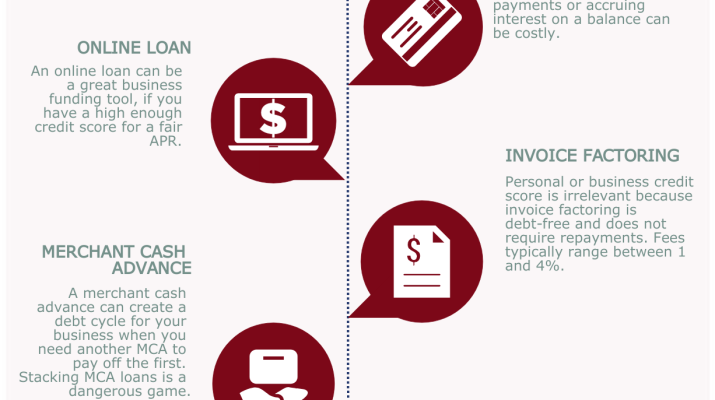
Invoice financing stands out as a practical solution for business owners struggling with cash flow due to unpaid invoices. This option allows entrepreneurs to sell their outstanding invoices to a third party—typically a finance company—at a discount, gaining immediate access to much-needed capital. By using this strategy, businesses can stabilize their financial situation while waiting for customers to pay their bills, thus reducing the burden of cash flow challenges.
This financing method is attractive to those with bad credit, as it mainly relies on the creditworthiness of the business’s customers rather than the business owner’s credit score. Essentially, as long as the customers have a good payment history, businesses can leverage their receivables to maintain positive cash flow. This can be especially crucial for small businesses that may not have the capital on hand to meet operational costs while awaiting customer payments.
Identifying Grants and Competitions for Financial Support
For entrepreneurs, research into available grants and competitions can reveal non-repayable funding options that present significant opportunities. Many local organizations, chambers of commerce, and non-profits offer grants specifically designed to support underserved entrepreneurs. Unlike traditional loans, grants can provide a financial cushion without the expectation of repayment, which is especially beneficial for individuals with bad credit looking to launch their businesses.
Participating in grant competitions can also enhance visibility and credibility for new ventures. Winning a grant can not only bolster finances but also provide valuable marketing opportunities that can attract additional support or investors. Entrepreneurs should actively seek out and apply for these opportunities, as feedback from grant submissions can further enhance business proposals and readiness for future applications, ultimately leading to greater success.
The Role of Professional Guidance in Business Financing
Navigating the complex world of business financing requires more than just understanding numbers; it also calls for strategic planning and professional insight. Financial advisors can provide tailored strategies that help entrepreneurs with bad credit to overcome their financial obstacles. By analyzing the specific financial situations, advisors can guide business owners toward the most suitable funding options that align with their goals and constraints.
Moreover, mentorship from experienced business professionals can offer invaluable wisdom and advice. Mentors can share insights on successfully securing funding, including what lenders look for in business proposals, helping entrepreneurs to fine-tune their pitches. This combined wisdom can be pivotal for business owners facing credit challenges, fueling their journey toward successfully acquiring the funding they need to thrive.
The Importance of Networking in Business Funding
Networking plays a critical role in the journey to secure business funding, particularly for entrepreneurs grappling with bad credit. Building connections with local business groups, attending industry events, and leveraging online networking platforms can expose entrepreneurs to new funding opportunities and potential investors willing to support their dreams despite their credit histories. Personal introductions often lead to more favorable outcomes than traditional lending applications, as investors may be more willing to take a risk on someone they know personally.
Moreover, a robust network can provide access to resources such as recommendations for grants, advice from experienced founders, and insights into alternative lending options. The more connections an entrepreneur fosters, the greater the chance of coming across angel investors or venture capitalists who can provide capital investment. By prioritizing networking efforts, entrepreneurs can significantly enhance their prospects of obtaining the necessary funding to launch or sustain their businesses, regardless of their credit situation.
| Funding Option | Description | Examples/Notes |
|---|---|---|
| Alternative Lenders | Lenders who have more flexible criteria than traditional banks. | Kiva, Fundbox, BlueVine. |
| Microloans | Smaller loans aimed at entrepreneurs with poor credit. | Accion. |
| Crowdfunding | Funding through community support without heavy reliance on credit scores. | Kickstarter, Indiegogo. |
| Business Credit Score Improvement | Enhancing business credit can improve funding opportunities. | Regular credit reviews, timely bill payments. |
| Personal Credit Cleanup | Cleaning personal credit can positively influence business funding. | Check errors, negotiate debts. |
| Collateral | Using business assets to secure financing. | Equipment financing. |
| Invoice Financing | Selling unpaid invoices for immediate cash flow. | Factoring. |
| Grants and Competitions | Opportunities that do not require repayment. | Local grants, business competitions. |
| Professional Guidance | Consulting experts for tailored strategies. | Financial advisors, mentors. |
| Networking | Building relationships to increase funding opportunities. | Attend events, connect with investors. |
Summary
Securing new business funding with bad credit can indeed be daunting, but there are numerous viable options available for entrepreneurs facing this challenge. By exploring alternative lenders, utilizing microloans, engaging in crowdfunding, and focusing on credit improvement, individuals can significantly enhance their chances of obtaining necessary funds. Additionally, leveraging assets, applying for grants, seeking professional guidance, and building strong networks can open up many more pathways to funding. Entrepreneurs are encouraged to take proactive steps towards improving their financial standing and creatively exploring funding avenues, which can ultimately lead to successful business ventures regardless of their credit history.
Business funding with bad credit can seem like an insurmountable challenge for many aspiring entrepreneurs. However, there are various strategies and resources available to help those with poor credit scores secure the financial support needed to launch or expand their ventures. Understanding how to get business funding in this landscape allows individuals to explore alternative lenders for bad credit that provide more flexible criteria compared to traditional banks. Additionally, microloans for bad credit and grants for small businesses can offer vital resources without the stringent requirements that conventional loans impose. By knowing where to look and how to improve credit scores for loans, entrepreneurs can increase their chances of turning their business dreams into reality.
Navigating the world of financing can be daunting, especially when seeking business capital with a less-than-perfect credit profile. Entrepreneurs often grapple with limited options, yet avenues such as non-traditional lending sources, crowd-sourced funding, and microfinance opportunities can provide a glimmer of hope. From exploring specialized loans designed for individuals with unstable credit histories to applying for grants and financial competitions, there are numerous pathways to secure much-needed capital. Gaining an understanding of these alternative funding mechanisms not only sets the stage for success but also empowers subsequent efforts to improve financial health. Ultimately, strategic planning and resourcefulness play pivotal roles in this journey toward sustainable business growth.
Frequently Asked Questions
How can I secure business funding with bad credit?
Securing business funding with bad credit can be challenging, but various options exist. Consider alternative lenders, such as online credit providers and peer-to-peer platforms, which often have less stringent credit requirements. Microloans and crowdfunding can also be viable routes for entrepreneurs with poor credit. Improving your business and personal credit scores through timely payments and reducing overall debt can enhance your chances of obtaining funding. Additionally, exploring grants and local competitions may provide non-repayable funds, helping you navigate your financial needs effectively.
Securing business funding can be a challenging endeavor, particularly for new ventures or businesses in their early stages. To start, it’s essential to prepare a comprehensive business plan that outlines your goals, financial projections, and strategies for growth. This plan will help in convincing potential investors or lenders of your business’s viability. Additionally, exploring multiple funding sources is crucial; options include traditional bank loans, personal savings, crowdfunding, angel investors, and venture capital. Each avenue has its own set of requirements and advantages, so understanding what suits your business needs best is key.
For entrepreneurs with bad credit, alternative lenders offer a viable solution to securing business financing. Unlike traditional banks that often rely heavily on credit scores, alternative lenders may look at other factors such as revenue, business performance, or personal collateral. Options like peer-to-peer lending, online lenders, and community development financial institutions (CDFIs) provide more flexible terms and can help businesses with less-than-perfect credit access the funds they need.
Grants for small businesses represent a coveted source of funding because they do not require repayment. Unlike loans, grants are typically awarded to businesses based on specific criteria related to innovation, sustainability, or community impact. Various organizations, including federal and state governments, nonprofits, and private enterprises, offer grants. To increase your chances of receiving one, it’s vital to conduct thorough research into available grants, tailor your applications to meet the grant objectives, and clearly demonstrate how your business fits their mission.
Microloans serve as a practical option for those struggling with bad credit, providing small amounts of capital to micro-entrepreneurs or small businesses. Programs such as those offered by the Small Business Administration (SBA) often cater to businesses that don’t qualify for traditional bank loans due to credit issues. Microfinancing can help cover essential expenses, and these loans typically have lower interest rates and more favorable repayment terms, making them accessible for many who might be denied elsewhere.
Improving your credit score is crucial for gaining access to various loan options. Start by reviewing your credit report for inaccuracies and disputing any errors you find. Timely payment of bills, reducing existing debt, and keeping credit card balances low can significantly enhance your credit rating over time. Consistently monitoring your credit score can also provide insights into areas that need improvement, which is essential when preparing to apply for business loans.
Navigating the world of business funding with bad credit can be daunting for many aspiring entrepreneurs. The first step is to broaden your understanding of available options. While traditional banks often look for high credit scores when approving loans, there are numerous alternative lenders ready to support business owners with less-than-perfect credit histories. By researching options such as peer-to-peer platforms or online lenders, you can discover flexible funding solutions that may not place as much emphasis on personal credit scores. This opens doors to financing opportunities that could help you launch or expand your business efficiently.
In addition to alternative lenders, utilizing microloans can be an effective strategy. Offered by organizations focusing on supporting underserved communities, these smaller loans typically feature lower interest rates and more lenient credit requirements. This allows entrepreneurs, even those with bad credit, to access funds responsibly while also creating a foundation for improving their creditworthiness. By responsibly managing such loans, business owners can demonstrate their reliability to future lenders, gradually rebuilding their credit while fueling their business growth.
Crowdfunding also presents an innovative path to securing business funding without delving into the complexities of credit scores. Platforms such as Kickstarter and Indiegogo allow you to pitch your ideas to potential backers, gaining funds directly from interested individuals. It’s essential to present your business concept compellingly, employing strong visuals and storytelling that resonate with the audience. This method not only raises the necessary capital but can also create a community around your brand, fostering support and engagement long after the funding goal has been met.
Understanding and improving your business credit score should be a priority for anyone seeking funding with bad credit. This involves developing a positive track record, such as paying bills on time and keeping credit utilization low. By implementing practices that strengthen your credit profile, you signal to potential lenders that you are a responsible borrower. This improved credit standing can lead to better interest rates and loan terms when pursuing future funding opportunities.
Offering collateral can significantly enhance your chances of securing financing despite having bad credit. By backing your loan with business assets, such as equipment or real estate, you reduce the perceived risk for lenders. This collateral can provide them with the assurance needed to approve your loan request, allowing you to receive the necessary funds while protecting yourself against unfavorable interest rates or conditions. For those with invoice-based businesses, engaging in invoice financing can turn outstanding invoices into immediate cash flow, alleviating short-term liquidity challenges.
Seeking local grants and participating in business competitions is a proactive approach to obtaining funding that does not require repayment. Many organizations aim to assist entrepreneurs, particularly those facing credit challenges. These grants can be found through local chambers of commerce, community development programs, or specialized industry competitions. Researching these opportunities and preparing strong applications can offer invaluable financial support, helping you grow your business while bypassing the hurdles of high-interest loan repayments.
Finally, building a strong network can open doors that may have seemed closed due to bad credit. Engaging with fellow entrepreneurs, attending networking events, and seeking mentorship can lead to valuable connections with individuals who may be interested in investing in your business. These personal relationships can provide not just financial backing but also important guidance and resources that enhance your overall business strategy. Remember, while bad credit may pose challenges, it does not define your entrepreneurial potential.