
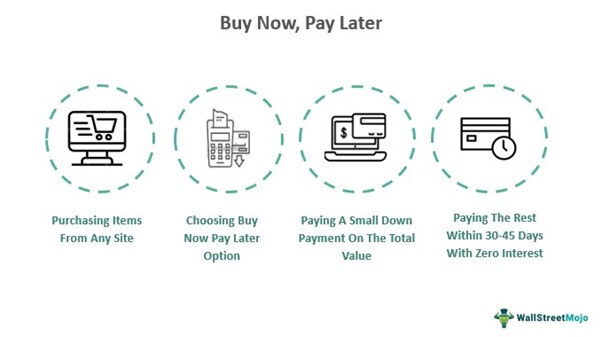
The rise of buy now, pay later (BNPL) services has revolutionized the way consumers approach their purchasing decisions. In this expanding BNPL industry, consumers can easily split payments into manageable installments, making shopping more accessible and attractive. Financial technology companies are now stepping into domains traditionally dominated by banks, offering innovative services like deposit accounts and debit cards. This shift not only expands their financial offerings but also intensifies competition within the banking sector. As more consumers embrace these flexible payment options, the demand for buy now pay later services is expected to surge, ultimately changing the landscape of personal finance.
Alternately described as flexible payment solutions, pay later schemes have become increasingly popular among savvy shoppers seeking to manage their budgets effectively. These innovative financial products allow customers to make immediate purchases while deferring payments, thus enhancing their shopping experience. With numerous fintech companies entering this space, the collaboration between buy now, pay later providers and banks has led to a meld of online and traditional banking services. By offering interest-free installments in combination with debit card perks, these services are set to disrupt economic norms and propel the finance industry into a new era. As retailers adopt these payment options, their appeal continues to grow among diverse demographics, reshaping consumer behavior.
Applying for a merchant account is an essential step for businesses that wish to process card payments and manage transactions efficiently. To begin the application process, businesses need to gather relevant information such as their legal business name, tax identification number, and banking details. Often, acquirers or payment processors require information about the nature of the business, sales volume estimates, and the types of products or services offered. Completing a merchant account application can be done online through various payment processors’ websites, where each provider may have its unique processes and requirements. Be sure to review the comparison of fees and services of different providers, ensuring that your chosen merchant service fits the specific needs of your business while offering competitive rates.
Once you’ve submitted your application, the approval process typically takes anywhere from a few minutes to several days, depending on the provider. After approval, merchants can set up their payment gateway, integrate it with their online or point-of-sale systems, and start accepting transactions. Furthermore, it might be beneficial to familiarize yourself with newer payment options such as Buy Now Pay Later (BNPL), as they are becoming increasingly popular and could enhance your customer offering. For more detailed information on applying for a merchant account and understanding emerging trends like BNPL, check out the article on Payments Dive: https://www.paymentsdive.com/news/buy-now-pay-later-fintechs-bank-competition/803602/.
Understanding the Rise of Buy Now Pay Later Services
The emergence of buy now pay later (BNPL) services has transformed the financial technology landscape, creating alternatives to traditional banking methods. As these services continue to grow, they are not only offering individual consumers a flexible way to manage payments, but they are also reshaping the competitive dynamics within the financial sector. BNPL providers, initially recognized for their unique installment buy options, are fast evolving into full-service payment solutions that rival conventional banking services, including debit cards and savings accounts.
The appeal of BNPL stems from its democratization of access to financial tools, allowing customers to make purchases and pay in installments without incurring interest, provided they adhere to payment schedules. This innovation resonates particularly with younger consumers who prefer managing their finances without traditional credit scores restricting their options. As financial technology firms leverage these services, they are positioning themselves as critical players in the payments industry.
The Intersection of Banking and Financial Technology
The blending of banking services and financial technology through BNPL has given rise to significant opportunities for both sectors. For instance, companies like Klarna and Affirm are not only competing with banks but are also collaborating with them to enhance their service offerings. This synergy aims to provide a more comprehensive solution for consumers who are looking for convenience and flexibility in managing their finances. As banks recognize the increasing demand for BNPL services, they are beginning to introduce similar products to retain customer loyalty.
Moreover, this intersection allows banks to leverage advanced technology, including artificial intelligence, to streamline account creation and enhance customer experiences. By working together, banks and fintech can combine trust and reliability with innovative solutions, effectively competing against each other while broadening consumer access to essential banking functions.
Klarna and Its Expanding Debit Card Offerings
Klarna has recently made headlines with its expansion of debit card offerings in the United Kingdom, a move that aligns with its goal to disrupt traditional retail banking. This strategic evolution underscores the company’s intent to provide a seamless shopping experience for consumers, making it easier for them to use their debit cards for purchases while utilizing BNPL services. Such offerings enable Klarna to position itself strongly within the competitive fintech space, attracting consumers who prefer integrated financial solutions.
By enhancing its debit card functionalities in line with BNPL services, Klarna strategically caters to an evolving demographic that appreciates streamlined payment methods. This alignment with consumer preferences not only underscores the potential for increased user engagement but also illustrates the shifting attitudes towards traditional banking, where fintech companies increasingly offer tailored financial products.
The Role of Block’s Cash App in BNPL Integration
Block’s Cash App has emerged as a frontrunner in integrating financial technology with buy now pay later services through its Afterpay platform. This collaboration has propelled Cash App’s standing in the market, encouraging users to adopt BNPL for their purchases seamlessly. The initiative represents a significant shift in how consumers perceive payment options, showcasing the growing comfort with BNPL services among users of contemporary banking apps.
Moreover, with Afterpay integrated into Cash App, Block can appeal to a more extensive user base eager to manage spending efficiently. Reports of one million active users utilizing Afterpay highlight a period of unprecedented growth, underscoring the effectiveness of combining traditional banking instruments with innovative financial products.
Consumer Preferences Shifting Towards BNPL Solutions
As consumer preferences continue to evolve, the demand for buy now pay later solutions is becoming increasingly prominent. Traditional banking methods are often seen as cumbersome, with consumers seeking more transparent and flexible financial management options. The BNPL model meets these needs, allowing users to access immediate purchasing power without the complications associated with credit cards or loans.
The shift toward BNPL indicates a broader trend where consumers prioritize financial flexibility and transparency, leading to a re-evaluation of their banking relationships. Financial institutions are keenly aware of this trend and are adapting by launching their own BNPL offerings to compete with fintech advancements.
The Competitive Landscape of BNPL Industry
The BNPL industry is becoming increasingly competitive as traditional banks start entering this space, recognizing the popularity and potential of payment installment options. Institutions like Citizens Bank and Synchrony are rolling out services that mirror those of popular BNPL companies, enabling them to retain and attract customers who may otherwise turn to alternative financial solutions.
However, BNPL providers such as Affirm and Klarna remain at the forefront of this competitive landscape, leveraging their consumer-friendly technology and ease of use. This dynamic creates a situation where both banks and BNPL firms must continuously innovate to differentiate themselves, leading to a diverse range of financial products that cater to varying consumer needs.
Technological Innovations Fueling BNPL Growth
Technological advancements are propelling the growth of the BNPL sector, with artificial intelligence playing a pivotal role in developing customer-friendly solutions. The ability to establish accounts swiftly and efficiently through BNPL platforms gives them a considerable advantage over traditional banks, which often face bureaucratic hurdles in account setup.
As fintech companies invest in technology that enhances customer engagement and payment processing, the BNPL industry continues to flourish. The rapid evolution of AI and data analytics helps these companies tailor their offerings to suit individual user behaviors, ultimately driving broader adoption of BNPL services across demographic segments.
Strategic Alliances Between Banks and BNPL Providers
The relationship between banks and BNPL providers is increasingly collaborative, with banks recognizing the need to adapt to changing consumer demands. Companies like Splitit have formed strategic alliances with banks via software partners to expand their BNPL services effectively, highlighting the trend of cooperation over competition.
Such partnerships enable traditional banks to integrate modern payment options within their existing offerings while providing BNPL companies access to larger customer bases, thereby creating a win-win scenario that could change the financial landscape for years to come.
Future Trends in the BNPL and Banking Relationship
Looking ahead, the integration of BNPL services within traditional banking systems is likely to deepen, with more firms exploring innovative partnerships. The strategic collaboration between BNPL startups and established financial institutions can create hybrid models that appeal to a broader audience seeking flexibility in payment options and financial services.
Moreover, as consumer behavior continues to shift towards online shopping and digital payments, the BNPL model is poised for sustained growth. By capitalizing on these trends, both banks and BNPL providers can enhance their offerings, ultimately meeting the evolving needs of their clientele and ensuring they remain relevant in an increasingly competitive landscape.
| Key Points | Details |
|---|---|
| Expansion of BNPL Services | BNPL is introducing bank-like services such as deposit accounts and debit cards. |
| Competitive Landscape | BNPL companies are becoming one-stop shops for payment and financial services, increasing competition with banks. |
| Bank Collaborations | Many BNPL firms collaborate with banks to enhance their service offerings. |
| User Engagement | BNPL services, like those from Klarna and Affirm, are easily integrated into debit card services, boosting user sign-ups. |
| Technological Advancements | AI is enabling BNPL services to create customer accounts quickly, often before checkout. |
| Unique Offerings | BNPL products often include interest-free installment plans, differentiating them from traditional bank loans. |
Summary
Buy now pay later (BNPL) services continue to revolutionize the financial landscape by merging traditional banking functions with modern financial solutions. As firms like Klarna and Affirm innovate by providing services such as deposit accounts and debit cards, they not only expand their clientele but also introduce formidable competition for established banks. While BNPL offers attractive payment options like interest-free installments and rapid account creation, the partnership dynamics with banks suggest a balanced evolution in the finance sector rather than an outright confrontation. This trend of collaboration and integration highlights the potential for BNPL to coexist with traditional banking methods while catering to modern consumer needs.
The buy now pay later (BNPL) model has revolutionized the way consumers approach shopping and financial transactions. By allowing customers to split their purchases into manageable, interest-free payments, BNPL services have quickly become a preferred option for shoppers looking to make their budgets stretch further. The BNPL industry has experienced substantial growth, intertwining with the realm of financial technology to offer services typically associated with banks, including debit card offerings and enhanced consumer financial products. As this trend gains momentum, collaborations between banks and BNPL providers have become increasingly important, positioning these companies as serious competitors in the financial landscape. With a focus on user-friendly payment solutions, buy now pay later services are not just changing consumer behavior; they’re reshaping the future of retail finance.
Known by terms such as installment payment services or deferred payment solutions, the buy now pay later concept is gaining traction among consumers and retailers alike. This financial innovation allows shoppers to acquire goods immediately while postponing the full payment, which is particularly appealing in today’s economic landscape. Leading companies in this space, from fintech startups to established financial institutions, are rapidly expanding their offerings to include features typically reserved for traditional banking, effectively merging the lines between various types of financial services. In addition, the growing acceptance and integration of these payment methods are pushing banks to rethink their strategies in maintaining customer loyalty and engagement. As alternatives to traditional credit cards, these services are increasingly viewed as a smart financial tool for millions of consumers.
Frequently Asked Questions
What is the ‘buy now pay later’ (BNPL) industry and how does it function?
The buy now pay later (BNPL) industry allows consumers to purchase items and pay for them in installments over time, often interest-free. This service has gained popularity as a flexible payment option that helps consumers manage their cash flow, making it easier to afford purchases without accruing credit card debt.
How are buy now pay later services transforming traditional banking?
Buy now pay later services are transforming traditional banking by offering services traditionally associated with banks, such as debit cards and customer deposit accounts. This blurs the lines between fintech companies and banks, making the BNPL industry a competitive player in financial technology.
Do buy now pay later companies collaborate with banks?
Yes, many buy now pay later companies collaborate with banks to enhance their offerings. For example, Klarna has partnered with JPMorgan Chase, and Affirm is working with Fidelity National Information Services to integrate their BNPL services into bank card programs.
What are the benefits of using debit card offerings from buy now pay later services?
Debit card offerings from buy now pay later services provide users with the flexibility to make purchases using the BNPL model, allowing them to spend responsibly without relying heavily on credit. This integration also promotes ease of use and convenience in managing payments.
How does the buy now pay later model support consumers financially?
The buy now pay later model supports consumers financially by allowing them to divide purchases into smaller, manageable payments. This can help prevent financial strain and make budgeting easier, especially for larger expenses.
How have banks responded to the rise of buy now pay later services?
Banks have responded to the rise of buy now pay later services by introducing their own BNPL products to compete with fintech firms. This highlights a growing trend where traditional banks acknowledge the need to innovate and retain customers in a rapidly changing financial landscape.
What role does technology play in the buy now pay later industry?
Technology plays a crucial role in the buy now pay later industry by facilitating rapid account creation, enabling seamless transactions, and allowing BNPL services to analyze consumer data for better lending decisions. This technological advancement enhances user experience and speeds up payment processes.
Can buy now pay later services offer interest-bearing loans?
Yes, in addition to initially offering interest-free installment plans, many buy now pay later services have started offering interest-bearing loans, providing more options for consumers depending on their financial needs and credit assessment.
What should consumers consider before using buy now pay later services?
Consumers should consider their overall financial health, the terms of the BNPL agreement, and their ability to make timely payments before using buy now pay later services. It’s essential to ensure that this payment method aligns with their budget to avoid potential fees or debt.
The Buy Now Pay Later (BNPL) industry has seen a significant boom as consumers increasingly seek flexible payment options in their shopping experience. BNPL services allow customers to purchase items immediately while spreading the payment over time, usually without incurring interest, making it an attractive alternative to traditional credit methods. This surge in popularity highlights a fundamental shift in consumer behavior, as many prefer the instant gratification of purchasing now and managing payments later, particularly for larger ticket items.
At the intersection of financial technology and customer-centric payment solutions, BNPL services leverage new digital platforms to streamline the buying process. These services are often embedded directly into e-commerce sites, allowing for a seamless shopping experience. Users can select BNPL at checkout, creating a frictionless approach that encourages higher sales conversion rates for retailers. As financial technologies evolve, the competition among providers continues to increase, fostering innovation and enhancing consumer choices.
The integration of debit card offerings into the BNPL landscape is a pivotal development. By allowing users to pay using their debit cards, BNPL providers enhance accessibility for those who may not have traditional credit cards or prefer to avoid debt. This move caters to the growing segment of financially-savvy consumers who value budgeting and want to exert control over their spending. Furthermore, the appeal of using debit cards may attract a wider demographic, including younger consumers who are less likely to own credit cards.
Collaboration between banks and BNPL firms is reshaping the financial services landscape in ways that benefit both parties. Banks can leverage BNPL services to attract new customers and retain existing ones by incorporating these options into their existing product offerings. Meanwhile, BNPL companies gain credibility and customer trust through association with established financial institutions, allowing them to access a broader market. This symbiotic relationship not only accelerates the growth of the BNPL sector but also enriches the overall digital banking experience for consumers.
Source: https://www.paymentsdive.com/news/buy-now-pay-later-fintechs-bank-competition/803602/
The transformation of financial services through Buy Now Pay Later (BNPL) solutions illustrates a seismic shift in how consumers interact with payment systems. Once limited to interest-free installment plans that disrupted the retail landscape, BNPL providers like Klarna and Affirm are now expanding their offerings to include traditional banking services such as debit cards and checking accounts. This innovation positions BNPL firms as significant competitors to traditional banks, compelling financial institutions to rethink their service models. With immediate consumer account setups enabled by advanced technology, BNPL companies are not only enhancing customer experience but also attracting a younger, tech-savvy clientele eager for flexible payment options.
As BNPL firms diversify their products, they challenge the traditional banking sector in new ways. Companies like Block and its Cash App are integrating BNPL features directly into payment systems, creating a seamless experience for users. With Afterpay achieving over one million active users, it becomes evident that consumer preferences are shifting towards platforms that offer both payment flexibility and digital payment tools in one cohesive package. This trend highlights the increasing importance of convenience and user experience in financial services, as consumers seek integrated solutions that transcend conventional banking.
Despite the aggressive expansion of BNPL services, traditional banks still hold significant advantages, especially in areas like mortgages and long-term loans. Banks are beginning to adapt by introducing their own BNPL-like services to remain competitive, indicating a recognition of the changing financial landscape. Citibank and Synchrony, among others, have ventured into offering installment loans, but they face challenges in matching the speed and simplicity of BNPL sign-ups. This acknowledgment of competition is prompting banks to enhance their customer relationships and trust, leveraging their established presence to attract customers who value personal interaction.
The evolving dynamic between BNPL companies and banks is not solely one of rivalry; it is also characterized by collaboration. Partnerships, such as Splitit’s relationship with DXC and Klarna’s alliance with JPMorgan Chase, demonstrate a move towards a more synergistic approach to consumer finance. These collaborations allow banks to incorporate BNPL services into their existing frameworks, thus enabling them to meet consumer demands without completely overhauling their operational models. Such strategies not only help retain existing customers but also attract new users who are increasingly leaning towards more flexible payment options.
The BNPL industry’s growth reflects a broader trend in financial technology where innovation, speed, and customer-centric approaches define success. As traditional banks grapple with new consumer expectations, both sectors may find opportunities to coexist and thrive within the same ecosystem. The challenge for traditional banks will be to maintain their core values of trust and service while innovating at a pace that meets the needs of a digital-first generation. This intersection of BNPL services and banking could well define the future landscape of financial services, paving the way for a more integrated and customer-friendly approach to personal finance.
