
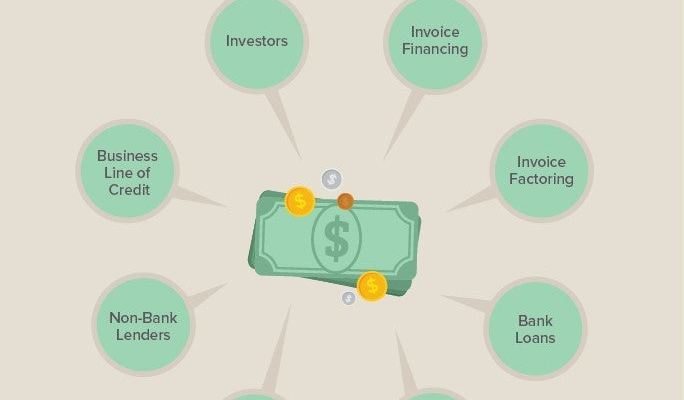
In today’s dynamic business environment, new business funding options have emerged as essential lifelines for aspiring entrepreneurs. Navigating the complexities of startup funding is vital for success, as innovative solutions like venture capital, crowdfunding, and revenue-based financing reshape the landscape. Each funding alternative offers unique benefits; for instance, venture capitalists provide substantial capital in exchange for equity, while crowdfunding allows founders to rally community support for their ideas. Additionally, revenue-based financing offers flexibility by linking repayments to revenue streams, catering to the unpredictable nature of startups. As entrepreneurs explore these avenues, understanding their choices becomes critical for unlocking the potential that lies within every new venture.
Launching a venture can be both exhilarating and daunting, especially when it comes to funding. Various financial avenues, such as angel investing and alternative funding mechanisms, have gained traction in recent years, offering businesses the resources they need to thrive. Many entrepreneurs are now turning to non-traditional sources that allow them to democratize their access to capital. With options ranging from crowdfunding campaigns to adaptive financial models, emerging businesses can cultivate diverse funding strategies tailored to their unique needs. Embracing these modern financing methods positions startups to not only survive but flourish in the competitive market.
Applying for a merchant account is a crucial step for any business looking to process credit card transactions and manage electronic payments efficiently. The first step in the application process is to research and select a payment processor that aligns with your business needs, as there are various options available with different fees, services, and contract terms. Once you have identified a suitable provider, you will typically need to fill out an online application form. This form will require detailed information about your business, including ownership structure, industry type, estimated sales volume, and banking information. Providing accurate documentation like tax ID, business licenses, and financial statements will speed up the approval process.
After submitting your application, the payment processor will review your information to assess your business’s risk profile and determine your eligibility for a merchant account. This review may include a background check on the business owners and a verification of your credit history. Depending on the provider, you may also be asked to provide additional documentation or undergo interviews. If approved, you’ll receive your merchant account along with instructions on setting it up, integrating payment systems, and understanding the fee structure. Resources such as the websites of leading payment processors often provide step-by-step guidance on how to apply effectively, ensuring that you meet all necessary criteria for swift approval.
Exploring New Business Funding Options for Startups
Navigating the financial landscape is one of the most challenging aspects for entrepreneurs launching new ventures. The variety of funding options available today is extensive, ranging from traditional banking loans to innovative funding methods like crowdfunding and revenue-based financing. Each option caters to different needs and scenarios; therefore, understanding the ins and outs of each funding type is crucial for startup success. New business funding options enable founders to choose the best fit for their financial requirements, allowing them to scale and develop their operations effectively.
Moreover, startups can benefit significantly from employing a mix of funding strategies. By diversifying their financial sources, entrepreneurs reduce dependency on any single funding type, which mitigates risks related to market fluctuations. For instance, combining venture capital with crowdfunding can provide not only immediate funds but also valuable market validation from potential customers, which sets a firm foundation for growth and innovation.
Venture Capital Trends: Opportunities for Startups
In the ever-evolving startup ecosystem, venture capital remains a linchpin for many emerging companies. Recent data shows a notable increase in early-stage investments, particularly in seed and Series A rounds. This influx of capital presents abundant opportunities for entrepreneurs looking to drive their businesses forward. However, startups must also recognize the evolving nature of VC, which increasingly prioritizes firms that demonstrate social responsibility and sustainability in their operations. This shift reflects a broader trend where investors are not just looking for impressive financial returns but are also interested in the impact their investments have on society.
The resurgence of venture capital in the startup landscape comes amidst changing economic conditions, indicating resilience in investor confidence. Angel investors and VCs are continually on the lookout for innovative business models that align with current consumer trends. As startups increasingly incorporate sustainable practices, they may not only secure funding but also become leaders in their respective markets. Keeping abreast of these trends allows entrepreneurs to align their business strategies with investor expectations, enhancing their chances of attracting the necessary funding.
Harnessing the Power of Crowdfunding for Startup Success
Crowdfunding has emerged as a game-changer for startups, providing a platform that allows businesses to bypass traditional financial channels and engage directly with potential customers. Platforms like Kickstarter and Indiegogo enable entrepreneurs to secure funds while simultaneously building a community around their product. This unique approach not only facilitates initial capital raising but also validates business ideas before they hit the market. Consequently, startups that utilize crowdfunding often see heightened customer interest and loyalty, which can lead to long-term success.
The appeals of crowdfunding lie in its accessible nature and the ability to showcase innovative projects to a broad audience. Entrepreneurs have the chance to tell their stories, share their visions, and attract passionate supporters who are interested in their products. Additionally, a successful crowdfunding campaign can serve as a powerful marketing tool, generating buzz even before the official product launch. As more startups look to leverage crowdfunding, understanding how to create an engaging pitch and reward structure becomes pivotal.
Revenue-Based Financing: Flexibility for Growing Startups
Revenue-based financing has gained traction among startups seeking financial flexibility. Unlike traditional equity financing where companies give up a portion of ownership, this model allows startups to secure funds in exchange for a percentage of future revenues. This approach can be particularly advantageous for businesses with fluctuating income streams, as it aligns repayment with the cash flow of the company. As reported by Crunchbase, this funding option is increasingly favored by entrepreneurs looking to retain control of their companies while accessing much-needed capital.
What makes revenue-based financing particularly appealing is its adaptability. Startups are often in uncertain and volatile environments, making traditional loan repayments challenging, especially during slower sales periods. Revenue-based financing alleviates some pressure by adjusting repayment rates according to the company’s income, providing a safety net that encourages sustainable growth. Entrepreneurs who explore this option can position themselves to weather market uncertainty while still pursuing their growth objectives.
Leveraging Government Support and Programs for Startups
Beyond private investment, government support plays a critical role in nurturing new businesses. Various grants and subsidies aimed at fostering innovation in technology and other sectors help alleviate financial burdens faced by startups. Programs provided by the Small Business Administration and other national entities focus on equipping entrepreneurs with the resources they need to excel. These initiatives not only offer essential financial support but also provide a framework within which startups can thrive.
In addition to grants, government-backed accelerator programs have been instrumental in supporting startups by offering mentorship and access to valuable networks. These programs are increasingly evolving, often integrating partnerships with universities and private organizations. By participating in such initiatives, startups can gain insights from seasoned industry professionals, which enhances their chances of success in a competitive marketplace. The blend of funding and mentorship provided by these programs represents a significant opportunity for startup founders.
The Ascendancy of Angel Investing in Startup Ecosystems
Angel investing has emerged as a vital source of funding for startups, especially as platforms become more accessible to a broader audience. Traditionally associated with high-net-worth individuals, angel investing is now being democratized, allowing smaller investors to contribute to promising startups. This shift not only expands the pool of potential funding but also encourages community investment and increased financial participation within the entrepreneurial ecosystem.
As noted in industry discussions, the rise of micro-investing platforms is key to the evolution of angel investing. By lowering the barriers to entry, everyday individuals can join in funding startups they believe in. This collective approach not only mitigates risks for the startups by diversifying their funding sources but also fosters a communal bond with their investors, who are likely to be more engaged and supportive. For entrepreneurs, embracing the angel investing landscape means tapping into a channel that can provide both capital and invaluable connections.
The Future of Startup Funding: Navigating New Avenues
The startup funding landscape is undergoing significant transformation, driven by evolving market demands and technological advancements. Entrepreneurs must stay informed about emerging funding options as they navigate these changes. The increasing tendency of venture capitalists to focus on sustainability, coupled with the growth of alternative mechanisms such as crowdfunding and revenue-based financing, indicates a shift toward a more diversified funding ecosystem. It is essential for startups to explore these avenues for potential partnerships and growth opportunities.
As the funding environment becomes more dynamic, adaptability is crucial for entrepreneurs. The ability to pivot and embrace new financial strategies not only ensures survival but can also lead to significant growth in competitive markets. By leveraging various funding options, including government programs and angel investing, startups position themselves to unlock their full potential and drive innovation forward. For aspiring business owners, understanding these trends ensures they remain competitive and resilient in their pursuit of success.
Success Strategies for Securing Startup Funding
To effectively secure startup funding, entrepreneurs must develop a clear strategy that outlines their business model, market differentiation, and financial projections. This strategic approach is vital when presenting to potential investors, ensuring they understand the value proposition and growth potential of the business. Moreover, creating a compelling narrative around the startup’s mission and vision can significantly influence investor confidence, making them more likely to invest.
In addition to having a solid business plan, startups should prioritize networking and building relationships within their industry. Participating in social events, workshops, and entrepreneurial gatherings helps create valuable connections with potential investors and mentors. By actively engaging with the startup community, entrepreneurs not only enhance their visibility but also gain insights into best practices and funding opportunities. Networking combined with a strategic funding plan can lead to successful financial backing from various sources.
Embracing Innovation in Startup Financing
As the landscape for startup funding evolves, embracing innovative financing solutions is essential for modern entrepreneurs. Traditional funding methods are complemented by new options such as equity crowdfunding and revenue-based financing, which provide diverse pathways for securing capital. By exploring these alternative funding sources, startups can harness cutting-edge mechanisms that align more closely with their unique business models and growth strategies.
Moreover, startups should stay agile and responsive to trends within the funding ecosystem. Keeping an eye on shifts in angel investing, venture capital preferences, and government support can position entrepreneurs to seize opportunities as they arise. In a rapidly changing business environment, the willingness to adapt to innovative financing solutions not only opens doors to additional funding but also strengthens a startup’s overall market position.
| Funding Option | Description | Benefits | Trends |
|---|---|---|---|
| Venture Capital | Funding provided by investors in exchange for equity in the startup. | Access to large sums of capital and guidance from experienced investors. | Resurgence in early-stage investments focusing on sustainability. |
Summary
New business funding options are abundant and varied, enabling entrepreneurs to strategically navigate their financing challenges. In recent times, the funding landscape has shifted significantly towards flexibility and sustainability, with venture capitalists increasingly favoring economically and socially responsible businesses. Moreover, alternative funding mechanisms like crowdfunding and revenue-based financing have gained traction, providing startups with diverse avenues to secure capital. With government grants and accelerator programs bolstering innovation, the support network for new businesses has never been stronger. As the ecosystem for startup funding continues to evolve, it is essential for entrepreneurs to stay updated and explore these diverse options to confidently embark on their entrepreneurial journey.
New business funding options have become vital for aspiring entrepreneurs looking to turn their innovative ideas into successful realities. As the market for startup funding evolves, traditional avenues like venture capital are now complemented by diverse alternatives such as crowdfunding and revenue-based financing. Investors are increasingly interested in projects that promise not just profitability but also social impact, making angel investing a significant consideration for vision-driven startups. In this digital age, understanding these emerging funding channels can empower founders to make informed decisions and strategically navigate their financial journeys. This article will explore the latest trends and mechanisms that can help you secure the necessary capital to fuel your venture.
In today’s dynamic entrepreneurial landscape, various avenues for initiating business funding are becoming more accessible and diverse. From seed capital to angel investment and alternative platforms for raising cash, numerous choices exist for startups eager to launch or expand. Crowdfunding has emerged as a popular route that allows creators to tap into community support, while revenue sharing arrangements provide flexibility that traditional financing may not offer. Additionally, evolving trends in venture capital are reshaping how funding is approached, emphasizing the importance of aligning with sustainable practices. This discussion aims to illuminate the paths available for new ventures as they pursue financial backing.
Frequently Asked Questions
What are the primary new business funding options for startups today?
Entrepreneurs can explore various new business funding options, including venture capital, crowdfunding, revenue-based financing, and angel investing. Each of these funding avenues offers unique benefits; for instance, venture capital provides significant capital and support for growth, while crowdfunding allows startups to raise funds directly from potential customers, validating their product ideas. Revenue-based financing offers flexibility by tying repayments to revenue streams, making it a suitable choice for startups aiming for sustainable growth. Angel investing connects startups with wealthy individuals who not only invest but can also provide invaluable mentorship and networking opportunities.
Startup funding is a crucial aspect of launching and growing a new business, as it provides entrepreneurs with the necessary capital to develop their products, scale operations, and enter markets. With numerous funding avenues available, the choice of financing can significantly influence the direction and success of a startup. Founders often weigh options such as venture capital, angel investing, crowdfunding, and revenue-based financing, each of which has unique implications for ownership, control, and repayment.
Venture capital (VC) is a popular form of startup funding that involves investors providing capital to early-stage companies with high growth potential in exchange for equity stakes. VCs not only bring in funds but may also contribute valuable expertise, mentorship, and networking opportunities. However, securing venture capital can be highly competitive, as investors typically look for startups poised to scale rapidly and generate substantial returns on their investment.
Crowdfunding has revolutionized the way startups seek funding by allowing them to raise small amounts of money from a large number of people, often via online platforms. This method not only provides access to capital but also helps validate market demand, as aspiring entrepreneurs can gauge interest in their products before full-scale launch. Popular crowdfunding platforms, such as Kickstarter and Indiegogo, cater to various sectors and allow startups to engage their audience directly.
Revenue-based financing (RBF) is an alternative funding model where investors provide capital to a startup in exchange for a percentage of its future revenues. This approach allows businesses to repay the investment without the pressure of fixed payments or liquidation, making it an attractive option for companies with fluctuating revenue streams. RBF aligns the interests of both investors and founders, as repayments are linked to actual earnings, which can ease the financial burden during early-stage growth.
Angel investing involves wealthy individuals, known as angel investors, who provide capital to startups in exchange for equity or convertible debt. Angels typically invest during the early stages of a company and often look for innovative ideas and passionate founders. Their involvement goes beyond just funding; many angels offer mentorship and industry connections to help founders navigate the complexities of building a successful business. This type of funding can be essential for startups that might not yet be ready for the rigorous requirements of venture capital.
Starting a new business is an exhilarating yet daunting venture, often hampered by the challenge of securing adequate funding. Entrepreneurs need to understand the various funding options available to them to realize their vision. From traditional routes like venture capital to newer mechanisms like crowdfunding and revenue-based financing, startups can leverage these alternatives to enhance their financial stability and growth trajectories. By tapping into multiple funding sources, founders will not only fortify their financial foundation but also cultivate a network of stakeholders who are invested in their success.
Venture capital continues to be a pillar of startup funding, with recent trends indicating a robust interest in early-stage investments despite market uncertainties. As investors increasingly prioritize sustainability and social impact, startups that align themselves with these values stand to gain significantly. This growing emphasis on responsible investing not only opens doors to financial resources but also encourages entrepreneurs to adopt practices that contribute positively to society. Consequently, startups are encouraged to weave sustainability into their business models to attract eager investors looking for socially responsible opportunities.
In addition to conventional venture capital, alternative funding mechanisms are gaining prominence among startups. Crowdfunding has emerged as a vital strategy, enabling founders to raise capital directly from potential customers and build a loyal base early on. This not only validates their ideas but also serves as a litmus test for market acceptance. Similarly, revenue-based financing offers startups a flexible funding option by allowing them to repay investments based on their revenue, thereby reducing financial strain. This adaptability is crucial for startups navigating the unpredictable terrain of launching new products or services.
Government and institutional support plays a crucial role in enhancing startup viability. With various grants, subsidies, and loan programs targeting tech innovations, entrepreneurs can secure initial capital without the burden of debt repayment. Furthermore, accelerator programs provide an essential blend of funding and mentorship, equipping startups with the tools and knowledge necessary for sustainable growth. These support systems create a nurturing environment for fledgling businesses, amplifying their chances of success and encouraging a culture of innovation.
Angel investing is also evolving, with micro-investing platforms democratizing access to startup funding. This shift allows a wider range of investors to contribute to startups, providing essential diversification of funding sources. Startups can benefit from smaller investments from numerous individuals, reducing reliance on a handful of large backers and minimizing risks. As this landscape continues to evolve, entrepreneurs must explore various venues for funding while remaining adaptable to market trends and shifts in investor interest.
