
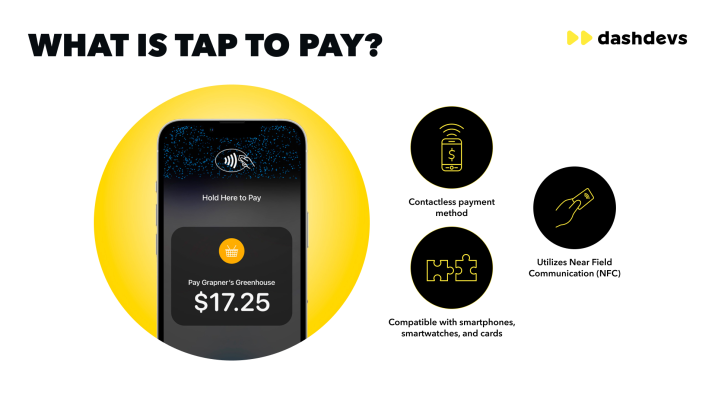
As the world shifts towards digital payment solutions, tap technology ATMs are leading the way in transforming how we access cash. These advanced contactless ATM machines utilize cutting-edge Near Field Communication (NFC) technology, allowing users to complete transactions with a simple tap of their debit or credit card, or even mobile device. This innovation not only enhances convenience but also aligns seamlessly with the future of cash, catering to an era where speed and efficiency are paramount. With growing consumer demand for contactless options, financial institutions are rapidly adopting these ATM innovations to ensure a safer banking experience. Explore how tap technology is reshaping our financial landscape and redefining the way we interact with our cash.
In the evolving landscape of banking, automated teller machines equipped with tap technology represent a remarkable advancement in consumer accessibility. Often referred to as contactless ATMs, these machines leverage NFC capabilities to facilitate quick cash withdrawals and balance inquiries without the need for card insertion. As digital wallets and mobile payment solutions become increasingly prevalent, the role of these innovative machines is crucial in ensuring seamless and secure transactions for users. This shift towards a cashless society not only underscores the importance of convenience in financial interactions but also highlights the growing trend of integrating modern technology within traditional banking systems. Understanding this transformation is essential for grasping the future dynamics of cash management and consumer behavior in the financial sector.
Applying for a merchant account is a crucial step for businesses looking to accept credit card payments and electronic transactions. The first step is to research potential merchant service providers to find one that best fits your business needs. Factors to consider include transaction fees, monthly costs, contract terms, and customer support. Once you’ve identified a suitable provider, you’ll typically need to complete an application form, which may be available online or through a sales representative. This application will require you to provide details about your business, such as its legal structure, tax identification number, and estimated monthly credit card sales.
After submitting your application, the provider will conduct a security and credit check to evaluate the financial stability of your business. Be prepared to provide additional documentation if requested, including bank statements, business licenses, and personal identification. Once your application is approved, you’ll sign a merchant services agreement that outlines the terms and conditions of your account. It’s essential to read and understand this agreement thoroughly before proceeding. For more detailed information on how to apply for a merchant account, including specific steps and documentation required, visit [MerchantSamantha.com](https://merchantsamantha.com) for valuable resources and guidance.
Revolutionizing Banking Experience with Tap Technology ATMs
The emergence of tap technology ATMs heralds a new era in banking, where convenience and safety converge seamlessly. With the integration of NFC (Near Field Communication) technology, users can now effortlessly withdraw cash by simply tapping their cards or smartphones against the ATM. This leap forward not only expedites the transaction process but also eliminates the need for physical contact, which has become increasingly important in today’s health-conscious world. Customers are seeking efficient banking solutions that prioritize their safety, making tap-enabled ATMs a timely innovation in the financial sector.
Furthermore, the shift toward tap technology aligns perfectly with the burgeoning trend of contactless payment methods. As consumers increasingly gravitate towards digital solutions, these ATMs provide a bridge between traditional banking and contemporary conveniences. This not only enhances user experience but also fosters trust among customers who prioritize hygiene and safety in their financial interactions. In a rapidly changing landscape, banks that adopt tap technology will likely enjoy a competitive edge by offering an innovative and user-friendly service that meets consumer demands.
The Future of Cash: Digital Payment Solutions and ATMs
As societies move toward a cashless economy, the future of cash is being redefined by advancements such as tap technology in ATMs. Digital payment solutions are quickly becoming mainstream, reflecting a sea change in how individuals interact with their finances. The ability to access cash through contactless means significantly enhances user convenience, further encouraging the adoption of digital transactions. Financial institutions that harness tap technology will not only streamline operations but also cater to the shifting preferences of a tech-savvy population.
Moreover, the integration of tap technology into ATMs is a natural progression in enhancing user accessibility to cash. By bridging the gap between digital payment solutions and traditional cash withdrawal methods, ATMs are evolving to meet modern consumer needs. For those who rely on quick access to cash without compromising safety, tap technology presents an optimal solution. With these advancements on the horizon, the financial sector is gearing up to address future demands while ensuring that cash remains a viable option for those who prefer it.
Addressing Security Challenges in Contactless Payments
While the adoption of tap technology ATMs presents numerous benefits, it also brings forth significant security challenges. As the landscape of financial transactions evolves, the threat of cybercrime and fraudulent activities becomes increasingly relevant. Financial institutions must prioritize security by investing in robust encryption and advanced authentication methods to safeguard consumers’ data during NFC transactions. This is critical in fostering customer trust and ensuring safe interactions at ATMs as they transition to contactless systems.
In response to these challenges, many banks are collaborating with cybersecurity firms to enhance their transaction protocols. The integration of advanced security features not only mitigates potential risks but also reassures users about the safety of their transactions. By understanding and addressing these concerns, the financial industry can pave the way for broader acceptance of tap technology in ATMs. As security measures become increasingly sophisticated, they will serve as a cornerstone in the successful implementation of digital payment solutions in banking facilities.
Innovative Collaborations Driving ATM Improvements
The progress of tap technology in ATMs is largely driven by strategic partnerships among financial institutions, technology providers, and ATM manufacturers. Industry giants like Mastercard and Visa are heavily investing in the infrastructure necessary to support the rollout of contactless ATMs, ensuring they can handle secure transactions seamlessly. This collaborative effort signifies an industry-wide acknowledgment of the importance of innovation in addressing consumer needs and preferences, particularly in our increasingly digital world.
With banks and technology firms working together to enhance ATM capabilities, consumers can anticipate a wave of innovations designed to elevate their banking experience. These advancements not only aim to improve transaction efficiency but also focus on aligning ATM functionalities with emerging digital payment solutions. As this wave of collaboration continues to reshape the landscape, consumers will likely benefit from enhanced services that meet the demands of a cashless future while retaining the accessibility of cash withdrawals.
| Key Aspect | Details |
|---|---|
| Introduction | Shift towards digital payments with tap technology in ATMs for convenience. |
| Benefits of Tap Technology | 1. Speed and Efficiency: Reduces transaction times. 2. Enhanced Safety: Minimizes contact with ATM surfaces. 3. Greater Accessibility: Beneficial for mobile wallet users. |
| Adoption Rates | Projected global market growth for contactless payments to exceed $6 trillion by 2024, with major banks rolling out tap-enabled ATMs. |
| Market Innovations | Partnerships between Mastercard, Visa, and ATM manufacturers to enhance security and functionality of tap-enabled ATMs. |
| Challenges | Security concerns regarding cyber threats as ATMs become more digitized. |
| Future Outlook | Accelerated deployment of tap-enabled ATMs as consumer preference shifts towards contactless solutions. |
Summary
Tap technology ATMs represent a significant advancement in the evolution of banking, melding convenience with safety in financial transactions. The integration of Near Field Communication (NFC) into ATMs allows users to engage with machines with a simple tap, catering to the growing demand for contactless solutions. As the world increasingly prioritizes efficiency and hygiene, tap-enabled ATMs are poised to redefine user experiences in accessing cash. However, it is crucial for financial institutions to address security challenges to ensure the safety of this innovative technology. The future indeed looks bright for tap technology ATMs, promising a seamless blend of traditional banking practices with modern technological advancements.
In a rapidly evolving digital landscape, tap technology ATMs are revolutionizing how we access cash and manage transactions. These modern contactless ATM machines utilize advanced Near Field Communication (NFC) technology, allowing users to withdraw funds with just a simple tap of their card or mobile device. As the demand for efficient digital payment solutions grows, the integration of tap technology stands out as a significant innovation in the financial services sector. By enhancing safety and convenience, these ATM innovations are setting the stage for the future of cash as we know it. In this context, understanding the benefits and implications of these technologies is crucial for consumers and banking institutions alike.
As we delve into the realm of contactless banking, it’s important to recognize the transformative shift brought about by digital cash access solutions. Tap-enabled ATMs, or those utilizing Near Field Communication systems, mark a significant advancement in the way customers interact with their finances. This shift towards digital payment solutions not only reflects changing consumer preferences but also meets the urgent need for contactless interactions in today’s health-conscious society. With a focus on both speed and security, these innovative kiosks promise to reshape our banking experiences while paving the way for a more accessible financial future. Understanding the nuances of these technologies is essential to navigating this new landscape of automated cash transactions.
Frequently Asked Questions
What are tap technology ATMs and how do they work?
Tap technology ATMs utilize Near Field Communication (NFC) to allow users to access their bank accounts by simply tapping their contactless debit or credit cards, or mobile devices on the ATM’s interface. This innovation eliminates the need to insert a card, speeding up transactions and enhancing user convenience.
How does tap technology improve the future of cash transactions at ATMs?
Tap technology ATMs signify the future of cash transactions by providing a contactless solution that meets the modern consumer’s demand for safety and efficiency. By reducing physical contact with ATM surfaces, this technology enhances hygiene and streamlines access to cash during peak periods.
What is the role of NFC technology in contactless ATM machines?
NFC technology plays a crucial role in contactless ATM machines by enabling secure, quick transactions. It allows devices equipped with NFC capabilities to communicate wirelessly with the ATM when a user taps their card or smartphone, facilitating a faster and safer banking experience.
What are some challenges facing tap technology in ATMs?
Despite its benefits, tap technology in ATMs faces challenges such as heightened security concerns due to increased cyber threats. Financial institutions must develop robust security measures to protect against potential fraud and ensure safe transactions for users in the evolving landscape of digital payment solutions.
Contactless ATM machines are revolutionizing the way individuals conduct banking transactions. With the integration of Near Field Communication (NFC) technology, these machines allow users to access their accounts and withdraw cash without the need for physical contact. By simply tapping their contactless card or mobile device against the ATM, customers can engage in safe and efficient transactions. This innovation not only enhances user convenience but also addresses health concerns, especially in times of pandemics where reducing contact is essential.
The future of cash is evolving rapidly, as digital payment solutions gain traction across various demographics. While cash has traditionally been a staple in financial transactions, the rise of mobile wallets, digital currencies, and contactless payment methods is reshaping consumer behavior. With the increasing adoption of smartphones and ongoing advancements in fintech, many predict that cash may eventually become obsolete. Instead, societies are leaning toward a cashless economy where digital payments are the norm, influenced by both convenience and enhanced security features.
As technology progresses, digital payment solutions continue to expand, offering consumers a seamless experience for financial transactions. From apps that support cryptocurrencies to bank-linked mobile wallets, the options available are diverse and continually evolving. These solutions provide benefits such as instant transfers, the ability to track spending, and enhanced security measures like biometric authentication. As more businesses and consumers embrace these technologies, traditional banking methods are challenged to innovate in order to stay relevant in a fast-paced digital landscape.
NFC technology plays a crucial role in modern financial transactions, particularly in the context of contactless payments. This short-range wireless communication technology allows devices to exchange information, facilitating instantaneous payments by simply bringing two devices close to each other. In the realm of ATMs, NFC capabilities empower users to withdraw funds, check balances, and even deposit money without the need for physical interaction. As this technology matures, it is expected to become even more integral to the future of banking, emphasizing efficiency and user-friendliness.
ATM innovations are paving the way for a more user-centric banking experience. Beyond contactless transactions, these machines are incorporating features such as biometric authentication, which uses fingerprints or facial recognition for added security. Additionally, some ATMs now offer services like cryptocurrency exchange and instant money transfers. As banks compete to attract tech-savvy customers, continuous innovation in ATM design and functionality is essential to cater to changing consumer needs and to ensure that these machines remain a viable option in a rapidly digitizing world.
The rise of technology in the banking sector is paving the way for impressive innovations, with tap technology ATMs leading the charge. These ATMs utilize Near Field Communication (NFC) to allow users to simply tap their credit or debit cards, or even their smartphones, to initiate financial transactions without the need for physical contact. This shift not only caters to the evolving preferences of consumers who are increasingly gravitating towards contactless payments, but it also significantly enhances the safety and hygiene of cash transactions, a crucial advantage in a world still recovering from the pandemic.
As the demand for tap technology ATMs grows, many financial institutions are striving to keep pace with technological advancements. A considerable number of banks are investing in the upgrade of their existing ATM networks to incorporate contactless capabilities. This investment reflects a deeper commitment to providing consumers with the convenience of quick, secure transactions while also aligning with global trends toward digital payments. With the influx of mobile payment solutions and the surge in NFC acceptance at retailers, the financial landscape appears to be favoring a substantially adaptable banking model.
Despite the various advantages of tap technology in ATMs, transitioning to this modern approach is not without its challenges. One of the most pressing concerns is the potential for increased cybersecurity threats, as the move away from traditional card methods could open new avenues for fraud. Financial institutions must address these risks by implementing robust security measures that protect customer information and funds. Additionally, as consumers become more aware of the importance of safeguarding their financial data, maintaining trust will be essential for the successful adoption of tap technology.
Looking ahead, the future appears bright for tap-enabled ATMs, which are anticipated to become a standard feature across the global banking landscape. The convenience of contactless transactions is set to reshape how individuals engage with their finances, making it easier than ever to access cash and other services swiftly. As the industry continues to evolve, ongoing collaboration between financial entities and technology developers will be crucial in optimizing the security and functionality of these advanced machines, ensuring that they meet the dynamic needs of consumers.
Ultimately, the introduction of tap technology in ATMs represents a significant advancement in banking services. By marrying the traditional practices of cash handling with innovative technologies, the future of cash transactions is not only about retaining relevance but also about enhancing the user experience. As we navigate this transition, financial institutions must remain vigilant in prioritizing consumer safety while fostering a culture of innovation that embraces the momentum of the ever-digital economy.
