
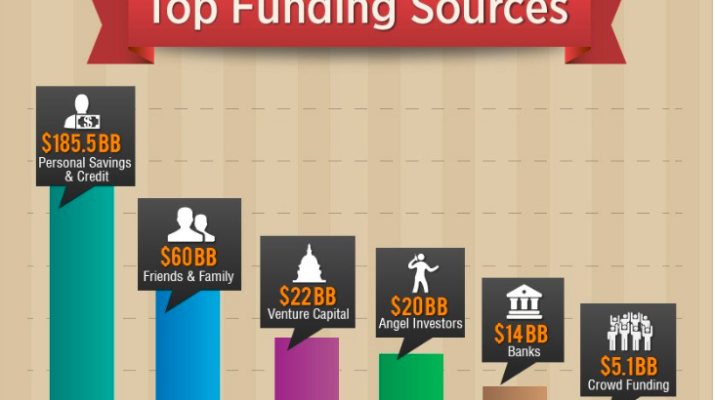
Are you searching for new business funding? This critical step can often feel daunting for entrepreneurs aiming to bring their ideas to life. Whether it’s exploring diverse business funding options, understanding how to secure startup funding, or delving into crowdfunding for businesses, securing the capital you need is essential for your venture’s success. From traditional business loans to venture capital funding, there are a variety of pathways to consider. By grasping the intricacies of these funding avenues, you can strategically position your startup for growth and attract the financial support necessary to thrive.
When it comes to financing a new enterprise, many entrepreneurs often look for ways to obtain financial backing. This support is pivotal for launching innovative projects or scaling a burgeoning business. Options may include conventional bank financing, engaging with venture capitalists, or even exploring alternative methods like crowdfunding. Understanding the different types of funding sources available can empower you to craft tailored strategies that resonate with potential investors. In this comprehensive guide, we aim to illuminate the various funding avenues available for startups and provide actionable insights into building a compelling funding request.
Applying for a merchant account is a crucial step for businesses looking to accept credit and debit card payments. To begin, you’ll need to research various payment processors that suit your business model and industry. One particular place to start your search is by visiting reputable provider websites, where you can compare fees, services, and contract terms. When you feel confident about your choice, gather the necessary documentation, which typically includes your business license, Social Security number, and bank information. Be prepared to answer questions regarding your business’s sales volume, average transaction amount, and returns policy, as these details will help the processor assess your application.
Once you have chosen a provider and assembled your documentation, the next step is to complete the online application form provided by your selected merchant service provider. This usually involves filling out information about your business structure, ownership, and the types of transactions you intend to process. After submitting the application, the provider will conduct a risk assessment that may take a few days. If approved, you will be provided with a merchant account setup package that includes instructions for integrating the payment gateway into your business’s website or point-of-sale system. For a detailed guide on applying for a merchant account, visit MerchantAccountGuides.com, which offers resources to help you navigate through the process swiftly and effectively.
Understanding New Business Funding Options
When starting a new venture, it’s imperative to have a clear grasp of the various funding options available to you. New business funding encompasses several avenues, each with distinct advantages and requirements. Traditional business loans from banks or credit unions, for instance, offer substantial capital but often demand a comprehensive business plan and a robust credit history. Understanding the eligibility criteria can help you ascertain whether this route aligns with your funding needs.
On the other hand, newer funding methods such as crowdfunding afford the opportunity to present your business idea to a wider audience on platforms like Kickstarter. This method not only helps in raising funds but also aids in validating your business concept through community support. By diversifying your funding approach and considering a combination of traditional and innovative options, you can enhance your chances of securing the necessary resources to propel your business forward.
How to Secure Startup Funding Efficiently
Securing startup funding is a critical step for any entrepreneur, and it requires a well-structured plan. Start by assessing your financial needs in detail. Detailing how much money you need to raise and by when can significantly enhance your appeal to potential investors and lenders. For example, understanding whether the funds are needed for initial expenses or potential growth can influence the type of funding you should pursue. Building a budget that breaks down your expected costs will not only clarify your requirements but also make a compelling case when applying for business loans or pitching to venture capitalists.
Additionally, it’s essential to cultivate a strong business plan that aligns with the expectations of your audience. Investors are keen on understanding not only the financial projections but also the strategies that will lead to profitability. Demonstrating awareness of your market and competition will build confidence among your funding prospects, making it evident that your startup is a worthy investment. Engaging with mentors or utilizing online resources such as the SBA can also provide invaluable insights to streamline your approach in securing the right startup funding.
The Role of Crowdfunding in Business Funding
Crowdfunding has emerged as a pivotal funding source for many new businesses looking to tap into the power of community support. Platforms such as Indiegogo and GoFundMe allow entrepreneurs to showcase their ideas, connecting with potential backers who believe in their vision. To launch a successful crowdfunding campaign, clarity and creativity are essential. Crafting an engaging narrative that resonates with audiences can make a significant difference in attracting funding.
Moreover, beyond just raising funds, crowdfunding offers the added benefit of market validation. When individuals decide to financially support your concept, it confirms a level of interest and demand, which is an enticing factor for future investors or lenders. Thus, leveraging crowdfunding not only alleviates financial burdens but also builds a foundational customer base for your business.
Navigating Business Loans for Your Startup
Business loans represent a traditional yet effective avenue for acquiring necessary startup capital. Several banks and lending institutions offer tailored financing solutions designed to support small businesses. However, securing these loans often comes with rigorous stipulations, such as a robust credit history and a comprehensive business plan. Therefore, it’s crucial to prepare and present your business case convincingly to improve your chances of approval.
Another vital aspect of obtaining a business loan is understanding the different types available, from secured loans requiring collateral to unsecured options that may have higher interest rates. As an entrepreneur, your choice should align with your financial situation and long-term goals. Researching and comparing loan options can help identify the most favorable terms, ensuring that the funding you acquire supports rather than hampers your business growth.
Venture Capital Funding: A Direct Path to Growth
Venture capital funding can provide a critical lifeline for startups aiming for rapid growth. Unlike traditional business loans, venture capitalists (VCs) invest in exchange for equity, which can be advantageous when looking for significant capital injection without the burden of repayment. However, VCs typically seek high-growth potential businesses, so your startup needs to showcase its scalability and market viability to capture their interest.
Building a robust pitch is essential when approaching venture capitalists. Highlighting a clear business plan that outlines your growth strategy, projected milestones, and a thorough understanding of your competitive landscape can not only capture attention but also instill confidence. Further, leveraging connections within the industry can enhance your chances, as referrals often carry weight in the VC community.
Grants and Competitions: Hidden Business Funding Sources
Navigating the landscape of business funding may often lead entrepreneurs to overlook grant opportunities and competitions, which can be invaluable resources. Unlike loans, grants don’t require repayment, making them a highly attractive option for new businesses. Various levels of government and non-profit organizations offer grants aimed specifically at supporting small business initiatives, particularly those that drive innovation or community development.
Participating in business competitions can also present substantial funding opportunities, along with valuable exposure. Many competitions not only offer cash prizes but also mentorship and resources that can further your business objectives. Researching grants and competitions relevant to your industry can unveil new channels for funding that are often less competitive than traditional methods, allowing you to secure the necessary financial support for your startup.
Building a Strong Network for Business Funding
Networking is an often-underestimated element in the journey to secure business funding. Establishing relationships within the business community can yield connections to seasoned entrepreneurs, investors, and mentors who can provide guidance and support. Regularly attending industry conferences, networking events, and local meetups can significantly widen your network, leading to potential funding opportunities.
Moreover, engaging with fellow entrepreneurs can facilitate knowledge sharing, allowing you to learn from their funding experiences. By fostering these relationships, you can create a web of resources and referrals that enhance your chances of acquiring funding. Remember, the more people know about your business and its needs, the higher the likelihood they may connect you with someone who has the funding you seek.
Leveraging Online Resources for Business Funding
In today’s digital landscape, numerous online resources can facilitate your journey towards securing business funding. Websites such as Score.org and the Small Business Administration (SBA) offer invaluable tools, templates, and insights to assist entrepreneurs in crafting business plans and understanding their funding options. Utilizing these platforms can streamline your application processes and enhance your overall preparedness.
Additionally, engaging with online communities and forums dedicated to entrepreneurship can provide advice and first-hand accounts from individuals who have successfully navigated the funding landscape. By leveraging these collective resources, you can not only disseminate expert information but also refine your strategies and approaches to funding.
Staying Informed About Industry Trends for Funding Success
Understanding current industry trends is critical in attracting funding, as investors typically favor businesses that demonstrate awareness and adaptability. Researching trends such as sustainability, technology advancements, and consumer behavior can help position your business as forward-thinking and relevant. Keeping abreast of these shifts can also provide insights into what potential investors are targeting, tailoring your proposals accordingly.
Moreover, aligning your business strategies with trending themes, such as integrating sustainable practices into your operations, can significantly increase your attractiveness to investors looking for socially responsible opportunities. By showcasing commitment to lifetime value rather than just short-term gains, you can appeal to a growing demographic of investors willing to fund innovative, forward-thinking businesses.
| Key Steps in Securing New Business Funding | |
|---|---|
| Identifying Your Funding Needs | Outline your business goals and assess funding needs. |
| Exploring Diverse Funding Sources | Consider options like traditional loans, venture capital, crowdfunding, and grants. |
| Developing a Solid Business Plan | Create a comprehensive business plan to attract investors. |
| Enhancing Your Network | Network within the business community to find funding opportunities. |
| Utilizing Online Resources | Leverage platforms like Score.org and SBA for templates and guidance. |
| Understanding Industry Trends | Stay informed about industry trends to attract funding. |
Summary
New Business Funding is crucial for aspiring entrepreneurs seeking to turn their ideas into reality. This comprehensive guide offers a clear pathway to securing the necessary finances, encompassing the identification of funding needs, exploration of various funding sources, and the importance of a well-structured business plan. To effectively navigate this journey, entrepreneurs should evaluate their specific project needs, timelines, and budgets while exploring options such as traditional loans, venture capital, crowdfunding, and grants. Additionally, building a robust network and utilizing online resources can significantly enhance opportunities for funding. A keen awareness of industry trends can further position startups favorably in the eyes of investors. Ultimately, persistent effort and thorough preparation are key in transforming funding aspirations into tangible financial support, ensuring the successful launch or growth of new businesses.
New Business Funding is a crucial element for anyone looking to embark on the journey of entrepreneurship. As you set out to launch or grow your business, understanding the various business funding options available to you can make all the difference. From securing startup funding through traditional business loans to exploring innovative methods like crowdfunding for businesses, the multitude of resources can be overwhelming yet inspiring. This guide aims to simplify the complexities by providing insights on how to secure startup funding, ensuring you are well-equipped to make informed financial decisions. With the right approach and a solid plan in place, your vision can become a thriving reality.
When embarking on your entrepreneurial journey, it’s vital to understand the various avenues for securing capital. This financial support can come from numerous sources, all tailored to meet the unique needs of new ventures. Whether you are considering venture capital funding or exploring community-driven alternatives like crowdfunding, a wealth of resources is available to help businesses flourish. By leveraging these funding solutions, aspiring entrepreneurs can convert their innovative ideas into successful operations. Understanding how to navigate this landscape is essential for anyone looking to establish a foothold in today’s competitive market.
Frequently Asked Questions
What are the best business funding options for startups?
When considering new business funding options, startups can explore various avenues such as traditional loans, venture capital funding, crowdfunding for businesses, and grants. Each option has unique benefits and requirements. Traditional loans provide substantial capital but require a solid business plan and good credit. Venture capital funding offers significant investment in exchange for equity, targeting those with promising growth potential. Crowdfunding allows businesses to raise funds from the public through platforms like Kickstarter, while grants can help without repayment obligations. Evaluating these options based on specific business goals is crucial.
Business funding options are critical for entrepreneurs looking to launch or grow their ventures. These options can vary widely, including personal savings, loans, grants, angel investors, and crowdfunding platforms. Each method presents its advantages and disadvantages, depending on the type of business and its specific needs. It’s essential for business owners to understand these different avenues to make an informed decision that aligns with their goals.
Securing startup funding is often one of the biggest challenges for new entrepreneurs. To increase their chances of success, founders should develop a compelling business plan that outlines their vision, market analysis, and financial projections. Networking with potential investors, applying for grants, and leveraging accelerator programs can also provide valuable insights and funding opportunities. Ultimately, demonstrating a solid understanding of the business model and a clear path to profitability is key to attracting investors.
Crowdfunding for businesses has gained immense popularity in recent years, allowing entrepreneurs to raise smaller amounts of money from a large number of people, typically through online platforms. This model not only provides funding but also serves as a marketing tool, enabling entrepreneurs to gauge interest in their ideas while building a community of supporters. Whether it’s rewards-based, equity crowdfunding, or donation-based, entrepreneurs must craft a persuasive campaign to effectively connect with potential backers.
Business loans remain a traditional and reliable means of securing funding for both startups and established businesses. Typically offered by banks and credit unions, these loans can vary from short-term financing to longer loans tailored for major investments. The application process often requires a strong credit history, detailed financial statements, and a solid repayment plan. Depending on the entrepreneur’s creditworthiness, interest rates and loan terms can vary significantly.
Venture capital funding is a popular choice for high-growth startups seeking significant financial backing in exchange for equity. Venture capitalists often come with more than just money—they bring valuable expertise, industry connections, and mentorship, which can be critical for a startup’s success. However, this form of funding typically targets businesses with the potential for rapid growth and scalable models, and the process can be highly competitive and rigorous.
Starting any business venture requires a solid financial foundation, and understanding your specific funding needs is paramount. Begin by taking stock of your project’s scope. Are you targeting equipment purchases, hiring staff, or marketing expenses? Each of these needs will influence how much money you need to raise. Establishing not just the total amount but also the breakdown of spending will help you present a clear and compelling narrative to potential financiers. Additionally, consider setting a timeline for your funding requirements. Knowing when you need the capital can guide the type of financing you seek—whether it’s immediate funding through loans or longer-term investments through venture capital.
Diverse funding sources can significantly enhance your business’s chances of securing necessary capital. Traditional bank loans are a common yet rigorous pathway where you must demonstrate a solid credit history and thorough financial projections. On the other hand, tapping into venture capitalists and angel investors might require giving up a portion of equity but can provide substantial funding if your business shows high growth potential. Crowdfunding platforms offer a unique avenue for entrepreneurs to raise money by pre-selling products or generating buzz, though success hinges on effective marketing and a persuasive pitch. Additionally, seeking out grants and entering competitions can yield funds that do not need to be repaid, thus offering a valuable funding route with less financial risk.
Crafting a detailed business plan is crucial when seeking funding. An effective business plan not only serves as a roadmap for your operation but also acts as a persuasive document to convince investors of your viability. Start with an executive summary that clearly presents your business idea, followed by in-depth market analysis that highlights competitive advantages and audience insights. Financial projections should include forecasts and budgets that reflect both optimism and caution. Including strategic objectives will reassure investors that you have a clear vision for growth and sustainability, important elements that many funding sources look for in a potential investment.
Networking can significantly ease the funding process as it connects you with seasoned entrepreneurs, mentors, and potential investors. By attending industry events and engaging with local business communities, you may find someone willing to invest in your idea or provide valuable advice based on their own experiences. Building these relationships can also lead to recommendations that open up opportunities for funding that you might not find on your own. Therefore, it is essential to continuously cultivate and expand your professional network as part of your overall funding strategy.
In an increasingly digital world, leveraging online resources can streamline your search for funding. Platforms like Score.org offer valuable mentoring services and templates for business plans. The SBA provides comprehensive guidance on various funding options available, including loans, grants, and investor information. Utilizing these services can not only refine your funding strategy but also keep you informed about expectations from potential investors and lenders. Staying updated through these platforms will help you understand the landscape better and increase your chances of securing the financing you need.
Finally, keeping an eye on industry trends is essential for any new business looking for funding. Understanding what investors prioritize can inform your approach and enhance your pitch. For example, many investors today prioritize businesses with a strong commitment to sustainability and a solid ESG (Environmental, Social, Governance) strategy. By incorporating these trends into your business model, not only do you align with the values of potential financiers, but you can also demonstrate an awareness of the evolving market landscape, making your business more attractive to investors.
