
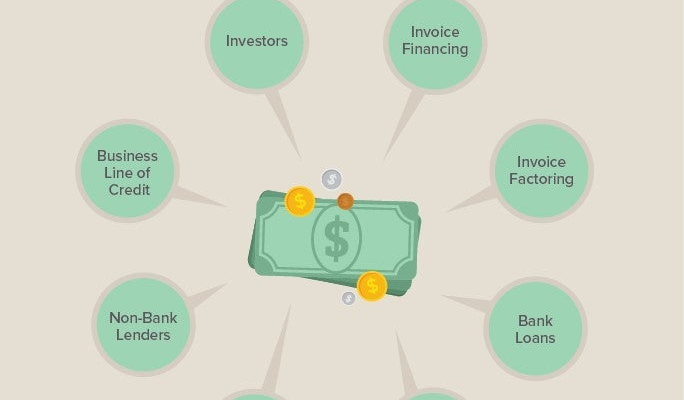
Navigating the complex world of new business funding options can be daunting for aspiring entrepreneurs. In today’s dynamic economy, entrepreneurs have access to a variety of financing resources that extend beyond traditional bank loans, giving them the potential to foster innovation and growth. From venture capital investments that bring in both funds and mentorship to crowdfunding platforms that allow individuals to support ideas they believe in, the funding landscape is rich with possibilities. Government grants represent another robust avenue for local startups, often aimed at promoting specific initiatives or supporting underserved communities. With alternative lending solutions and equity financing gaining traction, understanding these options is vital to successfully launching and scaling your business.
Exploring financial solutions for emerging businesses introduces a plethora of funding paths for entrepreneurs eager to scale their ideas. Today, startup financing encompasses innovative methods such as private investments, public funding campaigns, and grants bestowed by governmental bodies to fuel growth. New entrepreneurs can tap into diverse resources, including peer-to-peer lending platforms and microfinance initiatives that cater to small requests without the usual banking strains. Additionally, equity crowdfunding has changed the game, enabling startups to connect with a wider audience of potential backers who can also become vocal advocates for their brand. With options like these on the rise, understanding the nuances of each avenue can empower entrepreneurs to secure the capital they need to flourish.
Applying for a merchant account is a crucial step for any business looking to accept credit and debit card payments. The first step in the application process is to choose a reliable payment processor that aligns with your business needs. Look for providers that offer competitive transaction rates, excellent customer support, and versatile payment options. Once you’ve selected a provider, you’ll need to fill out an application form which typically requires information about your business, including its structure, the type of products or services you sell, and your expected transaction volume. Be prepared to provide additional documentation such as your business license, tax ID, and bank account details to facilitate a smooth application process.
After submitting your application, the payment processor will review your information and may conduct a background check to assess the risk associated with your business. If approved, you’ll receive your merchant account along with payment processing equipment or software. It’s essential to thoroughly read and understand the terms and conditions, including fees, chargeback policies, and any contractual obligations. To get started with your application today, visit [insert your payment processor’s website link here], where you can find more information and initiate the application process.
Understanding New Business Funding Options
New business funding options are more diverse and accessible than ever, making it an exciting time for entrepreneurs to explore various avenues. The landscape includes traditional methods such as bank loans, as well as innovative solutions like crowdfunding and venture capital. By understanding the nuances of each option, startups can better position themselves to attract the necessary capital to grow and thrive. Many entrepreneurs are increasingly looking for alternative funding methods that do not require them to give away substantial equity or take on significant debt.
In the current economy, new business owners are particularly drawn to government grants and subsidized programs aimed at fostering entrepreneurship. These funds can provide crucial financial support without the stringent repayment terms that loans typically require. Additionally, equity financing through platforms that allow the public to invest in businesses has gained traction, making it essential for entrepreneurs to consider how they can leverage these opportunities to enhance their financial foundation.
The Role of Venture Capital in Startups
Venture capital (VC) plays a pivotal role in the financing of startups, especially in industries that are ripe for innovation, such as technology and healthcare. In 2023, the surge in VC investment is largely driven by the rapid development of technology and the increasing demand for cutting-edge solutions. For entrepreneurs, securing VC funding can catapult their business to new heights, providing not only financial backing but also access to a network of experienced professionals who can offer valuable mentorship and strategic guidance.
However, entrepreneurs must prepare for the implications of attracting venture capital, including giving up a portion of equity. This trade-off can be beneficial if the VC firm possesses resources and connections that can enhance the business’s growth trajectory. Understanding the dynamics of VC funding, including the expectations for rapid growth and scalability, is crucial for entrepreneurs who seek to align their startups with the right investment partners.
Exploring Crowdfunding as a Viable Funding Avenue
Crowdfunding has emerged as a democratic and innovative way for entrepreneurs to finance their ventures, allowing them to present their ideas directly to potential backers online. Platforms such as Kickstarter and Indiegogo enable businesses to solicit small contributions from a large pool of individuals, making it possible to secure funding without relying on traditional sources. This method not only generates necessary capital but also serves as a market validation tool, as entrepreneurs can gauge public interest and commitment before formally launching their products.
Moreover, the rise of equity crowdfunding has opened new doors for businesses seeking to engage their customer base in a significant way. By offering investors a share in the company, startups can create a community of loyal advocates who are invested in the success of the business. This added layer of customer connection can enhance brand loyalty and improve marketing efforts, ultimately leading to greater long-term success.
Government Grants: A Valuable Resource for Entrepreneurs
Government grants present a unique opportunity for new businesses to secure funding without the burden of repayment typically associated with loans. Programs such as those offered by the Small Business Administration (SBA) are designed to stimulate small business growth, particularly in underserved communities. Entrepreneurs can tap into resources that provide not only capital but also expertise on how to navigate the complexities of launching a new venture.
The importance of government grants cannot be overstated—especially in recent times, as many initiatives have been launched to support startups affected by economic downturns. With funding specifically aimed at minority and women entrepreneurs, these programs play a crucial role in fostering diversity and inclusion within the entrepreneurial landscape. By pursuing available grants, business owners can reduce financial constraints and focus on innovation and growth.
Alternative Lending: Navigating New Financing Solutions
The landscape of business financing has been significantly reshaped by alternative lending solutions that offer greater flexibility and accessibility for entrepreneurs. Unlike traditional banks, alternative lenders often provide faster approvals and streamlined application processes, which can be critical for startups in need of immediate funds. Companies like Square and PayPal have emerged as leaders in the alternative lending space, offering cash advances and tailored loans based on businesses’ unique cash flow scenarios.
These alternative options can be a lifesaver for entrepreneurs who may not qualify for traditional bank loans due to their lack of credit history or insufficient collateral. By understanding and effectively leveraging these lending solutions, startups can gain the necessary capital to invest in growth and operational needs without the bureaucratic delays often encountered in more conventional funding methods.
| Funding Source | Description | Key Benefits | Considerations |
|---|---|---|---|
| Venture Capital (VC) Investments | Investment from firms in exchange for equity stake, often in tech and healthcare. | Access to substantial financial backing and mentorship. | Loss of equity and control over business decisions. |
Summary
New business funding options have transformed the financial landscape for entrepreneurs in 2023, presenting various avenues for securing capital. Entrepreneurs can explore a rich palette of funding sources, including venture capital, crowdfunding, government grants, microloans, and fintech solutions. Each of these options caters to different needs and business models, allowing startups to find the perfect fit according to their strategic goals. By understanding the advantages and considerations associated with each funding source, aspiring business owners are better equipped to make informed choices. As the market continues to evolve, expertise in these modern funding options will be crucial in driving innovation and success in their ventures.
New business funding options are essential tools for aspiring entrepreneurs looking to bring their visions to life in an increasingly competitive marketplace. As the dynamics of finance evolve, several cutting-edge strategies have emerged, including venture capital, crowdfunding, and government grants, which can provide the necessary backing for startups. Understanding these funding sources not only aids in securing capital but also aligns financial resources with your specific business goals. Alongside traditional loans, alternative lending solutions and equity financing are gaining traction, offering flexibility and innovative approaches to financing. This guide delves into these new business funding options, equipping you with the insights needed to make informed financial decisions for your venture.
In today’s entrepreneurial landscape, a variety of financial channels exist to support new ventures and enhance the growth potential of startups. Terms such as venture funding, collective financing, and public grants are representative of the diverse ways in which businesses can access capital. Moreover, the rise of non-traditional financing methods, like peer-to-peer lending and equity investment, highlights the shift toward more accessible and tailored funding solutions. As you explore these alternative avenues, it’s important to consider how each option can effectively meet your startup’s unique demands. By understanding the broader spectrum of financial resources available, you can strategically position your business for success.
Frequently Asked Questions
What are the most popular new business funding options available today?
Today, entrepreneurs can choose from a variety of new business funding options including venture capital, crowdfunding, government grants, alternative lending like microloans, and equity financing. Each of these funding sources has unique benefits and is tailored to different business needs, making it essential to assess which aligns best with your goals.
Venture capital is a vital source of funding for startups and early-stage companies that demonstrate high growth potential. Investors, typically venture capitalists, provide capital in exchange for equity in the company. This form of financing not only provides the necessary funds to help startups scale their operations and develop their products but also comes with mentorship and business advice from seasoned investors. However, this funding route can be quite competitive, with investors often seeking innovative ideas that can deliver significant returns in a relatively short timeframe.
Crowdfunding has emerged as a popular alternative for entrepreneurs seeking capital. Platforms like Kickstarter and Indiegogo allow startups to present their ideas to the public, where individuals can contribute funds in exchange for rewards or early access to products. This method democratizes the funding process, enabling creators to gauge market interest before fully committing to their ideas. The benefit of crowdfunding extends beyond just raising money; it also helps build a community around a product and can validate a business model. However, successful crowdfunding campaigns require effective marketing and a strong pitch.
Government grants serve as a non-dilutive funding option, providing entrepreneurs with capital without the obligation to repay or give up equity. These grants are typically aimed at fostering innovation, research, and development, particularly in sectors identified as strategic for economic growth. While grants can significantly benefit startups, the application process is often rigorous and competitive, requiring detailed proposals and compliance with specific guidelines. Successful applicants can access valuable resources that can enhance their business, but it may take time to navigate the bureaucratic layers involved.
Alternative lending has gained traction as traditional banks become more stringent in their lending practices. This form of financing includes options like peer-to-peer lending, invoice financing, and merchant cash advances. Alternative lenders often provide quicker access to funds with fewer requirements than conventional banks, making it easier for small businesses and startups to secure loans. However, these loans can come with higher interest rates and fees, so businesses must carefully assess their ability to repay before pursuing this form of financing.
Equity financing involves raising capital by selling shares of the company to investors in exchange for ownership stakes. This method is commonly used by startups and growing businesses that may not have sufficient cash flow to secure bank loans. Equity financing can provide significant funding for expansion, research, and product development, but it also means giving up a portion of control over the company. Investors not only seek a financial return on their investment but often expect a say in strategic decisions, which can reshape a company’s direction. This balancing act between raising necessary funds and maintaining control is a crucial consideration for entrepreneurs.
Entrepreneurs today are faced with a myriad of funding options that go beyond the traditional bank loans of the past. As the entrepreneurial ecosystem evolves, so too do the strategies for funding a new business. This includes a range of possibilities from venture capital investments to innovative crowdfunding platforms. Understanding these options is not merely advantageous; it is essential for navigating the challenges of starting and sustaining a business in today’s market. Entrepreneurs must actively explore various funding avenues to find the right fit for their unique business models and growth aspirations.
Venture capital is often seen as the gold standard for startup funding, especially for businesses positioned in high-growth sectors like technology and biotechnology. Venture capitalists not only provide funds but also bring invaluable experience and connections to the table. However, this avenue is not suitable for every entrepreneur, as it typically requires giving away a significant equity stake and adhering to the rigorous expectations of investors. Therefore, entrepreneurs should carefully assess their long-term goals and determine whether maintaining control over their business is a priority, or if they are willing to leverage equity for rapid growth.
On the other hand, crowdfunding has emerged as a revolutionary method for startups to secure funding while engaging directly with their target market. By sharing their vision on platforms like Kickstarter and Indiegogo, entrepreneurs can attract backers who share their passion or believe in their product. This not only raises the necessary capital but also serves as an important market test, validating ideas before launching. Successful campaigns can showcase a product’s demand and generate a loyal customer base, thus providing dual benefits of funding and customer engagement.
Government grants and subsidies remain a cornerstone of support for new businesses, particularly those established in underrepresented communities. With various programs available, such as the SBA grants in the U.S., these funds can provide a non-dilutive source of capital, allowing entrepreneurs to maintain ownership while receiving necessary support. This type of funding typically has fewer strings attached but requires a thorough understanding of the application processes and their competitive nature. Entrepreneurs should research local and federal programs that align with their business goals as part of their strategic funding plan.
Furthermore, the rise of fintech companies has redefined what it means to access funds quickly and efficiently. Unlike traditional lenders, these tech-driven solutions provide rapid decision-making processes and flexible financing options that cater specifically to the needs of small businesses. Entrepreneurs can leverage cash advances and loans tailored to their cash flow realities, often with less documentation than required by banks. As such, understanding the fintech landscape can provide significant advantages for startups aiming for swift capital infusion.
