
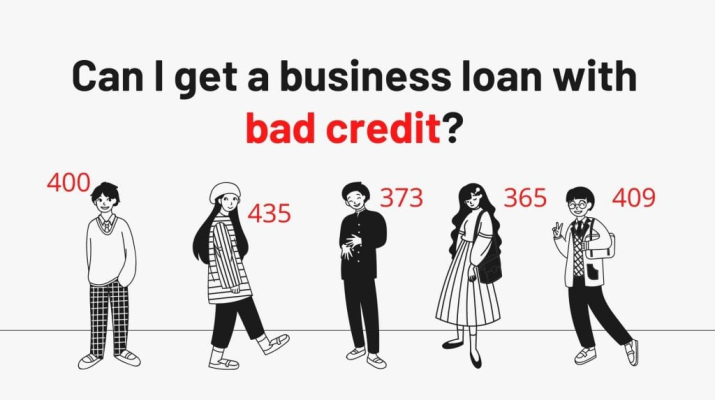
In today’s competitive business environment, securing funding for a new venture becomes increasingly challenging, especially with bad credit complicating the process. Fortunately, entrepreneurs can explore various innovative options for business funding even with a poor credit history. From alternative lenders who look beyond credit scores to microloans tailored for small startups, there are pathways to achieve your entrepreneurial dreams. Additionally, crowdfunding offers an exciting opportunity to attract public investment without letting your credit status hold you back. This guide will delve into a range of practical solutions designed to help you successfully navigate the funding landscape and finance your business endeavor.
When it comes to acquiring financial backing for your enterprise, those with less-than-perfect credit might find traditional avenues restrictive. Luckily, there are numerous ways to procure capital, focusing on the viability of your business idea rather than solely on credit ratings. Options like unsecured loans from alternative financial institutions and community-driven funding through platforms like crowdfunding can provide the necessary resources to start or expand your business. Moreover, crafting a detailed business proposal can enhance your chances of approval by demonstrating your vision and strategic planning. With these diverse funding avenues, aspiring business owners can confidently pursue their goals, regardless of their credit situation.
Applying for a merchant account is a crucial step for businesses looking to accept credit card payments and other forms of electronic transactions. The first step in this process is to research and choose a payment processor that aligns with your business’s needs. Look for providers that offer competitive transaction fees, customer support, and additional features such as fraud protection and analytics tools. Once you’ve selected a provider, visit their website and look for the merchant account application section, usually located under services or solutions. Prepare your business documentation, including your legal business name, tax ID number, and financial history to streamline the application process.
After submitting your application, you will typically go through a verification process where the payment processor will evaluate your creditworthiness and business details. This may involve providing additional documentation, such as financial statements. Once approved, the payment processor will guide you through setting up the necessary hardware or software to start accepting payments. Be sure to review the terms and conditions carefully to understand the fees and requirements associated with your new merchant account. For further assistance or specific inquiries about the application process, you are encouraged to contact the customer support team of the chosen payment processor directly.
Business Funding Options for Bad Credit: A Comprehensive Guide
For business owners facing the challenge of bad credit, understanding the landscape of funding options is crucial. While traditional loans may seem out of reach due to poor credit scores, there are numerous alternatives that can prove lucrative. Alternative lenders are often more lenient, focusing not just on credit history but also evaluating cash flow and overall business potential. By presenting a strong business plan that outlines your business strategies and how you intend to generate revenue, you can appeal to these lenders who are eager to invest in innovative ideas and committed entrepreneurs.
Additionally, microloans have become a popular route for those needing smaller amounts of financing. Institutions such as Kiva and the SBA focus on the business concept rather than solely the credit rating. These loans are designed to empower new startups and can often have more favorable terms when it comes to interest rates and repayment timelines. For individuals with visions of launching businesses but hindered by credit issues, utilizing these funding mechanisms can pave the way to entrepreneurial success.
Leveraging Alternative Lenders for Your Startup
If you are an entrepreneur with bad credit, looking towards alternative lenders can significantly increase your chances of securing necessary funding. Unlike banks, which often deny loans based on credit scores, alternative lenders assess the overall potential of your business. This is pivotal for entrepreneurs who have a robust business model and concrete cash flow projections. By showcasing your financial data transparently and demonstrating your ability to generate income, you can appeal to lenders who specialize in financing startups with troubled credit histories.
Furthermore, many alternative lending platforms offer flexible terms, which can provide some breathing room for new business owners. This flexibility may also include lower documentation requirements and quicker approval processes, allowing businesses to access funds more rapidly and seize growth opportunities. Therefore, collaborating with these lenders not only offers a chance to overcome credit challenges but can also facilitate a supportive relationship that promotes business sustainability in the long run.
Microloans: Small Funding with Big Potential for Entrepreneurs
Microloans are an innovative solution for entrepreneurs, especially those grappling with poor credit ratings. These small loans are designed to provide vital capital to startups that traditional lenders typically shy away from. The beauty of microloans lies in their accessibility; they focus more on the viability of the business idea rather than the applicant’s credit score. For those seeking funding, resources like Kiva, the SBA, or community-focused credit unions can be an excellent starting point to secure small amounts of financing without stringent credit evaluations.
Moreover, microloans often feature favorable interest rates and manageable repayment terms, making them an attractive option for new business owners. They not only alleviate the financial burden but also provide an opportunity for entrepreneurs to build their credit with timely repayments. Thus, microloans serve as an effective pathway toward financial recovery and entrepreneurial success, reinforcing the notion that starting a business is still possible despite past financial setbacks.
Crowdfunding as a Creative Financing Method
Crowdfunding is quickly becoming one of the most accessible funding methods for innovative entrepreneurs. Platforms like Kickstarter and Indiegogo allow startups to reach out to potential backers directly, cutting out traditional financial intermediaries. This model is especially beneficial for individuals with bad credit, as the emphasis is placed on the strength of the business idea rather than credit history. By engaging with your audience through compelling pitches and effective storytelling, you can create a community of supporters who are willing to invest in your vision.
The ability to showcase your products or services and build an audience around your business can lead to not just financial backing but also valuable feedback from potential customers. Crowdfunding can effectively reduce the reliance on loans and interest payments, enabling entrepreneurs to retain more ownership of their business. It also encourages creativity and innovation, as the success of the campaign often hinges on how effectively you communicate your business goals and engage with your backers.
Crafting a Robust Business Plan to Attract Funding
A well-constructed business plan is essential for any entrepreneur seeking funding, particularly those with bad credit. This document serves as a roadmap for your business and outlines your vision, goals, and strategies for achieving financial success. Key components should include a detailed executive summary, comprehensive market analysis, and well-defined financial projections. Lenders want to see that you have a clear understanding of your market and competition; this not only increases your chances of securing loans from alternative lenders but also instills confidence in potential investors.
Moreover, incorporating a marketing strategy within your business plan can illuminate how you intent to attract and retain customers. This section can help establish your credibility and show lenders that you are prepared to drive sales and revenue successfully. By focusing on creating a robust plan that highlights your proposition, financial needs, and growth potential, you’re not just increasing your chances for funding; you’re setting the foundation for a sustainable business.
Building Financial Relationships: Networking for Success
Establishing solid financial relationships is just as crucial as securing the funding itself, especially for entrepreneurs with bad credit. Networking within your local business community can open doors to alternative lenders, fellow entrepreneurs, and business associations that share insights and resources. Engaging in community events, entrepreneurial workshops, and networking mixers allows you to forge relationships that can lead to referrals or funding opportunities, making it easier to navigate the funding landscape.
Furthermore, fostering these relationships enhances your credibility as a borrower. Lenders are more likely to extend credit to someone who is a known entity in their community or who has been referred by a trusted source. This interaction not only helps in securing funding but also provides mentorship and advice that can improve your business operations. In essence, building a network transforms securing finance from an isolated effort into a collaborative process enriched by community support.
Consideration of Specialized Lenders for Bad Credit
When traditional funding routes are unavailable due to bad credit, seeking out specialized lenders becomes a crucial strategy for aspiring entrepreneurs. These lenders cater specifically to individuals facing credit challenges, providing options that traditional banks might overlook. While the interest rates may be higher, lenders like OppLoans or OneMain can offer tailored financing solutions designed to meet the unique needs of those who are working to improve their credit status while still pursuing their business dreams.
It’s important to approach these options with caution and conduct thorough research into loan terms and repayment plans. Understanding the implications of higher interest rates can help you gauge the feasibility of borrowing from these specialized lenders. By making informed decisions, you can utilize these funds to kickstart your business and work towards better financial health simultaneously with a focus on long-term sustainability.
Exploring Equity Financing for Business Growth
For entrepreneurs hesitant about taking on debt due to bad credit, equity financing presents an appealing alternative. This financing model involves offering shares of your business in return for investment from angel investors or venture capitalists; these stakeholders are often more concerned with the potential for revenue growth than your credit history. Having a strong, well-researched business plan that clearly demonstrates your growth potential can be key to attracting interest.
Equity financing not only secures the necessary capital to get your enterprise off the ground, but it also allows you to share the risks and rewards of your business journey with investors who are typically more experienced in the industry. This partnership often comes with invaluable mentorship and networking opportunities, which can be crucial for the growth and development of your startup. Therefore, by considering equity financing, you can access funds while mitigating the pressure of loan repayments.
Navigating Loan Options After Bankruptcy
Emerging from bankruptcy can be a daunting experience, but it’s important for entrepreneurs to remember that there is still hope for securing business funding. Certain programs, such as the SBA’s microloan initiative, remain accessible following a waiting period, allowing individuals to rebuild their financial health. It’s essential to demonstrate a commitment to responsible financial behavior post-bankruptcy to make a compelling case for potential lenders who may still be open to financing despite previous credit challenges.
By focusing on improving your credit score and showcasing how you’ve managed financial recovery, you can enhance your visibility to lenders who specialize in supporting entrepreneurs with bad credit. These strategies allow you to regain your footing and clear a path toward securing the necessary funding to bring your business ideas to fruition.
Harnessing Recent Trends in Business Funding
The business funding environment is evolving rapidly, particularly for those facing credit challenges. Emerging trends favor technology-driven solutions and informal lending methods that prioritize inclusivity. Funders increasingly recognize the value of supporting underrepresented entrepreneurs who have historically faced barriers in accessing capital. This shift emphasizes innovative funding models that leverage social impact and community support, reflecting a more supportive environment for those with bad credit.
Additionally, resources such as online platforms provide valuable insights and tools for understanding funding options. Websites like Fundera and NerdWallet allow aspiring entrepreneurs to navigate their choices effectively, comparing various options and gaining an understanding of how to secure funding despite one’s credit history. By staying informed of these trends, entrepreneurs can better position themselves to seize new opportunities and connect with lenders who are focusing on growth and potential rather than credit limitations.
| Funding Option | Description |
|---|---|
| Alternative Lenders | Assess overall business potential and cash flow rather than credit scores, offering loans like BlueVine and Fundbox. |
| Microloans | Small amounts of capital focused on business ideas, sourced from organizations like Kiva and SBA, often with lower interest rates. |
| Crowdfunding | Utilizing platforms like Kickstarter to raise funds from the public based on interest, bypassing credit checks. |
| Equity Financing | Offering shares in exchange for investment, appealing to angel investors or venture capitalists instead of seeking loans. |
| Specialized Bad Credit Lenders | Lenders like OppLoans offer financing for individuals with poor credit, although they may have higher interest rates. |
| Loan Options After Bankruptcy | Programs like SBA microloans may still be available post-bankruptcy after a waiting period, focusing on responsible financial recovery. |
Summary
Business funding with bad credit poses unique challenges, but it’s important to know that viable options exist. Alternative lenders, microloans, and crowdfunding platforms open doors despite a poor credit history. By creating a compelling business plan and networking effectively, entrepreneurs can improve their chances of securing necessary funding. Additionally, equity financing and specialized bad credit lenders serve as crucial resources. With determination and the right approach, your business aspirations can be realized, paving the way to entrepreneurial success.
In today’s entrepreneurial landscape, securing business funding with bad credit can feel like an insurmountable challenge. Yet, just because your credit score isn’t ideal doesn’t mean your dreams of starting a business have to be placed on hold. Many creative financing options are tailored specifically for those in your situation, enabling you to pursue your aspirations without the constraints of traditional lending practices. From engaging alternative lenders who prioritize your business potential over your credit history to exploring avenues like microloans and crowdfunding, there are numerous solutions to consider. This guide will illuminate the various funding strategies available, empowering you to establish a solid business foundation and elevate your chance of success.
Navigating the world of finance when dealing with poor credit can be daunting for many entrepreneurs. However, various alternative solutions exist that may relieve the stress of acquiring necessary funds. Non-traditional financing methods have gained traction, with micro-lending and crowdfunding platforms becoming significant resources for those looking to bring their business ideas to life. By crafting a compelling business proposal and considering partnerships with specialized lenders, individuals can still find paths to financial support that were once thought unattainable. In this evolving landscape, understanding your options is crucial in turning your vision into reality.
Frequently Asked Questions
What are the best options for business funding with bad credit?
If you have bad credit and need funding for your business, consider exploring alternative lenders, who often look beyond credit scores, assessing business potential instead. Microloans from organizations like the SBA can provide capital with lower interest rates, focusing on your business idea rather than credit history. Additionally, crowdfunding platforms such as Kickstarter allow you to raise funds by appealing directly to the public, completely bypassing the need for traditional financial credit checks.
Securing finance is a critical step for any entrepreneur looking to launch or grow their business. Traditional banks can sometimes be hesitant to lend to new ventures due to perceived risks. This is where alternative lenders come into play. These lenders often have fewer restrictions and can offer loans based on your business potential rather than just your credit history. Understanding the different types of financing options available is essential to choosing the right path for your business.
Microloans represent a viable option for startups and small businesses, particularly for those who may have difficulty qualifying for large loans. Typically ranging from a few hundred to several thousand dollars, microloans are often provided by non-profit organizations or community-based lenders. They can be used for various purposes, from purchasing inventory to covering working capital needs. This type of financing not only helps businesses get off the ground but also fosters local entrepreneurship.
Crowdfunding has emerged as a popular method for securing funds, especially among startups and creative endeavors. Platforms such as Kickstarter and Indiegogo allow entrepreneurs to present their ideas to the public, enabling them to collect small investments from many backers. This not only provides the necessary capital but also helps in validating the business idea through direct customer interest. Running a successful crowdfunding campaign requires a compelling pitch, effective marketing strategy, and often, tangible rewards for contributors.
Regardless of the financing method you choose, a solid business plan is crucial for obtaining funding. A well-crafted business plan outlines your business goals, market research, financial projections, and detailed strategies for growth. It serves not only as a roadmap for your business journey but also as a persuasive tool for potential investors or lenders. When presenting to alternative lenders or during a crowdfunding campaign, your business plan should reflect confidence and clear objectives, reassuring stakeholders of the viability of their investment.
In today’s entrepreneurial landscape, the challenge of securing financing can be further complicated by a poor credit history. However, having bad credit does not spell the end of your business dreams. It’s crucial to recognize that numerous funding options specifically cater to individuals in this predicament. From alternative lenders to microloans and crowdfunding platforms, there are innovative financial avenues that prioritize the potential of your business idea over traditional credit assessments. By understanding and exploring these options, you can successfully navigate the financial hurdles and take significant steps toward launching your entrepreneurial vision.
The emergence of alternative lenders has significantly improved access to funding for those with bad credit. Unlike conventional financial institutions that often rely heavily on credit scores, these lenders examine a holistic view of your business, including cash flow, revenue potential, and the overall business model. Services like BlueVine and Fundbox are designed to provide funding with more flexible terms, making it easier for entrepreneurs with poor credit histories to secure the necessary financial backing to bring their ideas to life. This means that even if you’ve faced financial difficulties in the past, you can still find support through these alternative options.
Microloans serve as another excellent option for entrepreneurs struggling with bad credit. Generally funded by nonprofit organizations or government initiatives, microloans often focus more on the viability of the business idea rather than the personal credit score of the borrower. Platforms like Kiva or the SBA’s microloan program provide small amounts of capital with competitive rates and manageable repayment terms, allowing entrepreneurs with innovative concepts to access the funding needed to kickstart their business without the heavy burden of strict credit requirements. This approach fosters creativity and innovation within communities that may have been underserved by traditional lending.
Crowdfunding has revolutionized how businesses can raise capital, enabling entrepreneurs to connect directly with potential backers through platforms like Kickstarter and Indiegogo. This model empowers individuals with compelling business ideas to appeal to the public for financial support, thereby bypassing the drawbacks associated with poor credit. By effectively marketing your vision and engaging with your audience, you can attract funds based on your entrepreneurial concept rather than your credit history. Additionally, successful crowdfunding campaigns can create a strong base of early customers who are invested in your business’s success.
Crafting a thorough business plan is fundamental when seeking out funding with bad credit. A detailed business plan functions as a roadmap for your venture, helping to communicate your vision to potential lenders and investors. It should include an executive summary, a clear description of the product or service, market analysis, marketing strategy, and realistic financial projections. By demonstrating a well-thought-out strategy, you build credibility and increase your likelihood of securing funding, regardless of your credit history.
Establishing strong relationships within the financial community can also open doors to funding opportunities. Networking is essential; by connecting with other entrepreneurs, business associations, and local lenders, you can enhance your profile as a borrower. Participating in local business workshops, events, and forums helps in exchanging valuable insights and finding mentors who may offer guidance or direct referral to funding sources that are sympathetic towards your financial situation.
For those with persistent bad credit, specialized lenders focusing on high-risk borrowers can be an alternative avenue for funding. While their interest rates might be higher than traditional banks, places like OppLoans or OneMain have tailored financing products designed specifically for individuals who find themselves in difficult financial situations. It’s crucial, however, to scrutinize the terms and ensure that any borrowing remains manageable, as the goal is to achieve business success without falling into further debt.
For entrepreneurs emerging from bankruptcy, it is still possible to secure funding after addressing the necessary waiting period. Programs such as the SBA’s microloan initiative can be beneficial, allowing entrepreneurs to start anew while they work on restoring their credit standing. Demonstrating responsible financial behavior alongside a solid business plan can help significantly improve your chances of obtaining loans as you recover from previous financial setbacks.
Overall, the funding landscape for new businesses is continually evolving, particularly for those with bad credit. New technologies and informal lending methods are increasingly available, focusing on inclusivity and accessibility for underserved entrepreneurs. Resources like Fundera and NerdWallet provide invaluable guidance on comparing options and understanding the range of bad credit financing available. This democratization of funding means that with determination and creativity, anyone can pursue their entrepreneurial vision regardless of past credit challenges.
In conclusion, while overcoming the hurdles of funding a new business with bad credit may appear daunting, it is entirely achievable with the right tactics in place. By exploring alternative lending options, microloans, crowdfunding opportunities, and by developing a compelling business plan, you can greatly enhance your chances of obtaining the funds you need. Always remember to actively work on your financial health while building networks within the community, and don’t hesitate to explore specialized lenders who understand and cater to your unique challenges. With persistence and the right resources, your entrepreneurial dream can become a reality.
