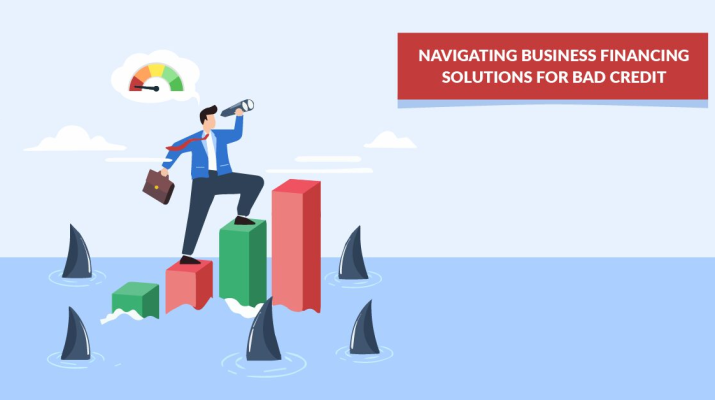
Business funding solutions for bad credit have become a critical lifeline for aspiring entrepreneurs struggling with poor credit histories. Traditional lenders often dismiss these individuals, making it seem nearly impossible to secure necessary capital for their ventures. Thankfully, a variety of alternative financing options have emerged, including bad credit loans, peer-to-peer lending, microloans, and even crowdfunding platforms. These innovative resources empower business owners to pursue their dreams without being constrained by their credit scores. By exploring these funding avenues, entrepreneurs can find the support needed to launch and scale their businesses, turning their visions into reality.
In today’s dynamic financial landscape, finding financing solutions for those with less-than-perfect credit is more important than ever. Many individuals encounter significant obstacles when seeking funds to establish their businesses, particularly from traditional banking institutions. However, the rise of diversified funding resources such as community-centric lending, entrepreneur-focused microloans, and collaborative investment platforms presents new hope. These alternatives not only offer financial assistance but also foster networking and support within entrepreneurial communities. By embracing these innovative concepts, those faced with credit difficulties can access capital and take significant steps toward achieving their business goals.
Applying for a merchant account is a crucial step for businesses looking to accept debit and credit card payments. The process typically begins with researching different providers to find the one that best suits your business needs. Look for providers that offer competitive transaction fees, a variety of payment processing options, and strong customer support. Once you’ve selected a provider, you will need to fill out an application form, which usually requires detailed information about your business, including its legal structure, average transaction amounts, and estimated monthly sales volume.
After the initial application is submitted, the provider may require additional documentation to complete the approval process. This can include business identification documents, a copy of your business license, tax information, and bank account details. The provider will conduct a credit check and assess the risk associated with your business before granting approval. Once approved, you will receive instructions on how to integrate the merchant account with your website or point-of-sale system. Be sure to read through the terms and conditions carefully, as they will outline the processing fees, withdrawal times, and any other important guidelines you need to follow.
Business Funding Solutions for Bad Credit Applicants
For entrepreneurs grappling with bad credit, navigating the financial landscape can feel overwhelming. Traditional lenders often impose high barriers to entry, including steep interest rates and strict criteria that can shut out potential business owners. Fortunately, emerging business funding solutions are now available to cater specifically to individuals with poor credit histories. These funding avenues focus not only on providing capital but also on fostering community support and inclusion in the entrepreneurial ecosystem.
Among the innovative funding solutions, alternative lending options have gained significant traction. These solutions include peer-to-peer lending, microloans, and crowdfunding platforms, all of which empower aspiring entrepreneurs to access the funds needed to turn their business ideas into reality. By incorporating LSI strategies, these funding options are reshaping the way individuals with bad credit can secure financing and achieve their goals.
The Rise of Alternative Financing for Entrepreneurs
Alternative financing has emerged as a critical pathway for business owners facing credit challenges. Unlike traditional financial institutions that rely heavily on credit scores, alternative lenders assess applications based on various factors, thereby allowing those with bad credit to have a fair chance at securing funds. This shift towards more inclusive lending practices has opened doors for many entrepreneurs who were previously shut out from accessing capital.
More than just accessing funds, alternative financing options encourage entrepreneurs to create robust business plans, enhancing their chances of success. Many of these lenders provide resources and support beyond just capital, emphasizing the importance of sustainable growth and development for their clients, making them a vital ally in the entrepreneurial journey.
Unlocking Opportunities with Peer-to-Peer Lending
Peer-to-peer (P2P) lending has emerged as a game-changer for businesses with bad credit looking for financial backing. This alternative financing method connects borrowers directly with individual investors, bypassing the red tape often associated with banks. With platforms like Funding Circle and LendingClub, entrepreneurs can present their funding requests to a broader audience who can choose to invest based on their personal criteria.
The appeal of P2P lending lies not only in the potential for lower interest rates but also in the collaborative nature of the funding process. Investors evaluate borrowers on their business plans, goals, and potential for success rather than solely relying on credit scores. This flexibility allows many business owners to secure essential funds quickly, enabling them to focus on growing their ventures without the additional stress of restrictive lending terms.
Microloans for Business Growth
Microloans are small loans typically issued by nonprofit organizations aimed at helping entrepreneurs with bad credit access the funds they need. Organizations like Accion and Grameen America specialize in providing these loans, which often come with lower interest rates and more lenient repayment terms compared to traditional loans. These loans are designed to support individuals in developing their businesses while also enabling them to improve their credit scores over time.
Importantly, microloans not only facilitate immediate financial support but also encourage long-term financial literacy and business management skills. This holistic approach empowers entrepreneurs to not only secure funding but to also build a sustainable business model that can thrive in the competitive market.
Building Credit with Credit Builder Loans
Credit builder loans serve as a strategic tool for individuals with bad credit looking to improve their financial standing while acquiring funds for business needs. This innovative funding solution places the borrowed amount into a secured savings account, allowing entrepreneurs to make regular payments that contribute to rebuilding their credit scores. As borrowers consistently pay off these loans, they simultaneously gain access to the capital, creating a win-win scenario.
The structured nature of credit builder loans makes them particularly appealing for those who are cautious about incurring additional debts. They can foster a sense of financial discipline, all while providing necessary funding to establish or expand a business. This dual purpose of improving credit history and offering financial assistance has solidified credit builder loans as a beneficial option for bad credit applicants.
Crowdfunding as a Viable Financing Solution
Crowdfunding has revolutionized how entrepreneurs with bad credit can raise capital for their ventures. By utilizing platforms like Kickstarter and Indiegogo, individuals can present their business ideas directly to the public, garnering support through small contributions from interested supporters. Unlike traditional loans that impose strict repayment requirements, crowdfunding hinges upon community engagement, allowing entrepreneurs to rally support for their vision.
The success of a crowdfunding campaign heavily relies on the entrepreneur’s ability to effectively communicate their business concept and its relevance to potential backers. A well-crafted pitch can not only lead to direct funding but also create a group of loyal supporters invested in the entrepreneur’s journey. This powerful form of financing enables those with bad credit to bypass conventional funding obstacles, fostering creativity and innovation.
The Importance of Community Support in Business Funding
Community support is crucial for entrepreneurs with bad credit, as it provides not only financial backing but also encouragement and motivation. Innovative funding solutions like crowdfunding and peer-to-peer lending create a sense of belonging for business owners who often feel isolated due to their credit challenges. These platforms enable them to connect with individuals who share a belief in their vision and are willing to invest in their success.
Moreover, community-driven funding solutions empower entrepreneurs to build relationships and networks that can lead to future collaborations and partnerships. This emphasis on community engagement fosters a more resilient entrepreneurial ecosystem, where individuals can thrive despite the obstacles presented by bad credit histories.
Navigating Traditional vs. Alternative Lenders
Understanding the distinction between traditional lenders and alternative financing sources is crucial for entrepreneurs with bad credit. Traditional banks typically focus on credit scores as the primary metric for assessing loan applications, which restricts access for many deserving applicants. In contrast, alternative lenders take a more holistic view, considering factors such as business potential and personal circumstances, allowing them to offer more inclusive funding options.
This shift towards embracing a variety of assessment criteria indicates the changing landscape of business funding. Entrepreneurs should actively explore the benefits provided by alternative lenders, including lower barriers to entry and creative financing solutions that cater to their unique situations. By doing so, they can maximize their chances of obtaining the financial resources needed to achieve their business goals.
Future Trends in Business Funding for Bad Credit Applicants
As the financial landscape continues to evolve, the future of business funding for individuals with bad credit looks promising. With the rise of innovative funding options, including peer-to-peer lending and crowdfunding, entrepreneurs are finding new pathways to secure the capital necessary for their ventures. These trends signify a broader recognition of the potential that exists among individuals often overlooked by traditional lending institutions.
Moreover, as society becomes increasingly aware of the importance of inclusivity in entrepreneurship, we can expect more institutions and platforms to emerge, designed specifically to support those with challenging credit histories. This trend not only enhances opportunities for entrepreneurs but also stimulates economic growth by fostering diverse business ventures across communities.
| Funding Solution | Description | Key Benefits |
|---|---|---|
| Kiva | Offers zero-interest loans to entrepreneurs regardless of credit history by connecting them with community supporters. | Community support, flexible funding from $100 to $15,000. Ideal for those seeking to launch their business. |
| Peer-to-Peer Lending | Platforms like Funding Circle and LendingClub connect borrowers directly to investors, bypassing traditional banks. | Quick access to funds with less stringent credit requirements. |
| Microloans | Provided by nonprofit organizations like Accion and Grameen America, these are small loans tailored for bad credit applicants. | Lower interest rates, flexible repayment plans, and potential credit rebuilding. |
| Credit Builder Loans | Loans designed to help individuals improve their credit scores while acquiring funds for their business. | Improvement of credit scores during repayment and access to funds at loan maturity. |
| Crowdfunding | Platforms like Kickstarter and Indiegogo allow entrepreneurs to raise funds from the public with pitched ideas. | Engage community support, no need for traditional loans, and creative fundraising opportunities. |
Summary
Business funding solutions for bad credit are increasingly accessible, providing hopeful entrepreneurs with the resources they need to start and grow their ventures. The traditional barriers of high-interest rates and restrictive terms imposed by conventional banks often leave individuals with poor credit history feeling discouraged. Fortunately, a spectrum of innovative funding solutions now exists to empower these entrepreneurs. From community-oriented platforms like Kiva that offer zero-interest loans, to flexible peer-to-peer lending and supportive microloan programs, business funding has evolved to be more inclusive. Credit builder loans pave the way for individuals to enhance their credit while acquiring necessary funds, while crowdfunding allows for creative financing without the weight of traditional debt. As these options continue to expand, they present a brighter pathway for those aspiring to turn their business dreams into reality, proving that bad credit doesn’t have to limit one’s entrepreneurial aspirations.
When it comes to starting a new business, those with bad credit often find themselves navigating a maze of obstacles, particularly when searching for viable funding options. Business funding solutions for bad credit are essential for aspiring entrepreneurs who have been overlooked by traditional lenders due to their credit history. Fortunately, the financial landscape is shifting, offering a variety of innovative alternatives such as bad credit loans, microloans for small businesses, and peer-to-peer lending. These options not only provide much-needed capital but also serve as a lifeline for individuals looking to establish their enterprises. Additionally, emerging crowdfunding platforms are revolutionizing how entrepreneurs can secure financial backing, making it easier for them to kickstart their dreams despite credit challenges.
The quest for capital can be particularly daunting for individuals whose financial histories are less than stellar. Alternative financing solutions for entrepreneurs, particularly those facing credit challenges, have become crucial in today’s market. From microloans specifically tailored for small business owners to peer-to-peer lending platforms that connect directly with investors, a wealth of resources is now available. Moreover, innovators in the crowdfunding space create opportunities for entrepreneurs to showcase their ideas and gather support from passionate backers. Together, these evolving financial alternatives are reshaping the way entrepreneurs with bad credit can access the funds necessary to launch and grow their businesses.
Frequently Asked Questions
What are the best business funding solutions for bad credit entrepreneurs?
For entrepreneurs with bad credit, some effective business funding solutions include alternative financing options like peer-to-peer lending, microloans from nonprofit organizations, credit builder loans, and crowdfunding platforms. These options cater specifically to individuals facing credit challenges, often allowing them to secure financing with more flexible requirements compared to traditional banks.
Bad credit loans provide essential financial support for individuals who have a less than favorable credit history. These loans are often characterized by higher interest rates and more stringent terms, reflecting the greater risk lenders face when extending credit to those with poor credit scores. For borrowers, these loans can serve as a crucial lifeline, allowing them to cover unexpected expenses, consolidate debt, or make necessary purchases that can improve their financial standing over time. It is, however, important for borrowers to carefully assess their financial situation and ensure that they can manage the repayment terms associated with such loans.
Alternative financing for entrepreneurs has gained significant traction, especially for those who may not qualify for traditional bank loans. This type of financing includes options such as invoice financing, merchant cash advances, and peer-to-peer lending. These methods allow entrepreneurs to access the capital they need without the lengthy approval processes of conventional banks. Each option has its own set of benefits and risks, making it crucial for entrepreneurs to thoroughly research and understand the terms before diving in.
Peer-to-peer lending is a revolutionary financing model that connects borrowers directly with individual investors, bypassing traditional financial institutions. This innovative approach enables borrowers to secure loans at potentially lower interest rates, while investors can earn higher returns compared to typical savings account rates. The process is usually facilitated by online platforms, which assess both borrower creditworthiness and investor risk appetite, creating a more democratized lending landscape. However, as with any investment, peer-to-peer lending carries inherent risks, and both parties should conduct proper due diligence.
Microloans for small businesses provide a valuable resource for entrepreneurs, especially those in underserved communities lacking access to traditional financial services. These small loans, often ranging from a few hundred to several thousand dollars, are typically offered by nonprofit organizations and community development financial institutions (CDFIs). Microloans serve to support startup costs, inventory purchases, or even day-to-day operational expenses. They not only help entrepreneurs to kickstart their ventures but also foster economic development by creating jobs and invigorating local economies.
Crowdfunding platforms have become a game-changer for entrepreneurs seeking to fund their projects or startups without relying on conventional financing. These platforms enable individuals or businesses to present their ideas to a wide audience, who can contribute small amounts of money to help bring the project to life. Popular crowdfunding options include reward-based crowdfunding, where backers receive non-monetary rewards, and equity crowdfunding, which allows backers to invest in exchange for equity in the company. This model not only provides necessary capital but also validates a business idea through community support, making it a powerful tool for entrepreneurs.
Starting a business can be challenging for anyone, but for individuals with bad credit, the hurdles can seem insurmountable. Traditional banks often impose strict lending criteria, relying heavily on credit scores that may not accurately reflect a person’s ability or commitment to succeed. This reality has given rise to a variety of innovative funding solutions designed specifically for aspiring entrepreneurs who struggle with poor credit. As the business landscape evolves, it is essential for those impacted by credit issues to explore these alternative funding avenues that promise more flexibility and support than conventional options.
Alternative lenders have become a beacon of hope for entrepreneurs facing credit challenges. Unlike traditional banks, many alternative lenders consider a broader range of factors when assessing loan applications, looking at experience, revenue, and business potential rather than just credit scores. This approach allows bad credit applicants to present a more holistic view of their financial situation and business plan, increasing their chances of securing necessary funding. Additionally, these lenders often provide quicker access to capital, allowing budding entrepreneurs to seize opportunities and move forward with their business ventures without prolonged waiting periods.
Platforms like Kiva are revolutionizing how loans are sourced for new businesses, particularly for those with bad credit. By focusing on community-driven support, Kiva allows individuals to share their business ideas directly with potential lenders, tapping into micro-financing through a network of supporters who believe in their vision. This model not only helps raise the required funds but also fosters a sense of community and accountability among borrowers. Consequently, those with bad credit can gain access to vital startup resources while simultaneously working towards rebuilding their financial reputation.
Peer-to-peer (P2P) lending has further changed the landscape for funding opportunities, bypassing traditional financial institutions entirely. Through P2P platforms, entrepreneurs can directly connect with investors who are interested in supporting small businesses, often with more lenient credit requirements. This direct interaction not only expedites the funding process but also enables borrowers to forge meaningful relationships with their investors. The flexible terms offered by P2P lending sources provide an invaluable lifeline for individuals seeking to launch their enterprises without the burden of poor credit history weighing them down.
Microloans from nonprofit organizations serve as another crucial resource for aspiring entrepreneurs struggling with bad credit. Organizations such as Accion and Grameen America have tailored their offerings to cater specifically to individuals with limited credit options. These microloans often come with lower interest rates and more lenient repayment terms, allowing entrepreneurs to access the funding they need to kickstart their businesses while simultaneously improving their credit profiles. The combination of financial assistance and credit-building is a valuable benefit for those looking to establish themselves in the competitive world of entrepreneurship.
Credit builder loans present a strategic approach to both securing funds and improving one’s credit score. By depositing the loan amount into a secured account while allowing the borrower to make manageable payments over time, participants can incrementally rebuild their credit ratings. Once the loan is fully paid, borrowers access the funds, using them to advance their business objectives. This innovative solution reduces the fear of further debt strain while empowering individuals to take control of their financial future and entrepreneurial aspirations.
Finally, the rise of crowdfunding platforms like Kickstarter and Indiegogo has opened new avenues for individuals with bad credit to gather the necessary resources to launch their businesses. Crowdfunding allows entrepreneurs to present their ideas to the public, garnering financial support without the constraints of traditional lending. Successful crowdfunding campaigns require compelling narratives and effective promotion, engaging potential backers who are passionate about the project. This model empowers entrepreneurs to pursue their vision without being hindered by past credit challenges, proving that creativity and tenacity can supersede financial barriers.
In conclusion, the entrepreneurial journey does not need to be overshadowed by poor credit. With a multitude of innovative funding solutions emerging, individuals can access the financial resources required to pursue their business goals. Alternative lenders, peer-to-peer platforms, microloans, credit builder loans, and crowdfunding present practical and effective alternatives to traditional financing, fostering inclusivity in the business landscape. By embracing these options, aspiring entrepreneurs can overcome the limitations posed by their credit history and achieve their dreams of business ownership and success.