
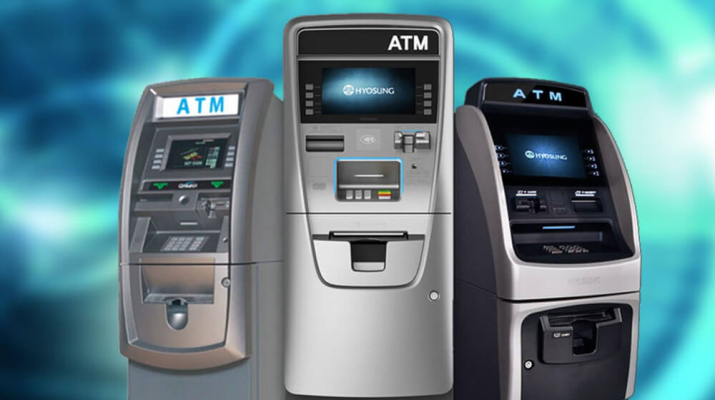
Buying ATM machines represents a compelling opportunity for entrepreneurs ready to tap into the thriving ATM market. As the demand for accessible cash continues to grow, understanding the intricacies of ATM ownership, from purchase options to financing ATMs, is vital. Positioned within a market anticipated to reach $16 billion, the potential for lucrative returns is immense. Entrepreneurs who invest wisely in the ATM business can benefit greatly by exploring current market trends and the overall evolution of cash transactions. By mastering the various elements of buying an ATM, you can lay a strong foundation for a successful venture that meets consumer needs.
Acquiring automated teller machines (ATMs) can be a strategic move for business-minded individuals looking to capitalize on the cash-driven economy. The landscape for ATM ownership is rapidly changing, influenced by emerging trends and technological advancements that shape consumer habits. Engaging in the purchase of these cash dispensers not only opens doors to financial benefits but also enhances customer convenience. As the landscape of the ATM industry shifts, potential owners must remain informed about recent developments and financing options available. Delving into this sector allows entrepreneurs to align with current demands while contributing to the seamless flow of cash transactions in their communities.
Applying for a merchant account starts with assessing your business needs and understanding the different options available for payment processing. First, you’ll need to choose a payment processor or bank that suits your business model. Look for features that align with your operational requirements, such as transaction fees, compatibility with your sales platforms, customer support, and whether they provide point-of-sale (POS) systems or online payment gateways. Once you have selected a potential provider, visit their website and find the application section. This usually involves filling out an online form that will require details about your business structure, financial information, and projected transaction volumes.
After submitting your application, the payment processor will conduct a review process, which may include a background check and an assessment of your credit history. Be prepared to provide additional documentation such as your business license, bank statements, and tax ID number. Once your application is approved, you will typically receive a merchant account which allows you to start accepting credit and debit card payments. To ensure a smooth experience, regularly check in with your provider for account setup assistance or any necessary equipment configurations. For more detailed guidance on the application process, specific requirements, and tips to improve your approval chances, visit [MerchantAccountGuide.com](https://www.merchantaccountguide.com).
Understanding the ATM Business Landscape
The ATM business presents an incredible opportunity for those venturing into entrepreneurship. With the global ATM market projected to grow, the landscape is ripe for new entrants. It is vital for potential investors to understand market nuances, including customer demand for cash, the rise of digital banking, and the competitive dynamics within the sector. Many entrepreneurs enter this field due to the consistent revenue generated from transaction fees, making it a compelling choice for business-minded individuals.
Additionally, those interested in buying ATM machines should keep an eye on current market trends. Changes in consumer behavior, especially the preference for cash transactions over fully digital payment methods in certain demographics, can influence decisions about purchasing and placing ATMs. Tracking these trends can provide insights into the best locations, peak transaction times, and the profile of your ideal ATM clientele.
| Key Points | Details |
|---|---|
| Market Overview | The ATM market is valued over $16 billion, expected growth of 6.6% through 2028, driven by demand for cash transactions. |
| Choosing the Right ATM | Analyze location, foot traffic, fees, and maintenance to determine the best ATM model for profitability. |
| Financing Options | Outright purchase, leasing, and third-party financing are key methods to finance an ATM. |
| Legal and Regulatory Considerations | Understand licensing requirements and compliance for security and transaction regulations. |
| Operational Management | Monitor cash flow, fees, and schedule maintenance to ensure smooth ATM operations. |
| Emerging Trends | Focus on new technologies like contactless payments and QR codes to attract customers. |
Summary
Buying ATM machines can be an intelligent investment for entrepreneurs aiming to capitalize on the ongoing demand for cash transactions. As the ATM industry thrives with a projected growth rate of 6.6%, understanding market dynamics, financing solutions, and operational management strategies is crucial for success. Entrepreneurs must strategically select high-traffic locations for their ATMs and remain adaptable to the evolving technological landscape. By staying informed and proactive in their approach, aspiring ATM owners can effectively cater to consumer needs, ensuring a profitable venture in the cash economy.
Buying ATM machines can be an exciting venture for aspiring business owners looking to tap into the cash economy. As the demand for convenient cash access continues to surge, the ATM business presents a profitable opportunity for entrepreneurship. This complete guide will walk you through the essential details of ATM ownership, from understanding current ATM market trends to analyzing financing ATMs. With a market expected to grow significantly in the coming years, making an informed decision about your purchase can yield substantial returns. Whether you’re looking to enhance your existing business or start anew, knowing how to navigate the complexities of buying an ATM is vital for success.
Acquiring cash dispensing devices is a strategic move for those interested in establishing their presence within the financial services industry. Investing in automatic teller machines presents numerous possibilities, linking entrepreneurs to extensive customer bases requiring swift access to cash. With an evolving landscape characterized by emerging trends and advancements in ATM technology, understanding the nuances of this market becomes crucial. From capitalizing on consumer preferences to strategically locating your machines, this guide provides insights into navigating the intricate world of cash transaction facilitation. Affiliating with financing options and comprehending regulatory requirements are equally important in ensuring a smooth operation and lasting sustainability.
Frequently Asked Questions
What should I consider before buying ATM machines for my business?
When buying ATM machines, consider factors such as location analysis, transaction fees, maintenance costs, and the types of ATMs suited for your target market. Evaluating foot traffic and competition in prospective sites is crucial for ensuring profitable ATM ownership.
How can I finance my ATM purchase effectively?
There are several financing options for purchasing ATMs, including outright purchases for full ownership, leasing for fixed monthly payments with included maintenance, and third-party financing tailored to ATM owners. These methods can help manage initial costs and facilitate smoother entry into the ATM business.
What are the latest trends in the ATM market I should be aware of when buying an ATM?
Emerging trends in the ATM market include advanced features like contactless payments and biometric verification. Staying updated on technological advancements can enhance customer experience and differentiate your ATM business in a competitive environment, making it essential for successful ATM ownership.
What legal considerations do I need to know about buying ATM machines?
Legal and regulatory considerations when buying ATM machines include understanding licensing requirements, compliance with transaction monitoring regulations, and ensuring data security standards are met. Complying with these legalities is important to maintain customer trust and avoid penalties.
Starting an ATM business can be a lucrative venture, especially in today’s fast-paced cash-centric economy. With advances in technology and the increasing reliance on cash transactions in various sectors, the demand for ATMs has surged. Investing in ATMs not only provides passive income but also requires thoughtful planning and execution. Before diving into the market, aspiring ATM owners must conduct thorough research to understand the business model and operational requirements. This includes evaluating the competition, identifying ideal locations, and understanding regulations tied to ATM ownership.
Purchasing an ATM involves several critical considerations. When looking into buying an ATM, potential owners should weigh the costs associated with the machine itself, transaction fees, maintenance expenses, and ongoing service agreements. It’s also important to evaluate the expected return on investment based on projected foot traffic at the chosen location. Additionally, prospective buyers can explore both new and refurbished ATM options, each with its own cost advantages and technological features. Understanding the financing options available for ATMs can also help streamline the purchasing process.
ATM ownership comes with a host of responsibilities, from ensuring compliance with laws to maintaining operational efficiency. Owners must consider cash management, regular servicing, and security measures to protect the machine from theft or vandalism. They also need to form relationships with local banks and cash-in-transit services to ensure a constant supply of cash and quick responses to any technical issues. Being proactive about location assessment and adapting to changing market trends can significantly influence the profitability of the ATM business.
Recent trends in the ATM market suggest a shift toward advanced technology features, such as contactless transactions and mobile app integrations. With an increasing number of consumers preferring contactless payments, ATMs equipped for such functionalities are likely to attract higher usage rates. Moreover, innovations in machine design, such as energy-efficient models and user-friendly interfaces, are becoming more prevalent. Staying updated on these trends is crucial for ATM owners looking to maximize their investments and meet customer expectations.
Financing an ATM can be approached through various avenues, including cash purchases, loans, or lease agreements. Many financial institutions offer specialized financing for ATM purchases, which can ease the initial capital burden. It’s advisable for potential ATM owners to assess their financial situation and consider factors like interest rates, repayment terms, and expected cash flow from ATM transactions. Additionally, some companies also provide financing packages that include installation, maintenance, and software, making it easier for new owners to enter the market without overwhelming upfront expenditures.
The profitability of owning ATM machines can be tied directly to strategic decision-making. When entering this business, entrepreneurs must thoroughly evaluate different ATM models, their respective transaction features, and physical placement to optimize returns. Factors such as location selection—whether in a busy shopping center, convenience store, or tourist area—can significantly affect the number of transactions and, subsequently, profit margins. Additionally, analyzing competitor ATMs in the area can offer insights into fee structuring and service offerings, allowing new ATM owners to differentiate their machines and attract more users.
Financing is a critical component of entering the ATM market. Entrepreneurs need to weigh the pros and cons of each financing option based on their financial situation and business strategy. An outright purchase may mean higher upfront investment but allows for complete control over profit margins and operational flexibility. On the other hand, leasing can ease financial strain and often includes maintenance, which may be ideal for someone new to the industry. Seeking third-party financing could also provide favorable terms, making it easier to manage initial expenditures while capitalizing on lucrative ATM placements.
Legal compliance is another essential pillar of successful ATM ownership. Each region mandates specific regulations concerning ATM operation, necessitating a thorough understanding of local laws related to installation, security, and transaction reporting. Entrepreneurs must obtain the necessary permits and ensure their machines adhere to standards regarding data protection and financial compliance. By prioritizing these legal considerations, ATM owners can not only avoid hefty fines but also build a reputable business capable of withstanding regulatory scrutiny. Staying informed on changes in compliance requirements will help maintain the integrity and longevity of the ATM operations.
Operational management cannot be overstated in its importance for sustaining profitable ATM ownership. Cash flow and machine uptime directly dictate the financial success of an ATM; hence, regular monitoring is crucial. Entrepreneurs should implement rigorous cash replenishment schedules to prevent downtime from machines running out of cash at critical times, especially during peak foot traffic hours. Additionally, analyzing transaction fees periodically will help owners adjust to market fluctuations and ensure that their fees remain competitive while still maximizing profit.
With emerging technologies reshaping the payment landscape, aspiring ATM owners should remain vigilant and adaptable. Innovations such as contactless payment options and advanced security features can enhance consumer engagement and trust. By offering these modern conveniences, an ATM business can stand out in a crowded market. Moreover, utilizing data analytics to understand customer behavior can guide decisions on machine enhancements, features, and even strategic placement, thereby increasing the likelihood of higher transaction volumes.
