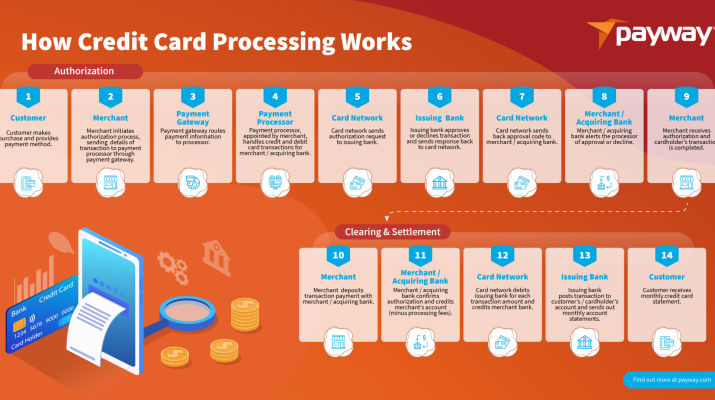
In the modern marketplace, credit card processing stands as a pillar of effective financial transactions, enabling businesses to thrive in an increasingly cashless society. The ability to seamlessly accept payments through various methods, including credit card machines and state-of-the-art POS systems, is essential for catering to consumer preferences. With the rise of payment processing apps and contactless payments, entrepreneurs now have a range of tools at their disposal, allowing for quicker and more efficient transactions. This guide will navigate through the key components of credit card processing, highlighting the machines, systems, and companies that define this critical industry. Whether you’re a small business owner or part of a larger corporation, understanding the intricacies of payment processing is vital for ongoing success.
Exploring the world of transaction facilitation reveals a multifaceted landscape where credit card processing, also known as merchant payment processing, plays an integral role in business operations. This concept encompasses a variety of solutions, including advanced payment processing mechanisms and innovative financial technologies designed to streamline workflows. Today’s enterprises leverage a combination of point-of-sale solutions and mobile payment platforms to satisfy the increasing demand for efficient payment methods. As digital transactions continue to dominate, understanding the various available avenues, from contactless transactions to subscription billing systems, is essential for businesses striving to enhance their financial practices. By tapping into these resources, companies can position themselves competitively in the evolving payment processing ecosystem.
Applying for a merchant account is an essential step for any business looking to accept credit and debit card payments. To begin the application process, first gather all necessary documentation, including your business license, tax identification number, and bank statements. It’s important to choose a payment processor that aligns with your business model, as different providers cater to various industries and needs. Most merchant service providers will have an online application form that you can fill out, where you’ll provide details about your business, expected sales volume, and the types of transactions you’ll process.
Once you’ve submitted your application, the payment processor will review your information, which often includes a credit check and evaluation of your business’s financial health. If approved, you’ll receive your merchant account details along with instructions on how to set up your payment processing system. This usually involves configuring your payment gateway and integrating it with your online store or point-of-sale systems. For more detailed guidance on the application process and to find reputable payment processors, consider visiting a website that specializes in financial services for businesses.
The Role of Credit Card Processing in Modern Retail
In the current retail landscape, credit card processing is not just a back-office function; it’s a vital component that shapes the customer experience. As the digital age continues to evolve, consumers expect seamless payment experiences that prioritize convenience and speed. Retailers must therefore invest in robust credit card processing systems that integrate well with other aspects of their business, such as inventory management and customer service. From traditional brick-and-mortar stores to thriving e-commerce platforms, having an efficient payment processing solution can make or break customer satisfaction.
Furthermore, the efficiency of credit card processing significantly impacts a retailer’s bottom line. Businesses that utilize advanced payment solutions can reduce transaction times, decrease costs related to errors, and ultimately provide a more pleasant shopping experience. In a competitive marketplace, those that adapt quickly to the demands of cashless transactions, particularly through contactless payments and mobile processing apps, can distinguish themselves from competitors. This evolution in payment processing not only enhances customer loyalty but also drives repeat business.
Types of Credit Card Processing Machines
When it comes to credit card processing machines, there are several types, each designed to cater to specific business needs. The most common include traditional point-of-sale (POS) systems, mobile card readers, and contactless payment machines. Traditional POS systems provide a comprehensive solution combining hardware and software, allowing businesses to manage transactions and monitor sales data effectively. Cloud-based POS options, like those provided by Clover and Square, have revolutionized inventory management and analytics, enabling real-time updates and access from anywhere.
Mobile card readers have also gained popularity, particularly among small businesses and independent contractors. These portable devices can connect to smartphones or tablets via Bluetooth, allowing users to accept payments on the go. This convenience is crucial in today’s fast-paced environment where customers expect flexibility and immediacy. Furthermore, with the rise of contactless payments, investing in machines that support NFC technology is becoming increasingly essential for businesses that want to stay relevant and efficient in their transactions.
Advantages of Mobile Payment Processing Apps
Mobile payment processing apps have transformed how businesses operate, offering unprecedented flexibility for both entrepreneurs and established companies. These apps, such as PayPal, Square, and Venmo, allow users to accept payments directly from their smartphones, streamlining the payment process for customers. One of the major advantages of these applications is their low entry cost, appealing especially to small business owners and freelancers who may lack the capital for elaborate POS systems.
Moreover, these applications often come with built-in features that help manage transactions without requiring extensive training. Users can easily track sales, generate invoices, and even analyze customer data to make informed business decisions. The ease of integrating these mobile payment solutions into existing business operations adds to their allure, making them a favored choice in today’s entrepreneurial ecosystems. As mobile payment technologies continue to evolve, businesses that leverage these apps can position themselves for growth and improved customer satisfaction.
Integrating Payment Processing Systems for Efficiency
Integrating various payment processing systems is crucial for businesses striving for efficiency and automation in their operations. When businesses utilize standalone systems for credit card processing, e-commerce, or inventory management, the flow of data can become disjointed, leading to errors and operational headaches. Comprehensive integrated payment systems like Shopify and QuickBooks offer solutions that unify payment processing, sales tracking, and inventory management into a single platform.
This integration not only minimizes the chances of manual entry errors but also provides a holistic view of business performance. Companies can analyze sales trends and inventory levels in real time, enabling smarter inventory purchases and cash flow management. As businesses increasingly rely on data-driven decisions, those using integrated systems will benefit from enhanced operational efficiency, cost savings, and improved customer experiences.
The Evolution of POS Systems
Point-of-sale (POS) systems have undergone significant transformations in recent years, moving from simple cash registers to sophisticated systems that handle various payment methods, including credit cards, mobile wallets, and contactless payments. This evolution has been driven by technological advancements and changing consumer preferences for faster, more convenient transactions. Today’s POS systems not only process payments but also provide valuable data analytics and inventory management features, contributing to more informed business decisions.
As businesses recognize the importance of customer experience, modern POS systems have also integrated additional functionalities like loyalty programs and personalized marketing. By leveraging customer data, retailers can create targeted promotions and enhance their engagement strategies. This ability to adapt to evolving market demands is crucial for businesses aiming to thrive in a competitive environment, encouraging them to select POS systems that offer scalability and versatility.
Emergence of Contactless Payment Solutions
The emergence of contactless payment solutions has redefined the landscape of credit card processing, particularly in a post-pandemic world. Customers are increasingly favoring payment methods that eliminate physical contact, and as a result, businesses are adapting to meet these preferences. Contactless payments, enabled by Near Field Communication (NFC) technology, allow consumers to complete transactions by simply tapping their cards or mobile devices on a compatible terminal, leading to faster checkout times and an enhanced shopping experience.
The convenience of contactless payments extends beyond speed; it also enhances security. Consumers are reassured that their data is protected through tokenization and encryption methods used in contactless transactions. For businesses, integrating contactless payment machines into their operations can significantly increase customer satisfaction and loyalty, as customers appreciate the ease and efficiency of this modern approach to payments. Adopting such technology positions businesses as forward-thinking and customer-focused, essential traits in the contemporary marketplace.
Recognizing the Best Payment Processing Companies
Choosing the right payment processing company is essential for businesses to establish a reliable and efficient payment ecosystem. Companies like Square, PayPal, and Stripe have made significant marks in the industry by offering innovative solutions tailored to different business needs. For instance, Square’s comprehensive payment platform includes easy-to-use software and hardware that cater to small businesses looking to keep their costs low while maintaining high service levels.
On the other hand, Stripe’s robust API allows developers to customize the payment process extensively, making it a go-to choice for e-commerce platforms that require flexibility and technical capability. Additionally, established companies like PayPal offer built-in trust among consumers, ensuring that businesses using their services can capitalize on customer confidence and widespread recognition. Evaluating these payment processing companies carefully can dramatically impact a company’s operations and growth trajectory.
Future Trends in Credit Card Processing
The future of credit card processing is poised for exciting developments as technology continues to advance at an unprecedented pace. Consumer behavior shifts towards digital wallets and app-based solutions are expected to shape the next generation of payment processing technologies. As businesses seek to enhance customer experiences, integrating AI and machine learning into payment systems can provide predictive analytics, fraud detection, and personalized marketing opportunities.
Additionally, as global e-commerce expands, businesses must adapt to accommodating multiple currencies and payment methods. Companies like Adyen are already spearheading initiatives to develop scalable payment solutions that support this trend. The increasing demand for seamless international transactions signals that flexibility and adaptability will be crucial attributes for future payment processors. Businesses that stay ahead of these trends will be better positioned to serve their customers efficiently and maintain a competitive edge.
Choosing the Right Tools for Your Business
Selecting the appropriate credit card processing tools is vital for businesses looking to optimize their operations and improve customer interactions. With various options available, from sophisticated POS systems to versatile mobile apps, it is essential to assess your specific business needs and customer preferences before making a decision. Factors such as transaction volume, type of goods or services, and your target audience play critical roles in determining the best fit for your business.
Moreover, considering scalability is paramount as businesses aim for growth. A solution that works for a small venture may not suffice as the business expands, so investing in adaptable systems can save time and resources in the long run. Businesses must conduct thorough research, seek recommendations, and potentially test multiple solutions to ensure their chosen tools will successfully meet their evolving requirements in the demanding world of credit card processing.
| Key Area | Description |
|---|---|
| Understanding Credit Card Processing | A series of steps enabling merchants to accept credit/debit card payments, requiring specialized machines and software. |
| Credit Card Processing Machines | Different hardware types including POS systems, contactless payment machines, and mobile card readers improve transactions. |
| Apps for Payment Processing | Mobile payment solutions, integrated systems, and subscription-based apps facilitate payment acceptance. |
| Key Companies in the Market | Leading providers like Square, Stripe, PayPal, and Adyen offer various processing solutions for businesses. |
Summary
Credit Card Processing is essential for modern businesses, who must adapt to various technologies to effectively manage transactions. Initially, companies relied heavily on traditional card readers and payment systems. Over time, innovations such as contactless payments and advanced mobile applications emerged, streamlining the transaction experience. Today, businesses utilize integrated payment solutions and subscription-based systems to cater to various consumer needs. Popular companies like Square, Stripe, and PayPal have transformed the landscape by offering user-friendly interfaces and enhanced security measures. With the continuous changes in payment processing technology, it is crucial for businesses to stay updated on the latest tools and trends to remain competitive.
Frequently Asked Questions
What is credit card processing?
Credit card processing refers to the series of steps that allow businesses to accept payments from customers using credit or debit cards. This includes the use of credit card machines, secure communication between merchants and banks, and verification of funds.
How do credit card processing machines work?
Credit card processing machines, such as POS systems and mobile card readers, work by securely transmitting cardholder information to payment processing companies. They read card data via magnetic stripes or NFC technology for contactless payments, ensuring transactions are completed efficiently.
What are the best POS systems for credit card processing?
Top POS systems for credit card processing include Square, Clover, and Toast. These platforms integrate hardware and software to streamline payment processing while managing inventory and sales data in real-time.
What features should I look for in payment processing apps?
When selecting payment processing apps, consider features such as user-friendly interfaces, low transaction fees, integration capabilities with other business tools, and support for contactless payments to enhance customer experience.
Are contactless payments safe for credit card processing?
Yes, contactless payments are generally safe for credit card processing. They use secure encryption and tokenization to protect transaction information, minimizing the risk of fraud during in-person transactions.
How can mobile card readers benefit small businesses?
Mobile card readers enable small businesses to accept credit card payments on-the-go, offering flexibility and convenience. They connect to mobile devices via Bluetooth, allowing entrepreneurs to process payments anywhere, enhancing customer service.
What are the top payment processing companies?
Leading payment processing companies include Square, Stripe, PayPal, and Adyen. Each offers unique solutions tailored to various business needs, from e-commerce to in-store transactions.
What is the role of integrated payment systems in credit card processing?
Integrated payment systems manage all aspects of credit card processing within a single platform. They synchronize payment processing with sales tracking, inventory management, and accounting, increasing operational efficiency for businesses.
How do subscription-based payment processors work?
Subscription-based payment processors like Stripe and Chargebee facilitate recurring billing for businesses with ongoing customer relationships. They automate the payment collection process, ensuring timely charges and excellent customer experience.
How to choose the right credit card processing solutions for my business?
To choose the right credit card processing solutions, assess your business size, transaction volume, required features (like mobile payment capability), and compare transaction fees among different payment processing companies to find the best fit.
Credit card machines have evolved significantly from the basic manual imprint devices used in the past. Today’s modern credit card machines are equipped with advanced features, including touch screens, built-in scanners, and connectivity options such as Bluetooth and Wi-Fi. These machines can process not only debit and credit card transactions but also integrate with payment processing apps, allowing businesses to streamline their payment workflows and enhance the customer experience.
Payment processing apps have transformed the way consumers and businesses handle transactions. These applications enable users to make secure payments directly from their smartphones or tablets, eliminating the need for physical cards. They offer convenience and speed, allowing businesses to accept payments from anywhere, and often come with advanced analytics that help merchants track sales and customer behavior. Examples include popular apps like Square and PayPal, which are designed to cater to small and medium-sized enterprises.
Point-of-Sale (POS) systems are crucial for any retail or hospitality business, as they not only process sales transactions but also manage inventory, track employee performance, and provide reporting insights. Modern POS systems can integrate with various payment processing methods, including contactless payments, to provide a seamless checkout experience. Enhanced features like loyalty programs and customer relationship management tools are increasingly becoming part of comprehensive POS solutions.
Contactless payments have gained huge popularity, especially following global health concerns that arose during the pandemic. With just a tap or wave of a card or smartphone, consumers can complete transactions quickly and securely without the need to physically insert a card or use cash. This method relies on technologies such as NFC (Near Field Communication) and RFID (Radio-Frequency Identification), which not only speed up the payment process but also reduce the risk of transmitting germs.
Payment processing companies act as intermediaries between businesses and credit card networks, facilitating the approval of transactions and ensuring that funds are transferred securely between parties. These companies offer various services, including access to payment gateways, fraud prevention systems, and customer support. Some of the well-known payment processing companies are Stripe, Adyen, and Merchant Services, which provide tailored solutions to meet the diverse needs of different businesses.
Credit card processing is a fundamental aspect of modern commerce, crucial for facilitating transactions between businesses and their customers. This multi-step procedure involves various elements, including authorization, batching, and settlement, which collectively ensure that payments are processed securely and efficiently. With the increasing expectation for smooth transactions, businesses are compelled to adopt advanced technology solutions that streamline payment processing, enhance customer satisfaction, and ultimately drive revenue.
In terms of hardware, businesses now require reliable credit card processing machines to meet the demands of today’s consumers. POS systems serve as the core infrastructure, integrating seamlessly with various payment methods, including mobile and contactless payments. These sophisticated systems not only handle payments but also provide valuable insights through analytics, allowing businesses to make informed decisions about inventory and sales trends. As consumer behavior shifts toward fast and contactless transactions, investing in state-of-the-art machines is essential for any business aiming to remain competitive.
Moreover, mobile payment applications have revolutionized credit card processing, enabling quick and convenient transactions for both businesses and customers. Applications like PayPal and Venmo have expanded their functionalities, allowing businesses to accept payments with minimal overhead. Integrated systems that combine payment processing with inventory and accounting solutions have further simplified operations for companies, making it easier to manage day-to-day activities. These apps not only enhance the efficiency of transactions but also provide businesses with tools to analyze customer purchasing patterns, leading to better service offerings.
Key players in the credit card processing market, such as Square, Stripe, and PayPal, play a significant role in shaping the landscape of payment solutions. Square’s focus on small businesses has made it a go-to choice for emerging entrepreneurs looking for cost-effective solutions. In contrast, Stripe’s robust API supports tech-savvy online businesses seeking tailored payment integration. PayPal’s global presence and security reputation attract many customers, ensuring a level of trust in the payment process. Understanding the strengths and offerings of these providers is crucial for businesses evaluating their options in the credit card processing ecosystem.
As the payment processing landscape evolves, businesses that effectively integrate advanced tools and technologies stand to gain a significant competitive edge. By leveraging modern POS systems, adopting mobile payment applications, and selecting reputable processing companies, organizations can not only enhance transactional efficiency but also improve customer engagement and satisfaction. Keeping abreast of trends while utilizing the right set of tools ensures that businesses can adapt to changing consumer preferences and continue to thrive in a fast-paced, technology-driven market.