
In the modern business environment, **business credit** has emerged as a vital component that underpins entrepreneurial success and growth. It is through strong business credit that entrepreneurs gain access to essential capital, empowering them to invest, innovate, and expand their operations. Understanding the intricacies of business credit not only enhances financial literacy but also enables small and medium enterprises (SMEs) to manage their credit effectively. With various innovative financing options available today, leveraging business credit can lead to improved financial outcomes and greater opportunities for business growth. This article explores how solid business credit practices can foster access to capital, driving sustainable development in today’s competitive marketplace.
When discussing the financial backbone of businesses, terms such as corporate credit and enterprise financing also come into play. These concepts are crucial for companies looking to establish a reliable credit profile separate from their owners’ personal finances. In essence, cultivating a strong corporate credit history enables organizations to tap into diverse sources of funding, ensuring they remain competitive and adaptable to market demands. As businesses navigate through challenges, integrating effective SME credit management practices becomes paramount for achieving long-term success. Throughout this article, we will delve into the relationships between these financial concepts and the pathways they create for business advancement.
Applying for a merchant account is a straightforward process that typically begins with research to find a payment processor that meets your business’s needs. Start by considering the types of payments you want to accept (credit cards, debit cards, online payments, etc.) and look for providers that specialize in those areas. Once you’ve selected a payment processor, you can usually start the application process online. You’ll need to fill out an application form, providing details about your business, such as your business name, address, type of products or services offered, and estimated monthly revenue. Most payment processors will also require personal identification and banking information to ensure a secure setup.
After submitting your application, the processor will conduct a due diligence review, which typically includes checking your credit history and verifying the information you provided. This review may take anywhere from a few hours to several days. If your application is approved, you will receive a merchant account agreement that outlines the terms and conditions, including processing fees and other charges. Be sure to read this document carefully before signing. Once everything is set up, you can integrate the payment processing solutions provided by your merchant account into your business operations. For more detailed information on how to apply and what you might need, be sure to check the website of your chosen payment processor, as they often have helpful guides and resources for new applicants.
The Importance of Business Credit in Financial Strategies
Establishing robust business credit is essential for any entrepreneur aiming to grow their business. Business credit allows a venture to secure financing based on its own creditworthiness rather than the owner’s personal finances. This separation not only protects personal assets but also enhances the capacity to negotiate better financing terms. Many small and medium enterprises (SMEs) have realized that a healthy credit profile increases their chances of securing loans and even attracts investors, making it a pivotal aspect of any financial strategy.
Moreover, utilizing business credit effectively can lead to improved cash flow and operational efficiency. Entrepreneurs can leverage credit to manage expenses and seize growth opportunities without disrupting their personal financial stability. By regularly monitoring their credit scores, maintaining timely payments, and managing debts judiciously, businesses can cultivate a strong credit history, ultimately paving the way for increased capital access and fueling long-term success.
Access to Capital: Fueling Business Growth Initiatives
Access to capital is undeniably the lifeblood for business growth. Without adequate funding, even the most innovative ideas can stall. Entrepreneurs seeking to expand their operations, invest in new technologies, or hire additional staff often find themselves navigating a complex landscape of financing options. The demand for external funding has surged in recent years, with many businesses understanding that well-planned investments can yield significant returns. Leveraging various funding sources such as loans, grants, and equity financing is critical in today’s competitive marketplace.
In addition, staying informed about the financing options available can make a substantial difference for SMEs. Programs offered by the Small Business Administration (SBA) and private financial institutions can provide tailored resources for business owners seeking capital. Engaging in workshops and consulting with financial advisors can equip entrepreneurs with the knowledge to craft effective funding strategies, ensuring they make informed decisions that align with their growth objectives.
Exploring Innovative Financing Solutions for Modern Businesses
The landscape of financing is rapidly evolving, significantly broadening the options available for modern businesses. Among these, innovative financing solutions such as peer-to-peer lending and crowdfunding are gaining traction as effective alternatives to traditional bank loans. These platforms allow businesses to connect directly with investors, which can result in lower interest rates and more flexible repayment terms. By embracing these innovative solutions, entrepreneurs can access a broader pool of resources tailored to their unique financial needs.
Furthermore, the rise of financial technology (fintech) firms has transformed the financing landscape by offering streamlined processes and new lending models. Businesses can access funds more quickly than ever before, allowing for agility in responding to market demands. As noted by industry analysts, companies that adopt innovative financing strategies are often better positioned to thrive in competitive environments, highlighting the importance of adaptability in today’s economic climate.
Enhancing Financial Literacy for Effective Credit Management
Financial literacy is crucial for entrepreneurs looking to maximize their ability to leverage business credit and capital effectively. Understanding the nuances of financial management—from budgeting and expense tracking to mastering credit usage—is vital for making informed decisions that impact a business’s growth. As the importance of financial education continues to gain attention, organizations like the Small Business Administration (SBA) have stepped up efforts to provide resources aimed at enhancing financial literacy among business owners.
By prioritizing financial literacy, entrepreneurs can create a solid foundation for their businesses. This includes attending workshops, pursuing mentorship opportunities, and utilizing online resources to deepen their financial knowledge. Businesses with a strong grasp of financial principles are more likely to navigate the lending process successfully, manage their credit effectively, and ultimately harness capital’s potential for sustained growth and innovation.
| Key Point | Details |
|---|---|
| Understanding Business Credit | Business credit is the creditworthiness of a business, which helps in separating personal finances from business operations. It is essential for borrowing capabilities. |
| Access to Capital | Access to capital is crucial for growth, with many small businesses seeking external funding to manage operations and invest in growth. |
| Innovative Financing Options | Recent alternatives like peer-to-peer lending, crowdfunding, and fintech solutions are transforming how businesses secure capital. |
| Financial Literacy | Financial literacy helps entrepreneurs understand credit, manage debts, and make informed decisions to leverage resources effectively. |
| Challenges in Accessing Business Credit | Barriers such as stringent credit requirements and inadequate collateral can hinder access to funding but can be mitigated with better practices. |
Summary
Business credit is a fundamental component of financial strategy for any business aiming for growth. With the right understanding of how business credit functions and the various avenues for accessing capital, entrepreneurs can significantly enhance their chances of securing necessary funding. By prioritizing financial literacy, exploring innovative financing options, and addressing the challenges posed by credit access, businesses can unlock their full potential and drive sustainable success in today’s competitive market.
Frequently Asked Questions
What is business credit and why is it important for access to capital?
Business credit is the measure of a business’s creditworthiness, influencing its ability to secure financing. A strong business credit profile allows enterprises to gain access to capital at favorable terms, essential for operational expenses or growth initiatives. By separating personal finances from business operations, entrepreneurs can enhance their borrowing capabilities and improve investment opportunities.
How can small businesses improve their business credit for better financing options?
Small businesses can enhance their business credit by registering with relevant credit bureaus, making timely payments on debts, and maintaining low credit utilization ratios. Additionally, monitoring their credit reports and engaging with financial advisors can help identify areas for improvement, ultimately leading to better financing options and capital access.
What are some innovative financing options available for businesses seeking capital?
Innovative financing options for businesses include peer-to-peer lending, crowdfunding, and fintech solutions. These alternatives often provide quicker access to capital with less stringent requirements compared to traditional lenders, making them appealing choices for startups and growing enterprises looking to secure funding.
How does financial literacy impact a business’s ability to leverage credit and capital?
Financial literacy is crucial for entrepreneurs as it equips them with the knowledge to manage credit usage and make informed financial decisions. High financial literacy levels enable business owners to optimize their credit profiles and confidently navigate capital access opportunities, fostering better growth outcomes.
Capital access is a critical component for the sustainability and growth of small and medium enterprises (SMEs). It encompasses various funding sources such as bank loans, venture capital, and crowdfunding that entrepreneurs can tap into to fuel their business ambitions. The ability to secure necessary financial resources is often a determining factor for the success of an SME, as it enables them to invest in operations, scale production, and enhance market visibility. In a rapidly evolving financial landscape, understanding the mechanisms behind capital access can empower business owners to make informed decisions and strategically navigate funding opportunities.
Financial literacy plays a pivotal role in the success of SMEs, as it equips entrepreneurs with the knowledge needed to manage their finances effectively. This includes understanding balance sheets, cash flow management, and budgeting, which are essential skills in making sound business decisions. A higher level of financial literacy allows SME owners to analyze their financial health, make educated investment choices, and ultimately drive profitability. Workshops and educational programs focusing on financial principles can significantly enhance the capabilities of business owners, fostering a more financially savvy business environment.
Business growth is the ultimate goal for many SMEs, and it can be achieved through a combination of strategic planning, innovation, and effective execution. Growth can take various forms, such as increasing revenue, expanding to new markets, or diversifying product lines. However, achieving sustainable growth often requires careful analysis of market trends, consumer behavior, and competitive dynamics. Business owners must be adaptable and responsive to changes in their industry and should leverage available resources, including mentorship and networking opportunities, to maximize growth potential.
Innovative financing refers to the creative financial solutions available to SMEs that go beyond traditional funding methods. This can include revenue-based financing, peer-to-peer lending, or even fintech solutions that offer more flexible repayment terms. By embracing innovative financing options, SMEs can access capital that is tailored to their unique business needs, allowing them to pursue growth strategies without the burden of traditional loan requirements. Understanding and utilizing these innovative approaches can help unlock new opportunities and drive business expansion.
SME credit management is an essential aspect of maintaining a healthy financial status within small and medium enterprises. It entails developing robust policies for managing credit extended to customers and ensuring timely collections. Effective credit management not only minimizes the risk of bad debts but also improves cash flow, which is crucial for day-to-day operations. Furthermore, a proactive approach to credit management involves assessing customer creditworthiness and adjusting credit terms accordingly, which can enhance the overall business relationship and foster loyalty among clients.
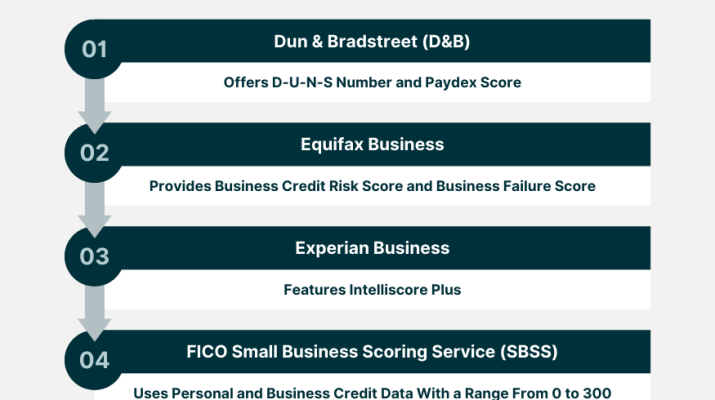
In a world where businesses are continuously striving for growth, the foundation built through solid **business credit** becomes indispensable. Not only does it offer a clearer pathway for securing loans, but it also enhances suppliers’ and lenders’ confidence in an enterprise’s financial health. By consistently managing debts and ensuring timely payments, businesses can create a strong credit profile that reflects their reliability. Additionally, establishing relationships with credit bureaus through registrations and reporting can expedite credit visibility, making it easier for companies to access necessary capital when opportunities arise. This proactiveness in acknowledging the importance of business credit fosters a sustainable financial environment conducive to growth.
As businesses aim for expansion, understanding the comprehensive landscape of **capital access** becomes crucial. Accessing funds can be realized through traditional routes like bank loans or innovative methods such as **crowdfunding** and **peer-to-peer lending**. These alternate options are especially viable for startups, which may lack extensive credit histories yet possess robust business ideas. Engaging in a thorough analysis of funding options, supported by the guidance of financial professionals or small business networks, can help entrepreneurs make informed decisions about which financial resources align best with their strategic growth plans.
The advent of **innovative financing options** has transformed how businesses approach capital acquisition. Platforms that facilitate peer-to-peer lending allow businesses to bypass some traditional barriers imposed by banks, often resulting in more favorable terms. Similarly, crowdfunding enables entrepreneurs to tap into community support directly, safeguarding ownership while raising funds. Alongside these advancements, **fintech solutions** streamline borrowing processes, alleviating common issues of time and complexity associated with traditional lending. Staying abreast of such innovations not only informs businesses of available resources but also opens avenues for strategic financial partnerships.
A key aspect of leveraging business credit and capital is enhancing **financial literacy** among entrepreneurs. Understanding the intricacies of credit can empower business owners to use resources more effectively, manage cash flow, and navigate the complexities of small business financing. Initiatives provided by organizations like the **SBA** strive to elevate financial education, equipping entrepreneurs with essential tools to optimize their credit utilization. This educational push encourages better financial decision-making, which is critical for sustainable growth and overcoming the challenges presented in accessing business funding.
Despite the resources available, many businesses encounter hurdles when attempting to secure necessary credit. Factors like stringent requirements and a lack of collateral can be daunting for small enterprises. Tailored efforts from policymakers to simplify credit models and foster entrepreneurship by improving documentation practices can mitigate these access barriers. By providing clear guidelines and support, the financial sector helps pave the way for a stronger and more inclusive credit environment, ultimately enhancing the overall growth potential for small and medium-sized enterprises.
In conclusion, the pivotal relationship between **business credit** and **capital access** reflects the essence of entrepreneurial growth in the contemporary economy. By investing in a robust credit profile, exploring innovative funding avenues, and enhancing financial literacy, businesses can position themselves for sustainable success. Addressing the challenges associated with funding access further enables entrepreneurs to unlock the full potential of available resources, driving their growth trajectories forward. As businesses navigate these complexities, the pursuit of knowledge about credit and capital remains a vital strategy for achieving long-term success.
