
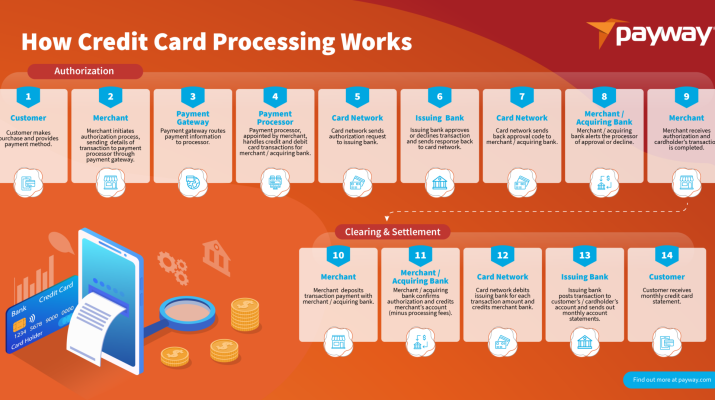
Credit card processing has become a cornerstone of modern commerce, enabling businesses to accept credit cards with ease and flexibility. In our fast-paced world, customers expect the convenience of credit card payments, which can significantly enhance sales and customer satisfaction. By understanding credit card processing, you can establish a solid foundation for your merchant account, ensuring seamless transactions with a reliable payment processor. Additionally, integrating a robust POS system can streamline your operations while effectively managing transaction fees. Embracing the latest in credit card processing technology not only positions your business for success but also meets the evolving needs of today’s consumers.
When it comes to payment acceptance, the concept often revolves around credit card transactions, encapsulating everything from electronic payment gateways to financial service providers. The ability to facilitate seamless transactions through a designated merchant account is essential for any business looking to thrive in today’s marketplace. With an adept payment processor at the helm, managing sales becomes much more efficient, especially when coupled with a modern POS system. Recognizing the importance of minimizing transaction fees will further enhance your profitability as you cater to a diverse clientele. By leveraging these elements effectively, businesses can fully embrace the future of payment solutions and customer convenience.
Applying for a merchant account is a straightforward process that can greatly enhance your business’s ability to accept credit card and electronic payments. To begin, you’ll need to gather essential information such as your business license, tax identification number, and banking information. It is important to choose a reputable payment processor that aligns with your business model, as fees and services can vary significantly. Once you have identified a provider, you can typically fill out an online application form or reach out to their sales department for assistance. Make sure to provide accurate answers and documents as this will facilitate a faster approval process.
After submitting your application, the payment processor will review your information, which may involve checking your credit history and the financial history of your business. In some cases, additional documentation might be required to verify your identity or business operations. Once approved, you will receive your merchant account details, including instructions on how to set up your payment processing system. It’s advisable to familiarize yourself with the different tools and resources available from your payment processor to maximize the benefits of your merchant account. For detailed guidance and support throughout the application process, you can visit [MerchantAccountGuide.com](https://www.merchantaccountguide.com) where you can find insights and tips tailored to your specific needs.
The Importance of Accepting Credit Cards for Your Business
In the digital age, the ability to accept credit cards is integral to a successful business strategy. Customers today expect seamless transactions, and businesses without credit card processing capabilities might miss out on substantial sales opportunities. Accepting credit cards not only caters to consumer preferences but also builds trust and credibility in the marketplace. Furthermore, businesses that embrace credit card payments often see an increase in average transaction sizes, as customers are likely to spend more when using cards instead of cash.
Additionally, accepting credit cards can enhance the overall customer experience. Consumers appreciate the convenience and flexibility that credit cards offer, especially in environments where cash may not be preferred. This acceptance is particularly crucial for small businesses or startups trying to establish themselves. By implementing credit card facilities, they can level the playing field with larger competitors and attract more customers who prefer cashless transactions.
Navigating Transaction Fees in Credit Card Processing
Transaction fees are a significant consideration when setting up credit card processing for your business. Depending on your payment processor, these fees can vary widely, ranging from 1.5% to 3.5% per transaction. Understanding these costs upfront is critical as they can impact your bottom line. Some businesses may choose processors with lower fees, while others might prioritize superior customer service or faster processing speeds.
It’s not just the transaction fees you need to consider; hidden costs may also arise from service fees or additional charges for maintaining a merchant account. By comparing different providers, you can identify the most cost-effective options that align with your business needs. A comprehensive understanding of fees will help ensure that your credit card processing setup is not only efficient but also financially sustainable in the long run.
Selecting the Right Payment Processor for Your Business
Choosing the right payment processor is a critical step in ensuring your business can effectively accept credit cards. A good processor should not only facilitate smooth transactions but also provide transparent fee structures, outstanding customer support, and the ability to integrate with your existing POS system. Not all processors cater to every business model, so identifying one that specializes in your industry can lead to better service and lower transaction costs.
Moreover, many payment processors offer added features, such as fraud detection and analytic tools, which can enhance your overall business operations. It’s essential to evaluate your options carefully and consider not only the costs but also the additional benefits that can help streamline operations and improve customer satisfaction. Ultimately, a well-chosen payment processor can boost your efficiency and help position your business for growth.
Enhancing Customer Experience with a Robust POS System
A robust Point of Sale (POS) system is crucial for businesses that wish to accept credit cards efficiently. This system acts as a central hub for processing transactions, managing inventory, and analyzing sales data. When selecting a POS system, it’s important to ensure it is compatible with the payment processors you plan to use. This compatibility can significantly streamline operations and reduce errors during transactions, giving your customers a smooth and pleasant buying experience.
In addition to transaction processing, modern POS systems offer a host of features that can enhance customer engagement. These include loyalty programs, real-time sales tracking, and integrated payment solutions that support multiple payment methods, such as mobile wallets and contactless cards. Investing in an advanced POS system not only simplifies your payment processing but also empowers your business to deliver exceptional customer service and adapt to evolving consumer preferences.
| Key Component | Description |
|---|---|
| Merchant Account | A specialized account that enables businesses to process credit card payments. |
| Payment Processor | A service that facilitates communication between the business bank and credit card companies. |
| Point of Sale (POS) System | System for processing sales transactions. |
| Transaction Fees | Fees can range from 1.5% to 3.5% per transaction. |
| Compliance | Adhering to the PCI DSS to ensure secure credit card processing. |
| Emerging Trends | Trends like contactless payments and mobile payments enhance customer convenience. |
Summary
Credit card processing is an essential aspect of modern business operations, enabling companies to meet customer expectations for convenience and security. In the rapidly evolving landscape of digital finance, setting up a reliable system for accepting credit cards is not just beneficial, but necessary. The integration of various components such as merchant accounts, payment processors, and point-of-sale systems streamlines the transaction process, enhancing customer satisfaction and ultimately driving sales. By staying informed about compliance requirements and emerging payment trends, businesses can create a flexible, secure, and efficient approach to accepting credit card payments. This proactive strategy not only broadens market access but also propels your business toward greater success.
Frequently Asked Questions
What do I need to set up a merchant account for credit card processing?
To set up a merchant account for credit card processing, you’ll need to choose a payment processor, provide your business information, banking details, and possibly undergo a credit check. This account enables you to accept credit cards and is essential for processing transactions securely.
How do transaction fees affect my credit card processing?
Transaction fees are the costs incurred each time a customer pays using a credit card. These fees typically range from 1.5% to 3.5% per transaction. Understanding your payment processor’s fee structure can help you estimate costs and keep your profit margins in check.
What is a POS system and how is it used in credit card processing?
A POS system, or Point of Sale system, is either a physical terminal or software application that manages sales transactions. In credit card processing, it integrates with your payment processor to facilitate seamless processing of card payments at your business’s location or online.
What payment methods should I accept for credit card transactions?
When setting up your business to accept credit cards, consider offering a variety of payment methods, including major credit cards like Visa and Mastercard, as well as digital wallets such as Apple Pay and Google Pay. This can enhance convenience for customers and potentially boost your sales.
When a business decides to accept credit cards as a form of payment, the first step is to set up a merchant account. This account is essential for processing card payments and must be established through a financial institution or a specialized third-party provider. A merchant account acts as an intermediary that allows businesses to accept and manage electronic payments, ensuring that transactions flow smoothly from the customer’s card to the merchant’s bank.
To facilitate transactions, businesses typically need a payment processor, which is a service that handles the communication between the merchant’s bank and the customer’s credit card network. The payment processor ensures the secure transfer of transaction details and verifies the customer’s account balance, making it an integral part of the payment acceptance ecosystem. Without a reliable payment processor, businesses may face delays and potential loss of sales.
A point-of-sale (POS) system is another critical component for businesses accepting credit cards. This technology includes hardware and software that manage sales transactions in-store. Modern POS systems not only process credit card payments but can also integrate inventory management and customer relationship tools. This streamlining enhances the efficiency of the checkout process, making it easier for businesses to provide excellent customer service while accurately managing their sales data.
When businesses accept credit card payments, it’s important to be aware of transaction fees that accompany this service. These fees can include charges levied by the payment processor as well as interchange fees set by credit card networks. Depending on the provider, these fees can vary widely and impact a business’s overall profitability. Therefore, understanding and comparing the costs associated with different payment processors and merchant accounts is crucial for any business looking to maintain healthy margins while providing flexible payment options for customers.
In today’s competitive marketplace, the ability to accept credit cards has transformed from being a nice-to-have feature to an essential component for business success. Customers increasingly prefer the convenience of credit card payments over cash, making it vital for businesses of all sizes to implement a robust payment processing system. Establishing a seamless credit card acceptance mechanism not only meets consumer expectations but also streamlines transactions, potentially increasing overall sales volume. Businesses without credit card processing capabilities risk losing sales to competitors who offer this essential payment method.
Setting up to accept credit cards involves navigating a series of interconnected components, each with its own role in ensuring smooth payment processing. At the core is the **merchant account**, a specialized bank account designated for handling credit card transactions. This account serves as the bridge between your business bank account and the credit card networks, facilitating the transfer of funds from consumers to your business. Coupled with a reliable **payment processor**, which handles the communication and transaction validation with credit card issuers, these elements ensure that payments are accepted securely and efficiently.
Selecting the right **payment processor** is crucial, as it impacts your business’s cost structure and transaction flow. Differences in transaction fees, account maintenance fees, and the level of customer service provided can vary significantly across providers. Furthermore, integrating a robust **Point of Sale (POS) system** is equally important. This system, whether traditional or digital, should not only support credit card transactions but also provide a user-friendly experience for both staff and customers. It plays a vital role in inventory management and sales tracking, making it an indispensable tool in the overall operational strategy of a retail business.
Before finalizing your setup, it’s essential to conduct multiple test transactions. This crucial step will help you identify any potential issues in processing and ensure that your system works flawlessly under real-world conditions. Test transactions provide an opportunity to familiarize yourself and your staff with the POS interface, ensuring a smooth operation during peak business hours. Moreover, understanding the nuances of transaction fees and establishing a clear budget for these operational costs can prevent surprises that could affect your bottom line.
As technology continues to advance, businesses should stay attuned to emerging trends in payment processing. Acceptance of **contactless payments** is on the rise, offering customers faster and safer ways to complete their purchases—an aspect that has grown particularly important in a post-pandemic landscape. Moreover, providing options for **mobile payments** can cater to increasingly tech-savvy consumers who seek efficiency and convenience in their purchasing experiences. Embracing these trends can not only enhance customer satisfaction but also position your business as a leader in innovation within your industry.
